

How To Evict A Tenant In South Africa

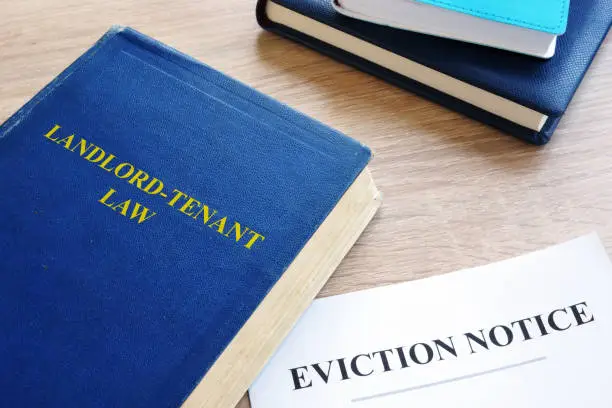
Evicting a tenant in South Africa is a legal process that must be handled carefully and lawfully. South African law strongly protects the right to housing, which means landlords are not allowed to remove tenants without following the correct legal procedures. Even when a tenant has failed to pay rent, damaged the property, or breached the lease agreement, eviction can only happen through a court order. Understanding the correct process helps landlords avoid legal trouble and ensures that evictions are fair, lawful, and enforceable. This article explains how to evict a tenant in South Africa in a clear and practical way.
- Understand the Law Governing Evictions
Evictions in South Africa are mainly regulated by the Prevention of Illegal Eviction from and Unlawful Occupation of Land Act, commonly known as the PIE Act.
- Protects tenants and unlawful occupiers from illegal eviction
- Requires a court order before eviction
- Applies to residential properties
- Focuses on fairness and justice
No tenant may be evicted without a legal process, even if they stop paying rent.
- Confirm That the Lease Has Been Lawfully Cancelled
Before eviction can begin, the lease agreement must be cancelled.
- Check the lease terms for breach clauses
- Issue a written notice of breach
- Allow the tenant time to fix the problem
- Cancel the lease in writing if the breach continues
Common breaches include non-payment of rent or using the property unlawfully.
- Issue a Formal Notice to Vacate
Once the lease is cancelled, the tenant must be asked to leave the property.
- Send a written notice to vacate
- Clearly state the date by which the tenant must leave
- Keep proof that the notice was delivered
- Allow reasonable time for relocation
If the tenant refuses to leave, they become an unlawful occupier.
- Avoid Illegal Eviction Methods
Landlords must never take the law into their own hands.
- Do not change locks
- Do not disconnect water or electricity
- Do not remove doors or windows
- Do not threaten or intimidate tenants
Illegal eviction can result in fines, damages, or criminal charges.
- Apply for an Eviction Order Through the Court
If the tenant does not leave voluntarily, court action is required.
- Approach the Magistrate’s Court or High Court
- File an eviction application
- Attach the lease agreement and notices
- State the reasons for eviction
The court will review whether the eviction is fair and lawful.
- Serve a PIE Act Notice to the Tenant and Municipality
The PIE Act requires formal notice before eviction.
- The notice must be served at least 14 days before the hearing
- The tenant must receive the notice
- The local municipality must also be notified
- The notice explains the eviction case and hearing date
This step ensures transparency and fairness.
- Attend the Court Hearing
Both landlord and tenant may present their case.
- Explain the reasons for eviction
- Provide evidence of lease breach
- Show proof of notices given
- Answer questions from the magistrate or judge
The court considers the rights of both parties.
- Understand Factors the Court Will Consider
Courts do not grant evictions automatically.
- Length of occupation
- Availability of alternative accommodation
- Presence of children, elderly, or disabled persons
- Conduct of both landlord and tenant
The court aims to balance property rights and housing rights.
- Receive the Eviction Order
If the court approves the eviction.
- A written eviction order is issued
- The order states a date to vacate
- Conditions may be attached
- The sheriff is authorized to enforce it
Only the sheriff may carry out the eviction.
- Use the Sheriff to Enforce the Eviction
Eviction must be carried out legally.
- The sheriff serves the eviction order
- The sheriff oversees removal if needed
- Law enforcement may assist
- The landlord must not be present during forceful eviction
This ensures safety and legality.
- Handle Tenant Property Correctly
Tenant belongings must be treated carefully.
- Do not dispose of items immediately
- Follow the sheriff’s instructions
- Allow tenants to collect possessions
- Store items if required by court
Improper handling can lead to legal claims.
- Consider Mediation Before Eviction
Eviction is costly and time-consuming.
- Try negotiation or mediation
- Offer payment plans
- Agree on a voluntary move-out date
- Reduce legal costs and stress
Mediation often benefits both parties.
- Seek Legal Advice When Necessary
Eviction law can be complex.
- Consult a property attorney
- Use legal aid services if needed
- Get help from rental housing tribunals
- Ensure compliance with all legal steps
Professional advice reduces mistakes.
- Prevent Future Eviction Issues
Good management reduces disputes.
- Screen tenants carefully
- Use clear lease agreements
- Communicate regularly
- Address problems early
Also Read: How To Edit A PDF Document On Phone