

How To Fix An Asymmetrical Face

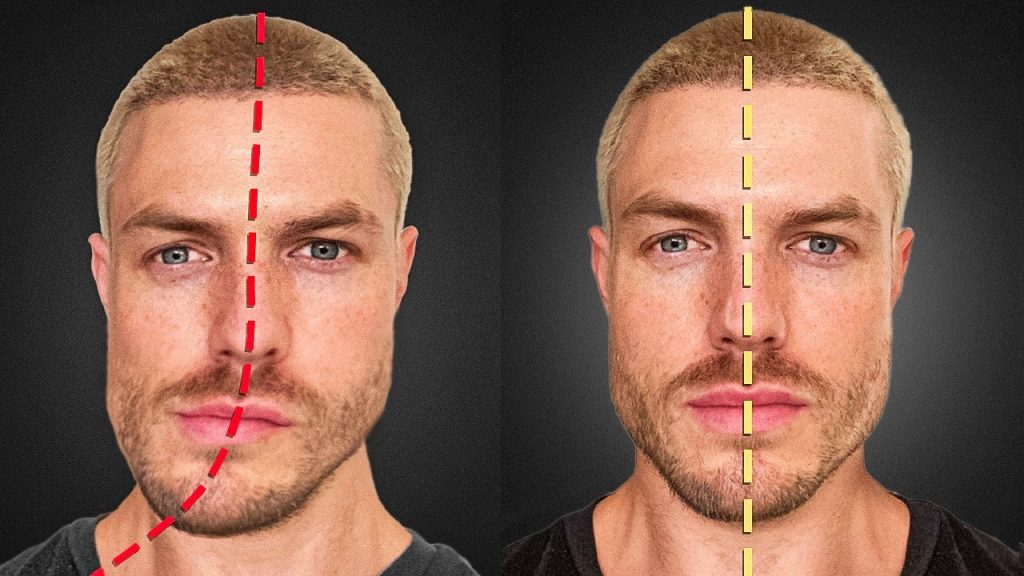
Facial asymmetry is a common concern where one side of the face looks different from the other. This may show in the eyes, eyebrows, cheeks, jawline, lips, or overall face shape. It is important to understand that perfect facial symmetry is rare, and slight asymmetry is completely normal. However, noticeable asymmetry can sometimes affect confidence and may be caused by habits, muscle imbalance, dental issues, posture, or underlying medical factors. The good news is that facial asymmetry can often be improved through a combination of lifestyle changes, exercises, professional treatments, and self-care. This guide explains how to fix an asymmetrical face in a practical and easy-to-follow way.
- Understand What Facial Asymmetry Is
Knowing what you are dealing with helps set realistic expectations.
- One side of the face appears higher, larger, or more defined
- Features may not align evenly
- Asymmetry can be mild or noticeable
- Most faces have some level of imbalance
Understanding normal versus severe asymmetry is important.
- Identify Common Causes of Facial Asymmetry
Facial imbalance can develop for several reasons.
- Genetics and natural bone structure
- Sleeping on one side consistently
- Poor posture affecting neck and jaw alignment
- Teeth grinding or jaw clenching
- Dental misalignment or bite problems
- Muscle weakness or overuse on one side
Knowing the cause helps guide the right solution.
- Check Your Sleeping Position
Sleep habits can influence facial balance over time.
- Avoid sleeping on one side every night
- Try sleeping on your back when possible
- Use a supportive pillow
- Keep your head and neck aligned
Balanced sleep positions reduce uneven pressure on the face.
- Improve Posture and Head Alignment
Posture affects facial muscles and jaw position.
- Keep your head centered over your shoulders
- Avoid slouching when sitting or standing
- Limit prolonged phone or screen bending
- Stretch your neck regularly
Better posture supports facial symmetry.
- Practice Facial Exercises
Facial exercises may help strengthen weaker muscles.
- Smile evenly and hold for a few seconds
- Puff cheeks and move air side to side
- Raise both eyebrows together
- Practice controlled facial movements
Consistency is key for visible improvement.
- Massage the Face Regularly
Massage improves circulation and muscle balance.
- Use gentle upward motions
- Focus on tighter or weaker areas
- Massage jaw, cheeks, and temples
- Use fingers or a facial roller
Massage helps relax tense muscles and promote balance.
- Address Jaw and Bite Issues
Jaw alignment plays a major role.
- Uneven bite can affect face shape
- Teeth grinding worsens asymmetry
- Jaw tension pulls facial muscles
- Dental evaluation may be necessary
Correcting bite problems improves facial harmony.
- Consider Orthodontic Treatment
Teeth alignment affects facial structure.
- Braces or aligners can balance the jaw
- Improve smile symmetry
- Reduce uneven muscle strain
- Support long-term facial balance
Orthodontic care benefits both function and appearance.
- Be Mindful of Daily Habits
Small habits add up over time.
- Avoid chewing on one side only
- Do not rest your face on your hand
- Switch sides when carrying bags
- Be aware of facial tension
Balanced habits reduce muscle imbalance.
- Manage Stress and Facial Tension
Stress affects facial muscles.
- Stress causes jaw clenching
- Leads to muscle imbalance
- Relaxation reduces tension
- Practice breathing exercises
Relaxed muscles appear more balanced.
- Improve Skin and Muscle Health
Healthy skin enhances symmetry appearance.
- Stay hydrated
- Eat a balanced diet
- Get enough sleep
- Maintain proper skincare
Healthy skin improves overall facial harmony.
- Use Makeup and Grooming Techniques
Cosmetic techniques offer quick visual balance.
- Shape eyebrows evenly
- Contour to balance facial features
- Adjust hairstyles to frame the face
- Highlight symmetrical areas
Makeup can enhance perceived symmetry.
- Explore Non-Surgical Cosmetic Treatments
Some treatments offer temporary improvement.
- Dermal fillers can balance volume
- Botox may relax overactive muscles
- Treatments must be done professionally
- Results vary by individual
Professional guidance is essential.
- Understand Surgical Options
Surgery is for severe cases only.
- Facial asymmetry from bone structure
- Corrective jaw or facial surgery
- Requires thorough evaluation
- Involves recovery time
Surgery is usually a last resort.
- Set Realistic Expectations
Perfection is not necessary.
- Small improvements make a big difference
- Natural faces are rarely identical
- Focus on balance, not perfection
- Confidence matters more than symmetry
Accepting natural features improves self-image.
- Know When to See a Professional
Professional advice may be needed.
- Sudden facial asymmetry
- Pain or numbness
- Difficulty chewing or speaking
- Worsening imbalance
Medical evaluation ensures safety.
- Be Consistent and Patient
Results take time.
- Exercises require regular practice
- Habit changes show gradual results
- Professional treatments take follow-up
- Consistency leads to improvement
Patience is essential for success.
- Final Tips for Fixing an Asymmetrical Face
Keep these points in mind.
- Identify the root cause
- Improve posture and habits
- Use exercises and massage regularly
- Seek professional help when needed
Also Read: How To Edit Videos On Your Phone