

How to Gain Healthy Weight During Pregnancy

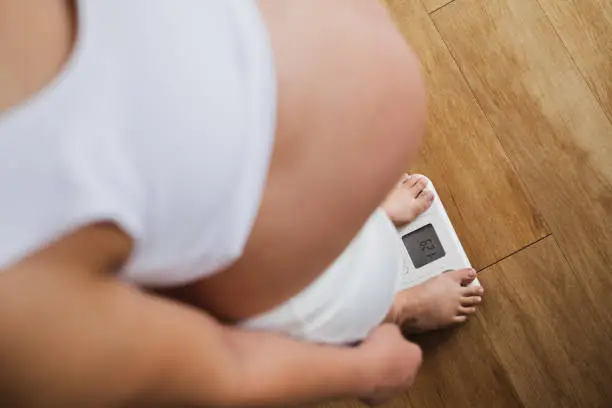
Learning how to gain healthy weight during pregnancy is important for supporting your baby’s growth and maintaining your own health. Pregnancy brings physical changes that increase your body’s nutritional needs, but gaining weight too quickly or too slowly can create health concerns. The right amount of weight gain depends on your weight before pregnancy, your height, whether you are carrying one baby or multiples, and your overall health. By eating balanced meals, choosing nutritious snacks, staying physically active when appropriate, and attending antenatal appointments, you can support a healthy pregnancy.
-
Eat Balanced and Nutritious Meals
A balanced diet provides the nutrients needed for your baby’s development and your changing body. Include a variety of foods from different food groups in your daily meals.
- Eat protein-rich foods such as eggs, beans, lentils, fish with low mercury levels, and thoroughly cooked meat.
- Include carbohydrates such as whole grains, potatoes, rice, and whole-grain bread.
- Eat fruits and vegetables to obtain vitamins, minerals, and fibre.
- Include calcium-rich foods such as milk, yoghurt, and pasteurised cheese.
- Add healthy fats from foods such as avocados, nuts, seeds, and vegetable oils.
Eating a variety of nutritious foods is more beneficial than relying on sugary drinks or highly processed snacks to increase weight.
-
Eat Regular Meals and Healthy Snacks
If you feel full quickly or experience nausea, eating smaller meals more frequently may help you meet your nutritional needs.
Try eating three balanced meals with healthy snacks between meals. Suitable options include yoghurt with fruit, peanut butter on whole-grain bread, boiled eggs, avocado, or a handful of unsalted nuts.
Choose snacks that provide protein, healthy fats, vitamins, and minerals. If you have difficulty eating enough because of persistent nausea or vomiting, consult your healthcare provider.
-
Increase Your Food Intake According to Your Needs
Pregnancy does not automatically mean you need to eat twice as much. Your energy requirements change as pregnancy progresses.
Generally, additional calories are not routinely needed during the first trimester. During the second and third trimesters, many pregnant women need approximately 340 and 450 additional calories per day, respectively, although individual needs vary.
Choose nutrient-dense foods rather than forcing yourself to eat large portions. Your antenatal provider can help you determine an appropriate eating plan based on your nutritional needs and weight-gain progress.
-
Include Protein and Healthy Fats
Protein supports your baby’s growth and the development of body tissues. Healthy fats provide energy and help support the development of your baby’s brain and nervous system.
Include foods such as beans, peas, eggs, well-cooked meat, safe fish, nuts, seeds, and avocado in your meals. You can add milk or yoghurt to snacks and include a little healthy oil when preparing food.
Avoid using weight-gain supplements or herbal products during pregnancy unless your healthcare provider specifically recommends them.
-
Stay Hydrated and Exercise Safely
Drink water regularly throughout the day to support digestion, circulation, and overall health. Water is particularly important when you are experiencing vomiting or spending time in hot weather.
If your pregnancy is uncomplicated, gentle activities such as walking, swimming, or pregnancy-approved exercises can support your health. Follow your healthcare provider’s advice if you have complications or have been told to limit physical activity.
Exercise should support your well-being, not be used to prevent necessary pregnancy weight gain.
-
Monitor Your Weight During Antenatal Visits
Your recommended weight gain depends partly on your pre-pregnancy body mass index (BMI). For a pregnancy involving one baby, commonly used guidelines recommend a total gain of approximately 12.5–18 kg for women who were underweight before pregnancy, 11.5–16 kg for those in the normal BMI range, 7–11.5 kg for those who were overweight, and 5–9 kg for those with obesity.
These are general guidelines, not individual targets. Your healthcare provider can assess your progress and advise you on any adjustments needed.
Contact your provider if you are losing weight, cannot keep food or fluids down, or have concerns about your baby’s growth. Sudden weight gain accompanied by severe headache, vision changes, or swelling of the face or hands needs urgent medical assessment.
Also Read: How to Attract Your Crush

