

How To Get Rid Of Cat Pee Smell In The House

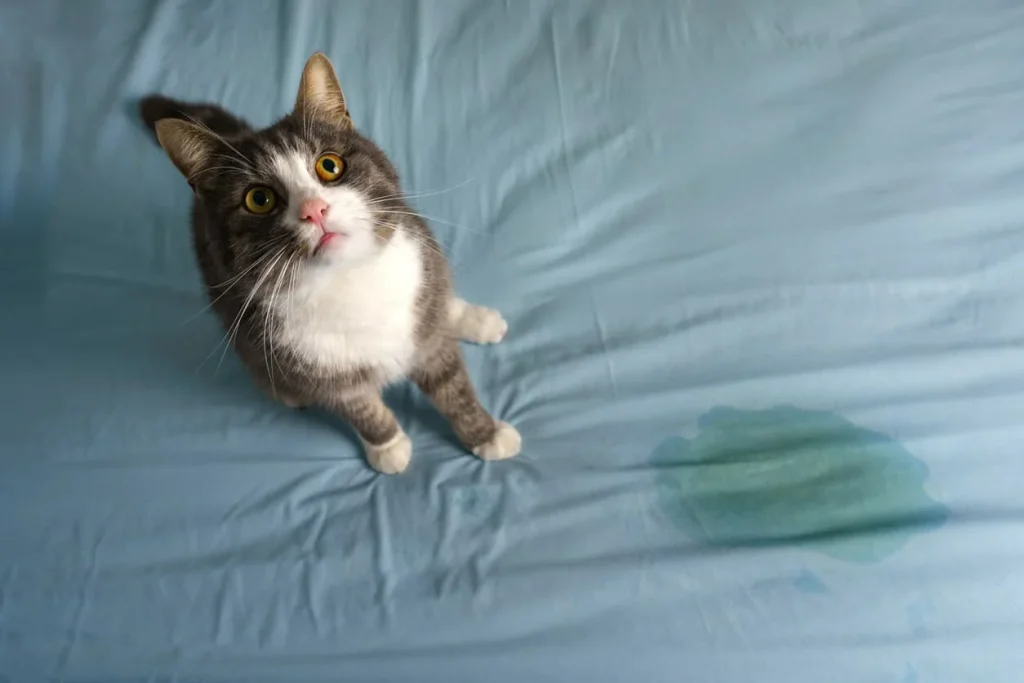
Cat urine smell in the house can be extremely strong, unpleasant, and difficult to remove if not treated properly. Cat urine contains uric acid crystals that cling to surfaces and release odor repeatedly, especially in warm or humid conditions. Whether the smell comes from carpets, furniture, walls, or floors, removing it requires the right approach and consistency. This article explains how to get rid of cat pee smell in the house effectively and prevent it from returning.
- Understand Why Cat Urine Smell Is So Strong
Knowing the cause helps with proper treatment.
- Contains uric acid crystals
- Crystals reactivate with moisture
- Ordinary cleaners do not break them down
- Odor can return if not treated correctly
This is why proper cleaning methods are essential.
- Find the Exact Source of the Smell
Odor removal starts with detection.
- Use your nose to trace the smell
- Check carpets, rugs, and corners
- Inspect furniture and curtains
- Use a UV or black light if available
Treating the wrong area allows odor to persist.
- Clean Fresh Cat Urine Immediately
Fresh urine is easier to remove.
- Blot with paper towels
- Do not rub the area
- Absorb as much liquid as possible
- Clean as soon as possible
Quick action prevents deep penetration.
- Use Enzymatic Cleaners
Enzymatic cleaners are most effective.
- Break down uric acid crystals
- Eliminate odor at the source
- Safe for most surfaces
- Available in pet stores
Always follow product instructions carefully.
- Treat Carpets and Rugs Thoroughly
Carpets absorb urine deeply.
- Apply enzymatic cleaner generously
- Allow it to soak through padding
- Cover area and let it air-dry
- Repeat if odor remains
Shallow cleaning will not remove the smell.
- Clean Hard Floors Properly
Hard floors can trap urine in seams.
- Use enzyme-based cleaners
- Clean grout and cracks
- Avoid ammonia-based products
- Dry the area completely
Ammonia smells like urine and attracts repeat marking.
- Remove Odor From Furniture and Upholstery
Soft furniture holds smells easily.
- Blot excess urine immediately
- Apply enzymatic cleaner
- Allow deep penetration
- Let furniture dry fully
Steam cleaning alone is not effective.
- Wash Fabrics and Curtains
Fabrics trap odor strongly.
- Wash in warm or hot water
- Add enzyme detergent if available
- Air-dry and smell-check
- Repeat washing if needed
Drying before odor removal can set the smell.
- Use Baking Soda for Odor Absorption
Baking soda helps neutralize smells.
- Sprinkle generously over dried area
- Leave overnight
- Vacuum thoroughly
- Repeat if necessary
It works best as a follow-up treatment.
- Avoid Using Vinegar Alone
Vinegar has limitations.
- Neutralizes ammonia smell temporarily
- Does not break down uric acid
- Odor may return later
- Can damage some surfaces
Vinegar is not a permanent solution.
- Use Hydrogen Peroxide Carefully
Hydrogen peroxide can help on some surfaces.
- Mix with baking soda and mild detergent
- Test on a hidden area first
- Apply carefully
- Avoid colored fabrics
It can lighten or bleach surfaces.
- Eliminate Odor From Walls and Baseboards
Urine can splash or soak upward.
- Wipe walls and baseboards
- Use enzymatic cleaners
- Repaint with odor-blocking primer if needed
- Seal porous surfaces
Walls are often overlooked odor sources.
- Replace Heavily Soaked Materials
Some damage cannot be cleaned.
- Remove urine-soaked carpet padding
- Replace damaged wood
- Remove contaminated insulation
- Repair subfloor if necessary
Severe cases require material replacement.
- Use Air Circulation and Ventilation
Airflow reduces lingering smells.
- Open windows
- Use fans
- Run air purifiers
- Dehumidify humid spaces
Dry environments prevent odor reactivation.
- Prevent Your Cat From Repeating the Behavior
Prevention stops future odors.
- Clean litter boxes regularly
- Provide enough litter boxes
- Address stress or behavior issues
- Consult a vet if needed
Cats often mark due to medical or emotional reasons.
- Avoid Masking Odors With Air Fresheners
Masking does not solve the problem.
- Odor returns once fragrance fades
- Does not remove urine crystals
- Can irritate pets
- Delays proper treatment
Odor must be eliminated, not hidden.
- Use Odor-Blocking Primers for Severe Cases
Primers seal lingering smells.
- Use after thorough cleaning
- Apply to walls or floors
- Trap remaining odor
- Useful during renovations
This is a last-resort solution.
- Clean the Entire Area, Not Just the Spot
Urine spreads further than expected.
- Clean surrounding areas
- Treat padding and seams
- Inspect nearby furniture
- Check vertical surfaces
Comprehensive cleaning prevents missed odors.
- When to Seek Professional Cleaning Services
Professionals handle stubborn cases.
- Deep carpet contamination
- Strong recurring odor
- Multiple affected areas
- Time or equipment limitations
Professional treatments can save time and money.
Also Read: How To Get My Vodacom PUK Number