

How To Grow A Spekboom Hedge

How To Grow A Spekboom Hedge
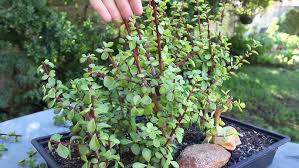
Spekboom is a hardy, water-wise plant native to South Africa, known for its thick, round leaves and ability to absorb carbon dioxide. It makes an excellent hedge due to its fast growth, easy maintenance, and drought resistance. Whether you’re landscaping a garden or creating a natural fence, growing a spekboom hedge is a simple and eco-friendly choice. Here is how to grow a spekboom hedge.
- Choose a Suitable Location
Spekboom thrives in full sun but can tolerate light shade. Select a planting area that receives at least six hours of sunlight a day. The soil should be well-drained, as spekboom doesn’t like sitting in water. Sandy or rocky soils are ideal, though it can also grow in clay with proper drainage. - Collect or Buy Cuttings
Spekboom is easily propagated from cuttings. You can take stem cuttings from an established plant, ideally around 10 to 20 cm long. Use clean garden shears and cut just below a leaf node. Let the cuttings dry for a day or two in a shaded spot to allow the ends to callous over, which helps prevent rotting when planted. - Prepare the Soil
Loosen the soil along the area where you want your hedge to grow. Remove weeds and mix in compost or well-rotted manure to improve fertility. If planting in heavy clay, consider adding sand or gravel to improve drainage. - Plant the Cuttings
Space the cuttings about 20 to 30 cm apart in a straight line. Insert each cutting a few centimeters deep into the soil. Press the soil gently around the base to hold them in place. Water the area lightly after planting. - Water Sparingly
For the first few weeks, water every few days to help the cuttings establish roots. Once new growth appears, reduce watering. Spekboom is drought-tolerant and needs only occasional watering once established. - Maintain and Shape the Hedge
To form a neat hedge, prune the plants once they are well established. You can begin shaping after a few months, trimming the tops and sides to encourage bushy growth. Pruning also promotes thicker coverage and a tidy appearance. - Protect and Mulch
Mulch around the base of the plants to retain moisture and suppress weeds. In areas with strong winds or foot traffic, use small stakes or barriers to protect the young cuttings until they are well rooted.
Also Read: How To Fix A Chipped Tooth

