

How to Grow an Apricot Tree from a Seed

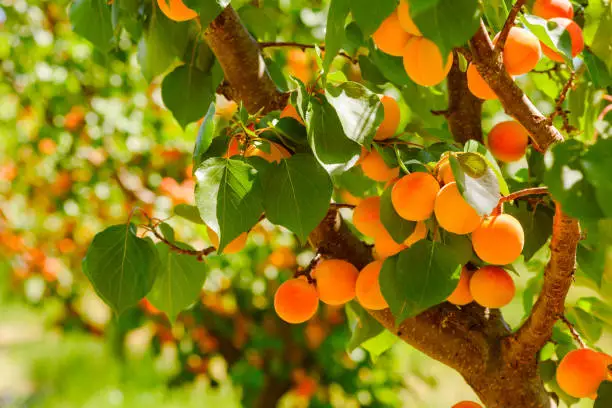
Learning how to grow an apricot tree from a seed is a rewarding experience for gardeners who enjoy nurturing plants from the very beginning. While many people choose to buy young trees from nurseries, growing an apricot tree from seed allows you to observe the entire growth cycle and develop a deeper connection with the plant. Although seed-grown apricot trees may take longer to bear fruit and may not produce fruit identical to the parent tree, they can still grow into healthy, productive trees when given proper care.
This article explains how to grow an apricot tree from a seed at home, covering seed preparation, planting, care, and long-term maintenance.
-
Understand Apricot Tree Growth from Seed
Before planting, it is important to understand what to expect when growing an apricot tree from seed. Apricot seeds need specific conditions to germinate, and the process requires patience.
Important points to know include:
- Apricot seeds require a cold period to sprout
- Germination can take several weeks or months
- Seed-grown trees may take several years to produce fruit
- Climate and care greatly influence growth success
Understanding these factors helps you prepare properly and avoid frustration.
-
Choose and Prepare the Apricot Seed
Successful growth begins with a healthy seed. The best seeds come from fresh, ripe apricots.
To prepare the seed:
- Select fully ripe apricots with no signs of disease
- Remove the pit and clean off all fruit residue
- Allow the pit to dry for a few days
- Carefully crack the hard shell to remove the inner seed, if desired
Removing the inner seed can speed up germination, but it must be done gently to avoid damage.
-
Stratify the Apricot Seed
Apricot seeds need cold stratification to mimic winter conditions and trigger germination.
Common stratification methods include:
- Wrapping the seed in a damp paper towel
- Placing it inside a sealed plastic bag
- Storing it in the refrigerator for several weeks
Check the seed occasionally to ensure it stays moist but not moldy. After stratification, the seed may begin to sprout.
-
Plant the Apricot Seed Properly
Once the seed shows signs of sprouting or completes the cold period, it is ready to be planted.
Planting tips include:
- Using well-draining soil or potting mix
- Planting the seed about one to two inches deep
- Watering lightly after planting
- Keeping the soil consistently moist
Seeds can be planted in pots first or directly in the ground, depending on your climate.
-
Provide the Right Growing Conditions
Apricot trees thrive when grown in suitable conditions. Young seedlings are especially sensitive and need careful attention.
Ideal growing conditions include:
- Full sunlight for at least six hours daily
- Well-drained soil to prevent root rot
- Protection from strong winds
- Moderate watering without waterlogging
Healthy growing conditions encourage strong root and stem development.
-
Care for the Apricot Seedling
Once the seedling emerges, proper care is essential for steady growth.
Seedling care practices include:
- Watering regularly, especially during dry periods
- Avoiding overwatering
- Applying mulch to retain moisture
- Protecting the young plant from pests and extreme weather
Gentle care during early growth helps establish a strong tree.
-
Transplant the Young Apricot Tree
If you start the tree in a pot, transplanting it into the ground becomes necessary as it grows.
Transplanting tips include:
- Choosing a sunny, well-drained location
- Digging a hole larger than the root ball
- Placing the tree at the same depth it grew in the pot
- Watering thoroughly after transplanting
Proper transplanting reduces stress and supports healthy growth.
-
Maintain and Prune the Tree Over Time
Long-term care plays a major role in the success of your apricot tree.
Ongoing maintenance includes:
- Pruning to shape the tree and remove weak branches
- Fertilizing lightly once the tree is established
- Monitoring for pests and diseases
- Watering deeply during dry seasons
With consistent care, the tree will mature and eventually produce fruit.
Also Read: How To Get Views On YouTube

