

How to Grow Hydrangeas from Cuttings Successfully

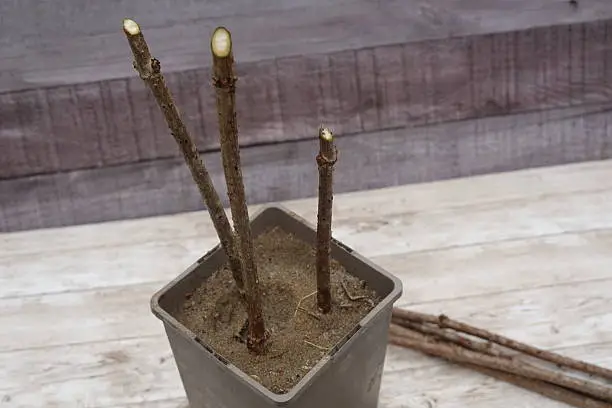
Learning how to grow hydrangeas from cuttings is one of the easiest and most reliable ways to propagate these beautiful flowering shrubs. Hydrangeas are loved for their large, colorful blooms and lush foliage, and growing them from cuttings allows you to create new plants that are genetically identical to the parent plant. This method is cost-effective, rewarding, and ideal for gardeners who want to expand their garden without purchasing new plants.
This article explains how to grow hydrangeas from cuttings, covering preparation, planting, care, and transplanting.
-
Hydrangea Propagation from Cuttings
Before taking cuttings, it is important to understand how hydrangeas grow and why cuttings work so well.
Key points include:
- Cuttings grow into plants identical to the parent
- Softwood cuttings root more easily
- Proper moisture and warmth encourage rooting
- Patience is required during early growth
Understanding the process helps you achieve higher success rates.
-
Choose the Right Time to Take Hydrangea Cuttings
Timing plays a major role in successful propagation. Hydrangea cuttings root best when taken during active growth.
The best time to take cuttings is:
- Late spring to early summer
- When stems are soft but not woody
- Before the plant sets buds or flowers
Choosing the right time increases the chances of quick rooting.
-
Select Healthy Stems for Cuttings
Healthy cuttings lead to strong new plants. Always choose stems that show no signs of disease or stress.
When selecting stems:
- Choose green, flexible stems
- Avoid flowering stems
- Look for stems with several leaf nodes
- Ensure the parent plant is healthy
Healthy cuttings root faster and develop better root systems.
-
Prepare the Hydrangea Cuttings Properly
Proper preparation helps the cutting focus energy on root development rather than leaf growth.
Preparation steps include:
- Cutting a stem about four to six inches long
- Making the cut just below a leaf node
- Removing lower leaves
- Keeping a few leaves at the top
- Optionally dipping the cut end in rooting hormone
This preparation reduces moisture loss and promotes rooting.
-
Plant the Cuttings in Suitable Growing Medium
The right growing medium allows roots to develop easily and prevents rot.
Suitable growing media include:
- A mix of potting soil and sand
- Peat moss and perlite
- Coco coir-based mixes
Plant the cutting so at least one node is buried in the soil.
-
Create the Right Environment for Rooting
Hydrangea cuttings need warmth and humidity to root successfully.
Environmental tips include:
- Keeping soil consistently moist but not wet
- Covering the pot with a plastic bag or dome
- Placing the pot in bright, indirect light
- Avoiding direct sunlight
High humidity helps prevent wilting while roots form.
-
Care for Cuttings During Root Development
Rooting usually takes several weeks. During this period, careful monitoring is important.
Care practices include:
- Checking soil moisture regularly
- Ventilating occasionally to prevent mold
- Avoiding fertilizer until roots form
- Watching for signs of new growth
New leaf growth is a sign that roots are developing.
-
Transplant Rooted Hydrangea Cuttings
Once roots are established, the young plant can be transplanted.
Transplanting tips include:
- Gently tugging to confirm root development
- Transplanting into larger pots or garden beds
- Using well-drained, nutrient-rich soil
- Watering thoroughly after transplanting
Gradually expose the plant to outdoor conditions to reduce shock.
-
Maintain Hydrangeas for Healthy Growth
Long-term care ensures your hydrangeas grow strong and produce beautiful blooms.
Maintenance includes:
- Regular watering
- Mulching to retain moisture
- Pruning when appropriate
- Protecting young plants from extreme weather
Consistent care helps the plant mature and flower successfully.
Also Read: How to Grow an Apricot Tree from a Seed