

How to Heal a Torn Rotator Cuff Naturally and Safely

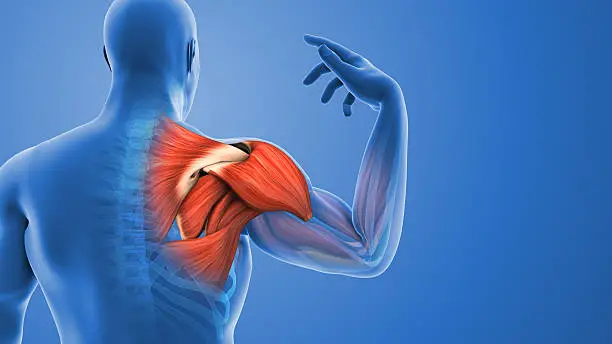
Understanding how to heal a torn rotator cuff naturally is a common concern for people experiencing shoulder pain, weakness, or limited movement. The rotator cuff is a group of muscles and tendons that stabilize the shoulder joint and allow smooth arm movement. When torn, it can significantly affect daily activities such as lifting, reaching, or even sleeping comfortably. While severe tears may require medical treatment, many mild to moderate rotator cuff injuries can improve with natural, supportive care focused on rest, rehabilitation, and healthy lifestyle choices.
This article explains how to heal a torn rotator cuff naturally by supporting the body’s healing process, reducing inflammation, and restoring strength and mobility over time.
-
Nature of a Rotator Cuff Tear
Before beginning natural healing methods, it is important to understand the injury itself. Rotator cuff tears can be partial or complete and may result from injury, overuse, or age-related wear.
Common symptoms include:
- Shoulder pain, especially when lifting the arm
- Weakness in the shoulder
- Limited range of motion
- Pain during sleep, especially when lying on the affected side
Understanding the severity of the tear helps determine whether natural care is appropriate and when professional evaluation is necessary.
-
Rest the Shoulder and Avoid Aggravating Activities
Rest is one of the most important steps in natural healing. Continuing activities that strain the shoulder can worsen the injury.
Rest strategies include:
- Avoiding heavy lifting and overhead movements
- Limiting repetitive shoulder use
- Using the unaffected arm when possible
- Allowing time for inflammation to reduce
Proper rest gives the injured tissues time to begin healing.
-
Apply Cold and Heat Therapy Appropriately
Temperature therapy can help manage pain and inflammation during recovery.
Helpful approaches include:
- Using cold packs to reduce swelling and pain
- Applying ice for short periods several times a day
- Using heat later to relax muscles and improve circulation
- Avoiding excessive heat during acute inflammation
Alternating cold and heat may support comfort and mobility.
-
Perform Gentle Stretching and Range-of-Motion Exercises
Gentle movement prevents stiffness and supports healing, but exercises must be done carefully.
Safe movement practices include:
- Starting with slow, controlled range-of-motion exercises
- Avoiding sharp or painful movements
- Performing stretches consistently but gently
- Gradually increasing movement as pain decreases
Gentle mobility exercises help maintain flexibility without stressing the injury.
-
Strengthen Supporting Muscles Gradually
Once pain has reduced, strengthening exercises help stabilize the shoulder and prevent further injury.
Strengthening tips include:
- Focusing on light resistance exercises
- Strengthening surrounding shoulder and back muscles
- Using resistance bands instead of heavy weights
- Progressing slowly to avoid re-injury
Gradual strengthening improves shoulder stability over time.
-
Support Healing with Proper Nutrition
Nutrition plays an important role in tissue repair and recovery.
Helpful nutritional habits include:
- Eating protein-rich foods to support muscle repair
- Including anti-inflammatory foods
- Consuming fruits and vegetables rich in vitamins
- Staying well hydrated
A balanced diet supports the body’s natural healing ability.
-
Maintain Good Posture and Body Mechanics
Poor posture can place additional strain on the shoulder and delay recovery.
Posture improvement strategies include:
- Keeping shoulders relaxed and aligned
- Avoiding slouching during sitting or standing
- Adjusting workstations to reduce shoulder strain
- Being mindful of shoulder positioning during daily tasks
Good posture reduces unnecessary stress on the rotator cuff.
-
Use Natural Pain-Relief Methods Carefully
Natural pain management can support comfort during recovery.
Supportive methods include:
- Gentle massage around the shoulder area
- Relaxation techniques to reduce muscle tension
- Adequate sleep for tissue repair
- Avoiding overreliance on pain relief methods that mask symptoms
Pain relief should support healing, not encourage overuse.
-
Be Patient and Consistent with Recovery
Healing a rotator cuff tear naturally takes time and consistency.
Important reminders include:
- Avoid rushing back into strenuous activity
- Staying consistent with gentle exercises
- Monitoring symptoms closely
- Seeking professional advice if pain worsens or persists
Patience is essential for safe and lasting recovery.
Also Read: How to Handle Disruptive Behavior in the Classroom Effectively