

How to Heal Piriformis Syndrome Quickly and Safely

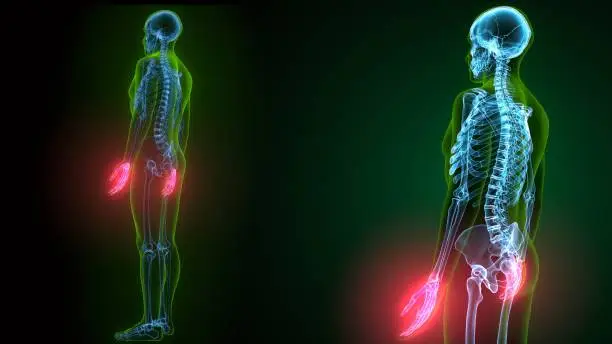
Understanding how to heal piriformis syndrome quickly is important for anyone experiencing deep buttock pain, hip discomfort, or pain that radiates down the leg. Piriformis syndrome occurs when the piriformis muscle, a small muscle located deep in the buttocks, irritates or compresses the sciatic nerve. This condition can make sitting, walking, and daily movement uncomfortable and frustrating. While symptoms may feel severe, piriformis syndrome often responds well to conservative and natural treatment methods when addressed early and consistently.
This article explains how to heal piriformis syndrome quickly by reducing muscle tension, relieving nerve pressure, and restoring healthy movement patterns.
-
Piriformis Syndrome and Its Symptoms
Before starting treatment, it is important to understand what piriformis syndrome is and how it affects the body.
Common symptoms include:
- Deep pain in the buttocks
- Pain that radiates down the back of the leg
- Discomfort when sitting for long periods
- Pain during walking, climbing stairs, or standing up
- Tightness or tenderness in the hip area
Recognizing these symptoms helps guide effective and timely treatment.
-
Rest and Modify Activities That Trigger Pain
Resting the affected muscle is one of the fastest ways to reduce irritation and inflammation.
Helpful rest strategies include:
- Avoiding prolonged sitting
- Limiting activities that worsen pain
- Reducing repetitive hip movements
- Taking frequent breaks to change positions
Activity modification prevents further strain and allows healing to begin.
-
Use Cold and Heat Therapy Correctly
Temperature therapy can provide quick relief from pain and muscle tightness.
Effective use includes:
- Applying ice packs during acute pain
- Using cold therapy for short intervals
- Switching to heat to relax tight muscles
- Avoiding excessive heat during inflammation
Using cold and heat properly can reduce discomfort and improve circulation.
-
Perform Gentle Piriformis Stretches Daily
Stretching the piriformis muscle reduces tension and relieves pressure on the sciatic nerve.
Safe stretching practices include:
- Performing slow and controlled stretches
- Holding stretches without bouncing
- Stretching within a pain-free range
- Practicing daily for consistent results
Gentle stretching improves flexibility and supports faster recovery.
-
Strengthen Supporting Muscles Gradually
Strengthening the surrounding muscles helps stabilize the hips and reduce stress on the piriformis muscle.
Effective strengthening tips include:
- Focusing on glute, hip, and core muscles
- Using bodyweight or light resistance
- Avoiding sudden or intense movements
- Increasing intensity gradually
Strong supporting muscles improve posture and movement mechanics.
-
Improve Posture and Sitting Habits
Poor posture can worsen piriformis syndrome by placing extra pressure on the muscle and nerve.
Posture improvement strategies include:
- Sitting with hips level and supported
- Avoiding crossing legs for long periods
- Using supportive chairs or cushions
- Standing and stretching regularly
Better posture reduces muscle strain and speeds healing.
-
Massage and Muscle Release Techniques
Massage can help relax the piriformis muscle and relieve tightness.
Helpful techniques include:
- Gentle self-massage with hands
- Using a tennis ball or foam roller
- Applying slow and controlled pressure
- Avoiding painful or aggressive massage
Massage improves blood flow and reduces muscle tension.
-
Support Healing with Anti-Inflammatory Habits
Reducing inflammation helps speed up recovery and minimize pain.
Helpful habits include:
- Staying well hydrated
- Eating anti-inflammatory foods
- Getting adequate sleep
- Managing stress levels
Healthy lifestyle choices support the body’s natural healing process.
-
Avoid Common Mistakes That Delay Healing
Certain habits can slow recovery and worsen symptoms.
Mistakes to avoid include:
- Ignoring pain and pushing through discomfort
- Sitting for extended periods without breaks
- Performing aggressive exercises too soon
- Skipping stretching or recovery routines
Avoiding these mistakes allows healing to progress smoothly.
-
Know When to Seek Professional Help
While many cases improve with conservative care, some situations require medical evaluation.
Seek professional help if:
- Pain persists despite home treatment
- Symptoms worsen over time
- Numbness or weakness increases
- Daily activities become difficult
Early professional guidance prevents long-term complications.
Also Read: How to Handle Disruptive Behavior in the Classroom Effectively