

How to Help Learners with Reading Difficulties Effectively

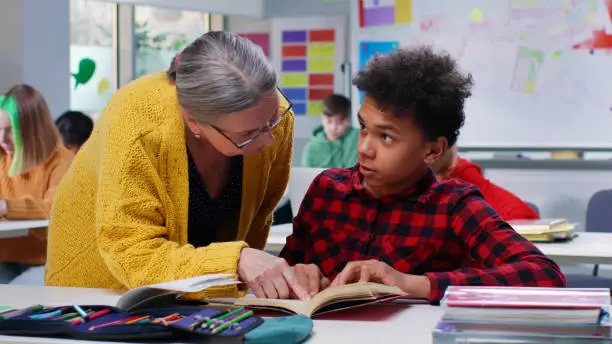
Understanding how to help learners with reading difficulties is essential for teachers, parents, and caregivers who want to support academic success and confidence. Reading difficulties can affect a learner’s ability to understand instructions, express ideas, and perform well across all subjects. These challenges may result from learning differences, limited exposure to reading, language barriers, or emotional factors. When learners struggle with reading, early and consistent support can make a significant difference in their progress.
This article explains how to help learners with reading difficulties using practical, supportive strategies that build skills, confidence, and a positive attitude toward reading.
-
Nature of Reading Difficulties
Before offering support, it is important to understand that reading difficulties vary from learner to learner. Some learners struggle with decoding words, while others have trouble with comprehension or reading fluency.
Common reading challenges include:
- Difficulty recognizing letters or sounds
- Slow or hesitant reading
- Trouble understanding what is read
- Poor spelling and word recognition
- Avoidance of reading activities
Understanding the specific difficulty helps tailor the right support approach.
-
Create a Supportive and Encouraging Environment
A positive learning environment helps learners feel safe and motivated to improve their reading skills.
Supportive practices include:
- Avoiding criticism or embarrassment
- Encouraging effort rather than perfection
- Celebrating small reading improvements
- Allowing learners to read at their own pace
When learners feel supported, they are more willing to practice and take risks.
-
Use Phonics and Sound-Based Instruction
Phonics instruction helps learners connect letters with sounds, which is essential for reading development.
Effective phonics strategies include:
- Teaching letter sounds systematically
- Practicing blending sounds into words
- Repeating sounds and word patterns regularly
- Using visual and audio aids
Sound-based instruction strengthens decoding and word recognition skills.
-
Read Aloud and Model Good Reading Skills
Reading aloud exposes learners to correct pronunciation, rhythm, and expression.
Helpful read-aloud practices include:
- Reading stories aloud daily
- Modeling fluent reading
- Discussing the text during and after reading
- Encouraging learners to follow along
Listening to fluent reading improves comprehension and vocabulary.
-
Use Multisensory Teaching Methods
Multisensory learning engages more than one sense, making reading easier to understand and remember.
Multisensory techniques include:
- Tracing letters with fingers
- Using flashcards and pictures
- Acting out stories or words
- Combining movement with reading activities
These methods make learning more interactive and effective.
-
Break Reading Tasks into Smaller Steps
Large reading tasks can overwhelm learners with reading difficulties.
Helpful approaches include:
- Reading short passages instead of long texts
- Focusing on a few words at a time
- Practicing one skill before moving to the next
- Giving clear, simple instructions
Breaking tasks down builds confidence and reduces frustration.
-
Encourage Regular Reading Practice
Consistent practice is key to improving reading skills.
Effective practice habits include:
- Setting aside daily reading time
- Choosing books at the learner’s level
- Allowing learners to select interesting topics
- Practicing reading in short, frequent sessions
Regular practice strengthens reading fluency and comprehension.
-
Provide Extra Support and Individual Attention
Some learners need additional guidance beyond classroom instruction.
Support options include:
- One-on-one reading sessions
- Small group instruction
- Extra time for reading tasks
- Repetition and review of lessons
Individual attention helps address specific learning gaps.
-
Work Closely with Parents and Caregivers
Collaboration between teachers and parents strengthens reading support.
Helpful collaboration strategies include:
- Sharing progress and challenges
- Recommending reading activities at home
- Encouraging a reading-friendly home environment
- Maintaining consistent support routines
Working together improves learning outcomes.
-
Seek Professional Support When Needed
In some cases, professional assessment and intervention may be necessary.
Professional support may include:
- Educational assessments
- Special education services
- Speech or language therapy
- Reading specialists
Early professional support can prevent long-term learning difficulties.
ALSO READ: How to Heat a Pool Efficiently and Safely