

How to Improve Dopamine Levels Naturally

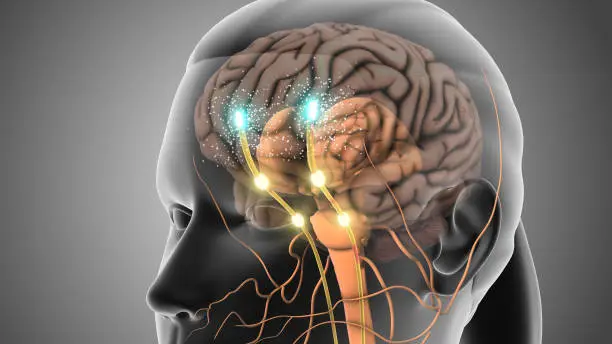
Learning how to improve dopamine levels naturally involves supporting the habits and lifestyle factors that help your brain function properly. Dopamine is a neurotransmitter involved in motivation, reward, movement, attention, learning, and other important functions. Rather than trying to increase dopamine as much as possible, the goal is to support healthy brain function through sleep, physical activity, nutritious food, meaningful activities, and good daily routines.
-
Get Enough Quality Sleep
Sleep plays an important role in brain function and neurotransmitter regulation. Regularly getting too little sleep can affect motivation, concentration, mood, and energy.
Try to maintain a consistent sleep and wake schedule and create a relaxing environment that makes it easier to rest.
- Maintain a regular bedtime
- Aim for adequate sleep each night
- Keep your bedroom comfortable
- Reduce unnecessary screen use before bed
-
Exercise Regularly
Physical activity supports brain health and can influence several neurotransmitter systems, including dopamine. You do not need intense workouts every day to benefit.
Choose activities that you enjoy and can maintain consistently.
- Walk regularly
- Try jogging or cycling
- Dance or participate in sports
- Include strength exercises when appropriate
-
Eat a Balanced Diet
Dopamine is produced from the amino acid tyrosine, which is found in many protein-containing foods. Eating a varied diet provides your body with the nutrients it needs for normal brain function.
Include a combination of protein, whole grains, vegetables, fruits, and healthy fats.
- Eat eggs and dairy products if suitable for you
- Include beans and lentils
- Eat fish, poultry, or lean meat
- Include nuts and seeds
- Eat a variety of fruits and vegetables
-
Spend Time in Natural Light
Getting natural daylight, particularly earlier in the day, can support healthy sleep-wake patterns and overall well-being. Spending time outdoors can also provide an opportunity for movement and relaxation.
Try to get some daylight exposure during the day while protecting your skin from excessive sun exposure.
- Spend time outdoors
- Get daylight earlier in the day
- Combine sunlight exposure with a morning walk
- Use appropriate sun protection
-
Set Small Achievable Goals
Dopamine is involved in motivation and reward. Breaking large tasks into smaller achievable goals can make it easier to stay motivated and recognize progress.
Instead of trying to complete everything at once, focus on one manageable task at a time.
- Set realistic daily goals
- Break large projects into smaller tasks
- Track completed tasks
- Celebrate progress without relying on excessive rewards
-
Do Activities You Enjoy
Meaningful and enjoyable activities can support positive emotions and motivation. Make time for hobbies, music, social activities, creative work, or other interests that you find rewarding.
The goal is to create a balanced life rather than constantly seeking stimulation.
- Listen to music
- Read
- Draw or create something
- Spend time with friends
- Enjoy hobbies
-
Manage Stress
Long-term stress can affect mood, sleep, motivation, and overall brain function. Finding healthy ways to manage stress can therefore support your general well-being.
Choose stress-management activities that are practical for your lifestyle.
- Practise deep breathing
- Spend time outdoors
- Exercise
- Talk to someone you trust
- Take regular breaks
-
Maintain Healthy Social Connections
Positive social relationships can support emotional well-being and provide a sense of belonging and motivation.
Make time for friends, family members, colleagues, or community activities that provide healthy social interaction.
- Talk with people you trust
- Participate in group activities
- Spend time with supportive friends
- Avoid prolonged social isolation
-
Avoid Excessive Alcohol and Recreational Drugs
Some substances can affect the brain’s reward system and may temporarily alter dopamine activity. Repeated use can contribute to problems with mood, motivation, sleep, and dependence.
Avoid recreational drugs and keep alcohol use within healthy limits, or avoid it altogether if recommended for you.
-
Reduce Constant High-Stimulation Habits
Constantly seeking quick rewards through excessive social media use, gaming, gambling, or other highly stimulating activities can make it harder to focus on slower, meaningful activities.
You do not need to eliminate enjoyable activities, but creating healthier boundaries can help you develop a more balanced routine.
- Set limits on social media
- Take breaks from entertainment
- Avoid excessive gambling
- Make time for offline activities
-
Learn Something New
Learning and mastering a new skill can provide motivation and a sense of achievement. Choose something that interests you and practise it consistently.
The activity could be learning a language, playing an instrument, improving a professional skill, cooking, or taking up a new hobby.
- Choose a realistic learning goal
- Practise regularly
- Track your progress
- Focus on improvement rather than perfection
-
Stay Hydrated
Adequate hydration supports normal body and brain function. Dehydration can contribute to tiredness, headaches, and difficulty concentrating.
Drink fluids regularly throughout the day and increase your intake when exercising or spending time in hot conditions.
- Drink water regularly
- Eat water-rich foods
- Drink more during physical activity
- Pay attention to signs of dehydration
-
Avoid Unproven Dopamine Supplements
Be cautious about products marketed as “dopamine boosters.” Increasing dopamine is not necessarily beneficial, and some supplements may interact with medicines or have unwanted effects.
A healthy lifestyle is generally a better starting point than taking supplements specifically to raise dopamine. If you are considering a supplement, discuss it with a qualified healthcare professional.
-
Check Persistent Changes in Mood or Motivation
Low motivation, loss of interest, persistent sadness, concentration problems, sleep changes, or unusual changes in energy can have many possible causes. They should not automatically be attributed to “low dopamine.”
If these symptoms persist or interfere with your daily life, consider speaking with a healthcare professional who can help identify the underlying cause.
-
Build a Consistent Daily Routine
A balanced routine brings together many of the habits that support overall brain health. Regular sleep, exercise, nutritious meals, social interaction, productive activities, and relaxation can create a healthier foundation.
Focus on consistency rather than trying to make dramatic changes overnight.
- Sleep at consistent times
- Exercise regularly
- Eat balanced meals
- Make time for meaningful activities
- Take breaks and manage stress
Also Read: How to Improve Fertility in Women

