

How to Improve Ferritin Levels Naturally

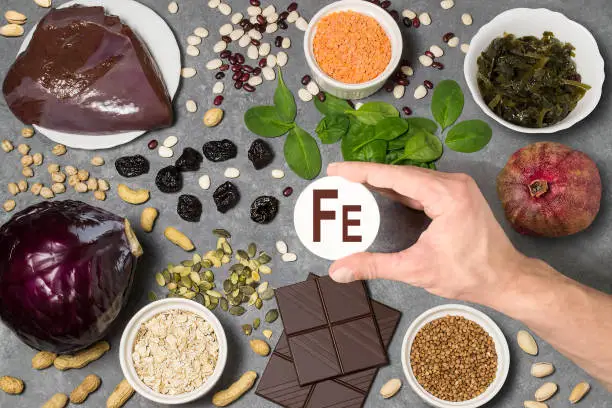
Ferritin is a protein that stores iron in the body, so low ferritin can indicate that your body’s iron stores are low. Learning how to improve ferritin levels naturally can help you support healthy iron stores through diet and better iron absorption. Foods such as meat, beans, lentils, leafy vegetables, nuts and fortified cereals can provide iron, while vitamin C can help the body absorb iron from plant foods. However, persistently low ferritin should be medically evaluated because blood loss, pregnancy, digestive problems and other conditions can contribute to iron deficiency.
-
Eat More Iron-Rich Foods
One of the most effective ways to support ferritin levels naturally is to include more iron-rich foods in your diet.
Heme iron from meat and seafood is generally absorbed more efficiently than non-heme iron from plant foods. Good sources include lean meat, beans, lentils, peas, spinach, nuts, dried fruits and iron-fortified cereals.
- Include iron-rich foods regularly
- Choose lean meat, beans and lentils
- Add leafy green vegetables
- Consider iron-fortified foods
-
Combine Plant-Based Iron With Vitamin C
Vitamin C can improve the absorption of non-heme iron found in plant foods.
Try combining iron-rich foods with foods containing vitamin C, such as oranges, tomatoes, sweet peppers, strawberries or broccoli.
For example, you could combine beans or lentils with tomatoes or have fruit alongside an iron-rich meal.
-
Include Beans and Lentils in Your Diet
Beans and lentils are useful sources of non-heme iron and can be included in many meals.
You can add them to soups, stews, salads or other balanced meals. If you follow a mostly plant-based diet, paying attention to iron intake is particularly important because non-heme iron is less readily absorbed than heme iron.
-
Eat Iron-Rich Foods Regularly
Improving iron stores usually requires consistent dietary intake rather than eating a large amount of iron-rich food occasionally.
Plan meals so that an iron-containing food is included regularly throughout the week.
- Include beans or lentils regularly
- Add suitable meat or seafood if you eat them
- Choose fortified cereals where appropriate
- Maintain a varied diet
-
Be Careful With Tea and Coffee Around Meals
Tea and coffee can reduce the amount of iron absorbed from food.
If you are trying to improve low iron stores, consider avoiding tea or coffee with your iron-rich meals. This is particularly relevant when most of your dietary iron comes from plant foods.
-
Pay Attention to Dairy and Calcium
Calcium can interfere with iron absorption in some circumstances.
If your ferritin is low, avoid routinely combining large amounts of calcium-rich foods or calcium supplements with your main iron source unless advised otherwise.
If you take calcium supplements, ask a healthcare professional or pharmacist how best to separate them from iron-containing foods or supplements.
-
Eat a Balanced Diet
Low ferritin should not be addressed by focusing only on one nutrient.
Include a variety of vegetables, fruits, legumes, whole grains, protein sources and healthy fats. A balanced diet provides the range of nutrients your body needs for normal blood production and overall health.
-
Find Out Why Your Ferritin Is Low
Diet is not always the reason for low ferritin.
Low iron stores can be associated with blood loss, heavy menstrual periods, pregnancy, inadequate dietary intake or problems affecting iron absorption. Gastrointestinal blood loss can also cause iron deficiency.
If your ferritin remains low despite improving your diet, speak with a healthcare professional about investigating the underlying cause.
-
Have Your Iron Levels Checked
A ferritin test measures the body’s stored iron, but it is often considered alongside other blood tests when assessing iron status.
Healthcare professionals may consider ferritin together with hemoglobin and other measurements to determine whether iron deficiency or iron-deficiency anemia is present. Inflammation can also affect ferritin results, so a single result may not provide the complete picture.
-
Be Particularly Careful During Pregnancy
Pregnancy increases iron requirements, and iron deficiency can occur during pregnancy.
If you are pregnant and have low ferritin, do not rely only on dietary changes without discussing your results with your doctor or midwife. They can determine whether dietary changes or iron treatment is appropriate.
-
Do Not Take High-Dose Iron Without Advice
Although iron is essential, taking large amounts of iron unnecessarily can be harmful.
Iron supplements can cause side effects such as nausea, abdominal discomfort, constipation or diarrhea, and excessive iron can cause serious toxicity. If testing shows iron deficiency, a healthcare professional can recommend the appropriate treatment and dose.
-
Monitor Your Progress
If you are working to improve low ferritin, follow-up testing can help determine whether your iron stores are improving.
Continue following the dietary or medical plan recommended by your healthcare professional. If ferritin does not improve, further investigation may be needed rather than simply increasing iron intake.
-
Watch for Symptoms of Iron Deficiency
Low iron stores may occur before significant anemia develops, but iron deficiency can eventually cause symptoms such as tiredness, weakness, headaches, shortness of breath, paleness and difficulty concentrating.
If you experience persistent or worsening symptoms, seek medical advice rather than relying solely on dietary changes.
Also Read: How to Improve Blood Circulation in Legs

