

How to Improve Food Security

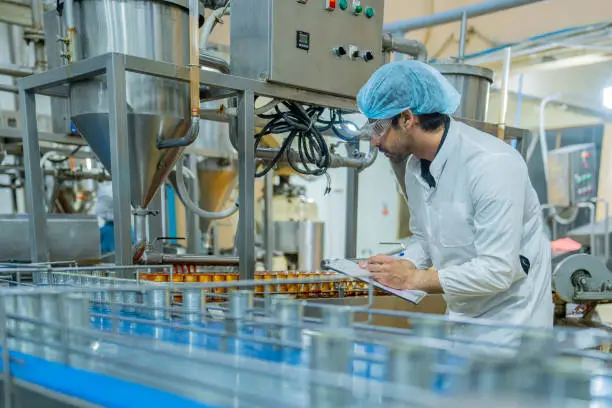
Food security means that people have reliable access to enough safe and nutritious food to support healthy lives. Learning how to improve food security is important for households, communities and governments because food availability can be affected by drought, floods, poverty, high food prices, climate change and disruptions in food supply. Improving food security requires action across farming, food storage, markets, nutrition and community support.
-
Increase Agricultural Production
One of the most important ways to improve food security is to increase the sustainable production of food.
Farmers can improve productivity by using suitable seeds, maintaining healthy soils, controlling pests and diseases, and adopting appropriate farming practices. Producing a variety of crops can also reduce dependence on a single food source.
- Promote sustainable farming
- Use suitable crop varieties
- Improve soil fertility
- Diversify food production
-
Promote Climate-Smart Agriculture
Climate change can affect food production through droughts, floods, heat and unpredictable rainfall. Climate-smart farming can help farmers adapt to these challenges while maintaining productivity.
Practices such as water conservation, soil protection, agroforestry and the use of climate-resilient crops can help strengthen agricultural systems.
- Conserve soil and water
- Plant drought-tolerant crops where appropriate
- Use weather information when planning
- Protect natural resources
-
Improve Access to Water for Farming
Reliable water supplies are essential for agricultural production, particularly in areas that experience irregular rainfall.
Investing in irrigation, rainwater harvesting and efficient water-use systems can help farmers produce food during dry periods. Water resources should also be managed carefully to avoid depletion.
- Improve irrigation systems
- Harvest rainwater
- Reduce water wastage
- Maintain water infrastructure
-
Reduce Food Loss and Waste
Food can be lost during harvesting, transportation, storage, processing and marketing. Reducing these losses means that more of the food produced reaches consumers.
Farmers and businesses can improve storage facilities, transportation systems and food-handling practices to protect food from damage and spoilage.
- Improve storage facilities
- Use appropriate packaging
- Improve transportation
- Reduce unnecessary food waste
-
Support Small-Scale Farmers
Small-scale farmers play an important role in food production in many communities.
Providing farmers with access to affordable inputs, agricultural information, training, finance, markets and appropriate technology can help increase their productivity and income.
- Provide agricultural training
- Improve access to financing
- Support farmer organizations
- Connect farmers with reliable markets
-
Improve Food Storage Facilities
Proper storage helps preserve food after harvest and makes it possible to keep supplies for periods when production is lower.
Communities can benefit from improved grain stores, cold-storage facilities and other appropriate technologies depending on the type of food being stored.
- Build suitable storage facilities
- Protect food from pests
- Maintain appropriate temperatures
- Monitor stored food regularly
-
Strengthen Food Distribution Systems
Producing enough food is not sufficient if food cannot reach the people who need it.
Better roads, transport systems, markets and distribution networks can help move food from areas with surplus production to areas experiencing shortages.
- Improve rural roads
- Strengthen transport networks
- Support local markets
- Reduce unnecessary delays in food distribution
-
Improve Household Incomes
Poverty can make it difficult for families to afford nutritious food even when food is available in local markets.
Creating employment opportunities, supporting small businesses and improving household incomes can increase people’s ability to purchase food and meet their nutritional needs.
- Promote employment
- Support small businesses
- Improve access to financial services
- Strengthen household livelihoods
-
Encourage Food Diversification
Relying heavily on a small number of crops or foods can make communities vulnerable to crop failure, price increases and environmental changes.
Encouraging households and farmers to produce and consume different foods can improve dietary diversity and make food systems more resilient.
- Grow different crops
- Include vegetables and fruits
- Support livestock and other suitable food sources
- Encourage balanced diets
-
Improve Access to Agricultural Information
Farmers need reliable information to make good decisions about planting, harvesting, pest control and weather-related risks.
Agricultural extension services, mobile technology, farmer groups and community programs can help provide useful information at the right time.
- Strengthen extension services
- Provide weather information
- Share improved farming practices
- Encourage farmer-to-farmer learning
-
Strengthen Community Food Programs
Communities can improve food security by supporting initiatives such as community gardens, school feeding programs, food banks and local agricultural cooperatives.
These programs can provide additional support to vulnerable households while encouraging local food production and cooperation.
- Establish community gardens
- Support school feeding programs
- Strengthen food assistance
- Encourage community cooperation
-
Protect Natural Resources
Healthy soils, forests, water sources and ecosystems support long-term food production.
Practices such as preventing soil erosion, protecting water sources, restoring degraded land and maintaining biodiversity can help communities continue producing food in the future.
- Prevent soil degradation
- Protect water sources
- Restore degraded land
- Promote sustainable land management
-
Strengthen Government Policies and Investment
Governments can improve food security by investing in agriculture, infrastructure, research, irrigation, storage, markets and social protection.
Policies should also help farmers respond to climate risks and other disruptions that can affect food production and access. FAO highlights climate-resilient agriculture, food-loss reduction, social protection, early-warning systems and resilient food infrastructure as important parts of strengthening food security.
-
Prepare for Emergencies
Droughts, floods, disease outbreaks, conflicts and economic shocks can quickly affect food supplies.
Communities and governments can improve preparedness by monitoring risks, maintaining emergency food systems and providing timely assistance to vulnerable populations.
- Establish early-warning systems
- Maintain emergency plans
- Protect vulnerable households
- Respond quickly to food shortages
Also Read: How to Improve Blood Circulation in Legs

