

How to Improve Pancreas Function Naturally

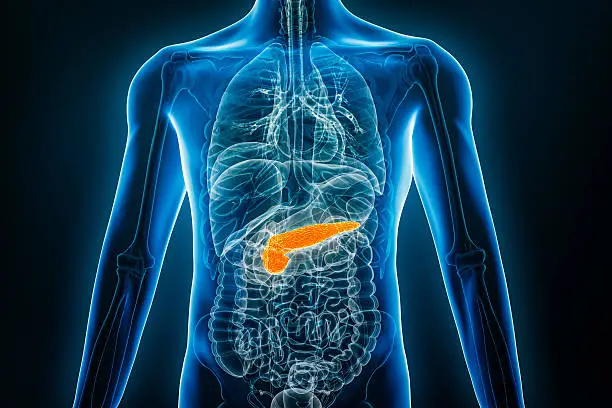
Learning how to improve pancreas function naturally involves supporting the organ through healthy lifestyle habits rather than relying on supposed “pancreas detox” products or supplements. The pancreas helps regulate blood sugar by producing hormones such as insulin and also produces digestive enzymes that help break down food. Maintaining a healthy weight, eating a balanced diet, staying physically active, avoiding smoking and alcohol, and managing blood sugar can all support overall pancreatic health.
-
Maintain a Healthy Weight
Excess body weight, particularly around the abdomen, can contribute to insulin resistance and increase the strain on the body’s blood-sugar regulation system. If you are overweight, gradual and sustainable weight loss may improve metabolic health and, in some people with type 2 diabetes, improve pancreatic insulin secretion.
Avoid crash diets and extreme calorie restriction.
- Aim for gradual weight management
- Focus on sustainable eating habits
- Combine healthy eating with physical activity
- Speak with a healthcare professional if you need a structured weight-loss plan
-
Eat a Balanced Diet
A balanced diet provides the nutrients your body needs while helping maintain healthy blood glucose levels.
Include vegetables, fruits, whole grains, protein foods, and healthy sources of fat. Limit foods that are very high in added sugar, saturated fat, and calories.
- Eat plenty of vegetables
- Choose whole grains where appropriate
- Include healthy protein sources
- Choose healthier fats
- Limit highly processed foods
-
Reduce Added Sugar
Regularly consuming large amounts of sugary drinks, sweets, and other foods high in added sugar can make blood glucose management more difficult.
Instead, choose water or other drinks with little or no added sugar and make naturally sweet foods such as whole fruit your preferred source of sweetness.
- Reduce sugary drinks
- Limit sweets and desserts
- Check food labels for added sugars
- Choose water more often
-
Exercise Regularly
Physical activity can improve insulin sensitivity and help the body use glucose more effectively. Regular movement also supports healthy weight management.
A practical goal for many adults is around 150 minutes of moderate-intensity activity per week, together with muscle-strengthening activities on two days when appropriate.
- Walk regularly
- Try cycling or swimming
- Include strength training
- Increase activity gradually
-
Avoid Excessive Alcohol
Alcohol can damage the pancreas and is an important risk factor for pancreatitis. If you have pancreatic disease or have previously experienced pancreatitis, your healthcare professional may recommend avoiding alcohol completely.
If stopping alcohol is difficult, seek professional support rather than trying to manage the problem alone.
-
Stop Smoking
Smoking is associated with pancreatic disease and can increase the risk of complications. Stopping smoking is an important part of protecting your overall health.
If you smoke, consider speaking with a healthcare professional about evidence-based methods that can help you quit.
- Set a quit date
- Identify smoking triggers
- Seek support
- Use recommended cessation treatments when appropriate
-
Manage Blood Sugar
The pancreas produces insulin, which helps control blood glucose. Persistently high blood sugar can be associated with problems involving insulin production and insulin sensitivity.
If you have diabetes or prediabetes, follow your healthcare professional’s recommendations for monitoring and managing your blood glucose.
- Monitor blood glucose when advised
- Follow your prescribed treatment
- Eat balanced meals
- Stay physically active
- Attend recommended medical appointments
-
Choose Healthy Portions
Eating very large meals regularly can make it harder to manage calorie intake and blood glucose. Portion control can support healthy weight management and metabolic health.
Try using a balanced plate with vegetables, a suitable protein source, and an appropriate portion of whole grains or other carbohydrate-rich foods.
- Avoid routinely oversized portions
- Eat slowly
- Include vegetables in meals
- Pay attention to hunger and fullness
-
Stay Hydrated
Adequate fluid intake supports normal body function and digestion. Water is generally a good choice for everyday hydration.
Avoid relying heavily on sugary drinks because they can add substantial amounts of sugar and calories.
- Drink water regularly
- Increase fluids when exercising
- Choose water instead of sugary drinks
- Follow medical advice if you have a condition requiring fluid restriction
-
Get Enough Sleep
Good sleep supports metabolic health and can make it easier to maintain healthy eating and activity habits.
Most adults generally need around seven to eight hours of sleep each night, although individual needs vary.
- Maintain a consistent sleep schedule
- Create a comfortable sleeping environment
- Limit unnecessary screen use before bed
- Address persistent sleep problems
-
Be Careful With Supplements and Herbal Remedies
There is no simple supplement that can “repair” or “clean” the pancreas. Some supplements and herbal products can also interact with medicines or cause side effects.
Do not replace prescribed treatment with supplements marketed as pancreas cleanses or natural diabetes cures.
- Avoid unproven pancreas detox products
- Check supplements with a healthcare professional
- Do not stop prescribed medication without medical advice
- Be cautious about products promising a cure
-
Protect Your Digestive Health
The pancreas produces digestive enzymes that help break down food. If the pancreas is not producing enough enzymes, a person may develop problems absorbing nutrients.
Symptoms such as persistent diarrhea, greasy or oily stools, unexplained weight loss, bloating, or nutritional deficiencies should be medically evaluated rather than treated with home remedies alone.
-
Manage Existing Health Conditions
Conditions such as diabetes, high triglycerides, obesity, and gallstones can be associated with pancreatic problems. Managing these conditions can therefore be an important part of protecting pancreatic health.
Work with your healthcare professional to monitor conditions that may affect your pancreas.
- Manage blood glucose
- Monitor cholesterol and triglycerides when advised
- Maintain a healthy weight
- Follow treatment for gallbladder problems
- Attend regular medical reviews
-
Know the Warning Signs of Pancreatic Problems
Do not try to manage possible pancreatic disease solely through lifestyle changes. Severe or persistent upper abdominal pain, particularly when it spreads to the back, repeated vomiting, fever, jaundice, unexplained weight loss, or significant digestive problems can require medical assessment.
Seek urgent medical care for severe abdominal pain, especially when accompanied by vomiting, fever, fainting, or other concerning symptoms.
-
Get Medical Advice if You Have Pancreatic Disease
Lifestyle changes can support general health, but they cannot replace treatment for conditions such as pancreatitis, pancreatic insufficiency, or diabetes.
For example, people with exocrine pancreatic insufficiency may need pancreatic enzyme replacement therapy to help digest food and absorb nutrients. The appropriate treatment depends on the underlying condition.
Also Read: How to Improve Fertility in Women

