

How to Increase Hemoglobin Naturally and Safely

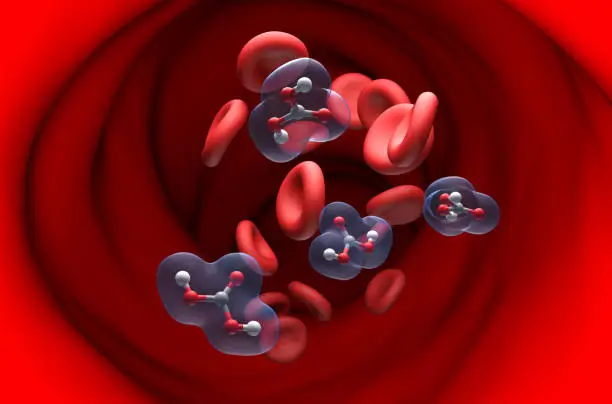
Understanding how to increase hemoglobin is important for maintaining good health, energy levels, and overall well-being. Hemoglobin is a protein in red blood cells responsible for carrying oxygen throughout the body. Low hemoglobin levels can lead to fatigue, weakness, dizziness, shortness of breath, and reduced immunity. While medical treatment may be necessary in some cases, many people can improve their hemoglobin levels through proper nutrition, lifestyle changes, and healthy habits.
This article explains natural and effective ways to increase hemoglobin safely and sustainably.
-
Role of Hemoglobin in the Body
Hemoglobin plays a vital role in oxygen transport.
Its main functions include:
- Carrying oxygen from the lungs to body tissues
- Supporting energy production
- Maintaining healthy organ function
- Preventing fatigue and weakness
Low hemoglobin reduces oxygen supply, affecting daily performance.
-
Eat Iron-Rich Foods Regularly
Iron is essential for hemoglobin production.
Good iron-rich foods include:
- Red meat and liver
- Chicken and fish
- Spinach and kale
- Beans and lentils
- Fortified cereals
- Pumpkin seeds
Including iron-rich foods daily helps raise hemoglobin levels.
-
Combine Iron With Vitamin C
Vitamin C improves iron absorption in the body.
Helpful combinations include:
- Spinach with lemon juice
- Beans with tomatoes
- Iron-rich meals with oranges
- Adding bell peppers to meals
Vitamin C makes dietary iron more effective.
-
Include Foods Rich in Folate and Vitamin B12
Folate and vitamin B12 support red blood cell production.
Sources of folate include:
- Leafy green vegetables
- Avocados
- Asparagus
- Beans and peas
Vitamin B12 sources include:
- Eggs
- Dairy products
- Fish
- Meat
- Fortified foods
Deficiencies in these nutrients can lower hemoglobin.
-
Avoid Foods That Reduce Iron Absorption
Some foods interfere with iron absorption when consumed with meals.
These include:
- Tea and coffee
- Calcium-rich foods taken with iron
- Highly processed foods
- Excessive fiber supplements
Spacing these foods away from iron-rich meals helps absorption.
-
Stay Hydrated and Maintain Healthy Digestion
Proper hydration supports blood volume and circulation.
Healthy habits include:
- Drinking enough water daily
- Eating balanced meals
- Avoiding excessive alcohol
- Supporting gut health for nutrient absorption
Good digestion helps the body use nutrients effectively.
-
Consider Iron Supplements Carefully
Supplements may help when diet alone is insufficient.
Important considerations:
- Use supplements only if recommended
- Follow correct dosage
- Avoid self-medicating for long periods
- Monitor for side effects
Medical guidance is important when using supplements.
-
Engage in Moderate Physical Activity
Exercise stimulates red blood cell production.
Helpful activities include:
- Walking
- Light jogging
- Yoga
- Cycling
Moderate activity improves circulation and oxygen demand.
-
Treat Underlying Causes of Low Hemoglobin
Sometimes low hemoglobin is linked to health conditions.
Possible causes include:
- Chronic blood loss
- Nutrient deficiencies
- Infections
- Medical conditions affecting blood production
Addressing the root cause improves long-term results.
-
Get Regular Health Check-Ups
Monitoring hemoglobin levels ensures progress.
Regular check-ups help:
- Track improvement
- Detect deficiencies early
- Adjust diet or treatment
- Prevent complications
Early detection leads to better outcomes.
Also Read: How to Hug Your Boyfriend in a Loving and Meaningful Way