

How to Introduce New Dogs to Each Other

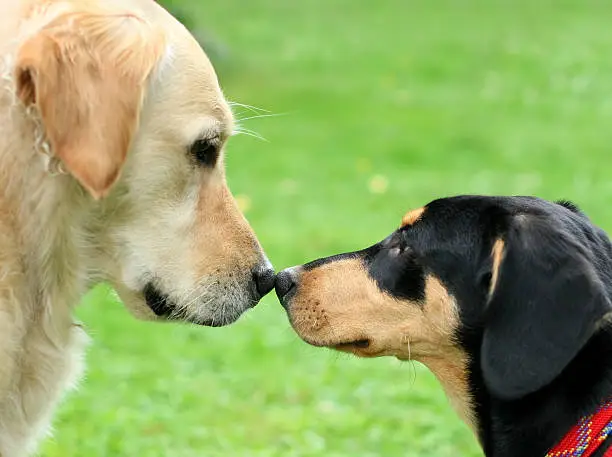
Learning how to introduce new dogs to each other is important when bringing a new dog into your home or helping unfamiliar dogs meet. A rushed introduction can create fear, tension, or conflict, while a gradual approach gives the dogs time to become comfortable with each other. The goal is to keep the first meetings calm, controlled, and positive while allowing both dogs to interact at their own pace.
-
Choose a Neutral Location
Start the introduction in a neutral outdoor area where neither dog feels the need to protect its territory. A quiet park, open walking area, or other safe location can work well.
Avoid immediately bringing an unfamiliar dog into the resident dog’s main territory.
- Choose a quiet location
- Avoid crowded areas
- Keep both dogs under control
-
Keep Both Dogs on Leashes
Have each dog handled by a separate person using a secure leash. Keep the leashes loose enough to allow normal movement without allowing the dogs to rush toward each other.
A calm handler can help prevent unnecessary tension.
- Use secure leashes
- Have one handler for each dog
- Avoid pulling or jerking the leash
-
Begin With Distance
Allow the dogs to see each other from a comfortable distance before bringing them closer.
Watch their body language and allow them to move gradually toward one another when they appear relaxed. Dogs should not be forced into close contact when they are clearly uncomfortable.
- Start several metres apart
- Watch their reactions
- Reduce the distance gradually
-
Take a Parallel Walk
Walking the dogs in the same direction can help them become comfortable with each other’s presence without requiring immediate face-to-face interaction.
Keep some distance between them at first and gradually bring them closer if both remain calm.
- Walk in the same direction
- Maintain a comfortable distance
- Reward calm behavior
-
Allow a Brief Greeting
When both dogs appear relaxed, allow them to approach and sniff each other briefly.
Do not force the interaction. A dog should have the opportunity to move away if it feels uncomfortable.
- Keep the first greeting short
- Allow natural sniffing
- Avoid forcing contact
-
Watch Their Body Language
Pay close attention to how both dogs are behaving. Relaxed bodies, normal movement, and willingness to disengage can indicate that the interaction is going well.
Signs of fear or stress can include crouching, lowered head, lip licking, flattened ears, avoiding eye contact, or trying to move away.
- Watch their ears and tails
- Look for relaxed movement
- Take stress signals seriously
-
Give Them Breaks
Do not expect the dogs to spend a long time together during their first meeting.
After a short interaction, separate them and allow them to relax before trying again. Several short, positive meetings can be better than one prolonged interaction.
- Separate them regularly
- Give each dog space
- Keep early meetings brief
-
Introduce Them Inside Gradually
Once the dogs are comfortable meeting outside, you can begin introducing them to the home environment.
Keep the first indoor interactions supervised and give each dog enough space to move away from the other.
- Remove unnecessary distractions
- Supervise their interaction
- Give each dog a safe area
-
Manage Food and Toys
Food bowls, treats, toys, beds, and other valuable items can create competition between dogs.
During the early stages, feed the dogs separately and consider removing high-value toys until you understand how they behave around each other.
- Feed dogs separately
- Monitor valuable items
- Avoid creating competition
-
Give Each Dog Its Own Space
A new dog should have a comfortable area where it can rest without being disturbed. The resident dog should also retain access to its own safe space.
Providing separate areas can reduce tension and help both dogs adjust.
- Provide separate beds
- Use baby gates or other barriers when appropriate
- Allow each dog quiet time
-
Reward Calm Behavior
Reward the dogs when they remain calm around each other. Treats, praise, or other appropriate rewards can help create positive associations with the presence of the other dog.
Avoid punishing a dog for showing fear or discomfort, as this can increase stress.
- Reward calm behavior
- Use positive reinforcement
- Keep training sessions short
-
Never Leave New Dogs Unsupervised Initially
Even if the first meetings appear successful, continue supervising interactions until you are confident that the dogs can safely share space.
Dogs can behave differently when food, toys, territory, or other resources are involved.
- Supervise interactions
- Separate them when you cannot watch them
- Gradually increase their time together
-
Know When to Separate the Dogs
If either dog becomes highly tense, growls repeatedly, snaps, lunges, freezes, or tries to escape, calmly separate them and give them time to settle.
Do not punish threatening behavior or force the dogs to continue interacting. Dogs that show aggression should receive help from a qualified behavior professional.
-
Be Patient With the Adjustment
Some dogs become comfortable with each other quickly, while others need days or weeks to adjust.
Allow the relationship to develop naturally rather than expecting the dogs to become close immediately. Giving new pets time and space can help them settle into their new environment.
- Allow gradual progress
- Avoid rushing interactions
- Continue observing their behavior
-
Seek Professional Help When Necessary
If the dogs repeatedly fight, show serious aggression, or cannot safely be around each other, seek help from a qualified dog trainer or veterinary behavior professional.
Professional guidance is particularly important when there has been a bite or serious injury.
Also Read: How to Introduce a Main Character in a Story

