

How to Keep Off Mould in a House

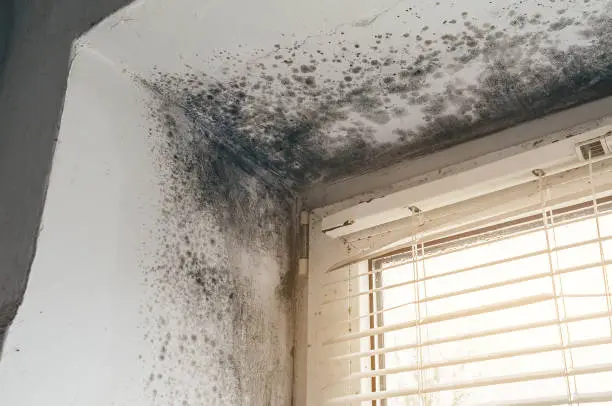
Knowing how to keep off mould in a house can help you maintain a cleaner, healthier, and more comfortable living environment. Mould grows in damp and poorly ventilated areas and can appear on walls, ceilings, windows, bathrooms, cupboards, and fabrics. Preventing mould is usually easier than dealing with a large infestation, so controlling moisture and improving ventilation are important.
-
Keep the House Well Ventilated
Good airflow helps reduce moisture that can encourage mould growth.
Open windows and doors when appropriate, particularly after showering, cooking, or cleaning. Use extractor fans in bathrooms and kitchens where available.
- Open windows regularly
- Use bathroom ventilation
- Improve airflow in damp rooms
- Avoid keeping rooms completely closed for long periods
-
Control Moisture and Humidity
Excess moisture is one of the main conditions that allows mould to grow.
Repair leaking pipes, roofs, taps, and gutters as soon as possible. If a room remains damp, consider using a dehumidifier.
- Fix leaks promptly
- Dry wet surfaces
- Use a dehumidifier where necessary
- Monitor damp areas regularly
-
Dry Wet Areas Quickly
Water left on walls, floors, windows, or other surfaces can create suitable conditions for mould.
After bathing, cooking, or cleaning, dry areas that remain wet rather than allowing moisture to sit for long periods.
- Wipe bathroom surfaces
- Dry wet floors
- Remove condensation from windows
- Do not leave wet materials indoors unnecessarily
-
Reduce Condensation
Condensation occurs when warm, moist air comes into contact with a cold surface. Regular condensation on windows and walls can contribute to mould growth.
Improve ventilation and consider reducing indoor moisture sources.
- Wipe condensation from windows
- Ventilate bathrooms after showers
- Use extractor fans while cooking
- Avoid drying large amounts of wet laundry in poorly ventilated rooms
-
Avoid Drying Clothes in Poorly Ventilated Rooms
Wet clothes release moisture into the air as they dry.
If possible, dry clothes outdoors or in a well-ventilated area. If indoor drying is necessary, increase ventilation and consider using a dehumidifier.
- Dry clothes outdoors when possible
- Open windows during indoor drying
- Avoid overcrowding drying areas
- Use a dehumidifier if necessary
-
Keep Furniture Away From Damp Walls
Furniture placed directly against cold or damp walls can restrict airflow and create areas where moisture becomes trapped.
Leave some space between large furniture and exterior walls to allow air to circulate.
- Leave a small gap behind furniture
- Check walls behind wardrobes
- Avoid blocking ventilation areas
- Inspect hidden spaces regularly
-
Clean Small Mould Spots Early
If you notice a small amount of mould, clean it promptly using an appropriate household mould-cleaning product and follow the product instructions.
Wear suitable protective equipment and provide good ventilation while cleaning.
- Deal with mould early
- Follow cleaning-product instructions
- Ventilate the room
- Avoid spreading mould during cleaning
-
Check the Roof, Walls, and Plumbing
Persistent mould may indicate an underlying moisture problem.
Inspect the house for leaking roofs, damaged walls, leaking pipes, or water entering through windows. Fixing the source of the moisture is more effective than repeatedly cleaning the mould.
- Check for roof leaks
- Inspect plumbing
- Look for damp patches
- Repair damaged walls and windows
-
Keep the House Clean and Dry
Regular cleaning can help prevent dust and organic material from accumulating in areas where mould may grow.
Pay particular attention to bathrooms, kitchens, cupboards, and other areas that frequently become damp.
- Clean damp areas regularly
- Keep cupboards dry
- Remove water spills quickly
- Maintain good household airflow
-
Get Professional Help for Extensive Mould
If mould covers a large area, repeatedly returns after cleaning, or appears to be caused by significant water damage, consider getting professional assistance.
People with allergies, asthma, or other sensitivities may be particularly affected by mould, so extensive growth should be addressed promptly.
Also Read: How to Hotspot on an HP Laptop