

How to Know You Have Bad Sleeping Habits

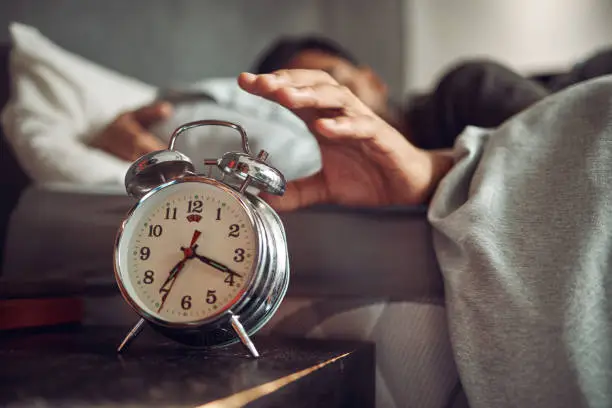
Knowing how to know you have bad sleeping habits can help you identify routines that may be affecting your sleep quality, energy levels, and daily performance. Poor sleep habits are not always obvious because they can develop gradually through irregular bedtimes, excessive screen use, late caffeine consumption, or spending too much time in bed without actually sleeping. Recognising the warning signs can help you make healthier changes to your routine.
-
You Have Different Bedtimes Every Night
Going to bed at very different times each night can make it harder for your body to maintain a consistent sleep routine.
If your sleeping schedule changes frequently, especially between weekdays and weekends, it may be a sign that your sleep habits need improvement.
- Check your usual bedtime
- Look for large changes from one night to another
- Try to maintain a more consistent routine
-
You Regularly Stay on Your Phone in Bed
Using your phone for long periods when you should be sleeping can delay bedtime and make it harder to wind down.
Scrolling through social media, watching videos, or responding to messages can encourage you to stay awake longer than planned.
- Track how long you use your phone at night
- Avoid unnecessary screen time before bed
- Consider keeping your phone away from the bed
-
You Need Caffeine Late in the Day
Regularly drinking coffee, energy drinks, or other caffeinated beverages late in the afternoon or evening can interfere with sleep for some people.
If you depend on caffeine late in the day to stay awake, review how much you are consuming and when you are taking it.
- Check your daily caffeine intake
- Avoid caffeine close to bedtime if it affects your sleep
- Notice whether you struggle to sleep after late caffeine
-
You Often Sleep In on Weekends
Sleeping much longer on weekends may indicate that you are not getting enough sleep during the week.
Although occasional extra sleep is normal, consistently needing significantly more sleep on days off can be a sign that your regular schedule is not working well.
- Compare weekday and weekend sleep
- Record your sleeping hours
- Look for a consistent difference
-
You Struggle to Fall Asleep
Taking a long time to fall asleep regularly can be a sign that your bedtime routine or sleep environment needs attention.
Stress, an inconsistent schedule, late screen use, caffeine, and an unsuitable bedroom environment can all contribute to difficulty falling asleep.
- Note how long it usually takes to fall asleep
- Review your bedtime routine
- Make your bedroom comfortable and quiet
-
You Wake Up Frequently During the Night
Regularly waking up several times can interfere with the quality of your sleep.
If you frequently wake up and struggle to return to sleep, pay attention to when it happens and whether anything appears to trigger it.
- Record nighttime awakenings
- Check your bedroom environment
- Avoid unnecessary disturbances
-
You Feel Tired During the Day
Persistent daytime tiredness, difficulty concentrating, irritability, or a strong need for naps can indicate that you are not getting enough good-quality sleep.
However, daytime fatigue can have many causes and is not always caused by poor sleep habits.
- Monitor your daytime energy
- Notice concentration problems
- Check whether you regularly need naps
-
You Use Your Bed for Many Activities
Using your bed for working, watching television, eating, gaming, or scrolling for long periods can make it harder to associate the bed with sleep.
Try to reserve your bed primarily for sleep and relaxation.
- Avoid working in bed where possible
- Reduce entertainment in bed
- Create a consistent wind-down routine
-
Your Sleep Problems Keep Continuing
If difficulty sleeping, excessive daytime sleepiness, loud snoring, breathing pauses during sleep, or other sleep problems continue despite improving your habits, consider speaking with a healthcare professional.
Persistent sleep problems can sometimes be related to an underlying sleep disorder or another health issue.
Also Read: How to Check If a Car Tyre Has a Problem

