

How to Lay Edges

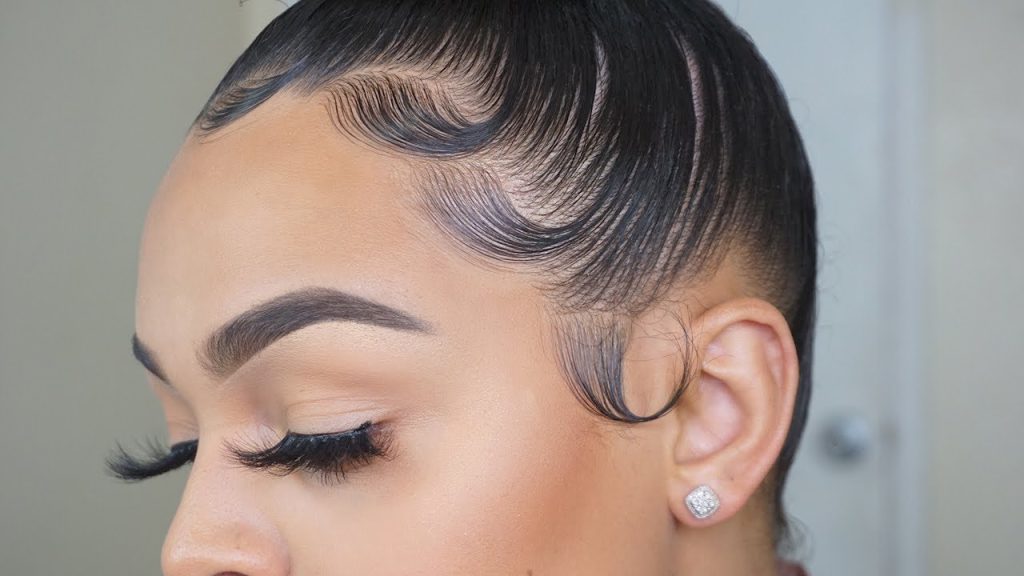
How to lay edges is a popular beauty topic, especially for people who want a neat, polished hairstyle that frames the face beautifully. Edges, also known as baby hairs, can enhance your overall look when styled correctly, whether you are wearing braids, a wig, a ponytail, or natural hair. While laying edges may seem tricky at first, the process becomes easy with the right products, tools, and technique. Learning how to lay edges properly helps you achieve a clean finish without damaging your hairline.
-
Prepare your edges before styling
Before laying your edges, proper preparation is essential to achieve smooth and long-lasting results. Clean, moisturized edges respond better to styling and are less likely to flake or break. Important preparation steps include:
- Gently cleansing your hairline to remove dirt and product buildup
- Moisturizing your edges with a light oil or leave-in conditioner
- Avoiding heavy products that can clog pores
Prepping your edges helps protect them from dryness and tension during styling.
-
Choose the right edge control product
Using the correct edge control makes a big difference in how your edges look and how long they last. Different products work better for different hair textures. When choosing an edge control, consider:
- A product that offers strong but flexible hold
- One that does not leave white residue or flakes
- Ingredients that help nourish hair, such as oils or aloe
Testing a small amount first helps you find what works best for your hair type.
-
Use the correct tools for laying edges
Having the right tools makes laying edges easier and more precise. You do not need expensive equipment, just simple tools designed for detail work. Common tools include:
- A soft edge brush or toothbrush
- A fine-tooth comb for shaping
- A silk or satin scarf to set the edges
These tools help you control your baby hairs without pulling or causing breakage.
-
Apply edge control in small amounts
When learning how to lay edges, less product is always better. Applying too much edge control can lead to buildup and stiffness. Best practices include:
- Dabbing a small amount of product onto the edges
- Working in sections for better control
- Adding more product only if necessary
This approach keeps your edges soft while still holding their shape.
-
Shape your edges gently and strategically
Shaping is where creativity comes in, but it should always be done gently to protect your hairline. Use light strokes to guide your baby hairs into smooth curves or waves. Key tips include:
- Brushing edges in the direction they naturally grow
- Avoiding tight or extreme swoops
- Taking your time to achieve symmetry
Gentle shaping prevents stress on your edges and promotes healthy growth.
-
Set your edges for a long-lasting finish
Setting your edges helps lock in the style and keeps them in place throughout the day. After shaping, tie a silk or satin scarf around your hairline for a few minutes. This helps to:
- Reduce frizz and flyaways
- Improve hold and smoothness
- Protect edges from humidity
Once the scarf is removed, your edges should appear sleek and well-defined.
-
Protect your edges to prevent damage
Maintaining laid edges also means protecting them daily. Overstyling can weaken your hairline over time. Helpful habits include:
- Avoiding daily use of edge control
- Sleeping with a satin or silk scarf
- Giving your edges breaks between styles
Healthy edges make laying them easier and more effective in the long run.
Also Read: How to Kick Start an Automatic Car