

How To Make A Board Game

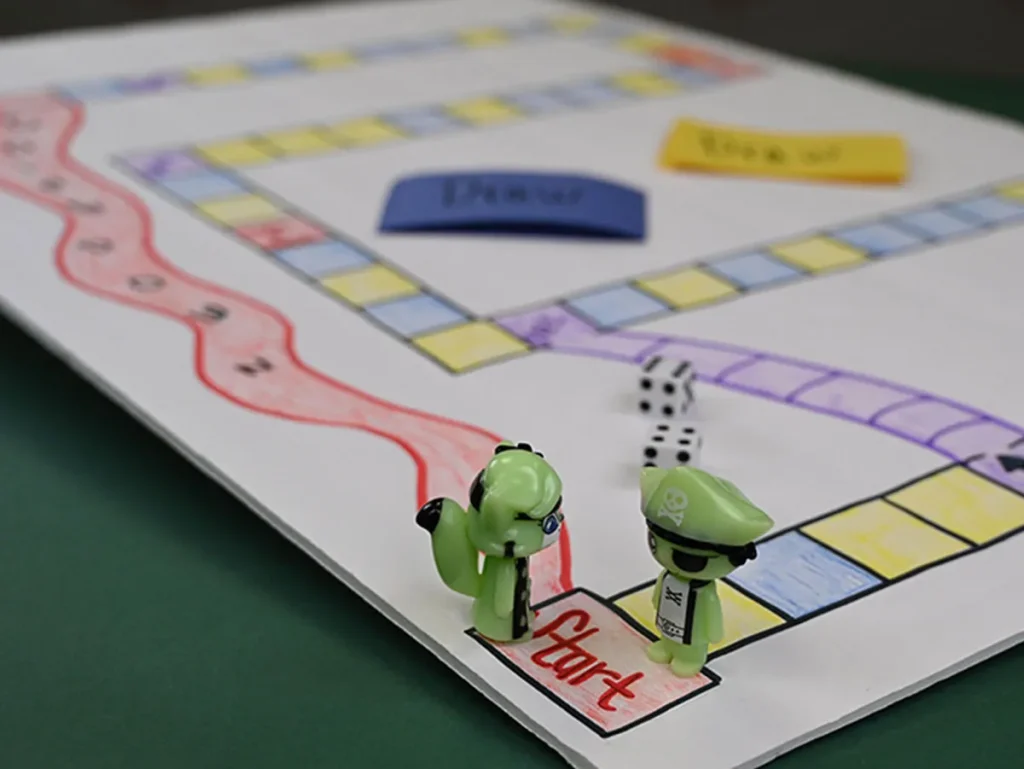
Creating a board game is a fun and rewarding process that allows you to combine creativity, strategy, and storytelling. Whether you want to design a game for family entertainment, educational purposes, or commercial production, the process involves careful planning and testing. A well-designed board game includes clear rules, an engaging theme, and balanced mechanics to ensure an enjoyable experience for players. Here is how to make a board game.
- Decide on a Theme and Concept
A great board game starts with a clear theme or concept. Think about the story or setting that will make your game exciting. Some popular themes include:
- Adventure – Players explore new worlds, defeat enemies, or solve mysteries
- Strategy – Requires careful planning, such as war games or resource management
- Educational – Helps players learn about history, science, or language in a fun way
- Party Games – Designed for quick, fun play with large groups
- Fantasy or Sci-Fi – Features magical creatures, space travel, or futuristic settings
Your theme will influence everything, from the game mechanics to the artwork.
- Define the Objective
Decide what players need to do to win. The objective should be clear, challenging, and achievable. Some common goals in board games include:
- Reaching a finish line – Like in racing or adventure games
- Collecting the most points or resources – A strategy often used in competitive games
- Solving puzzles or completing missions – Ideal for cooperative or storytelling games
- Eliminating opponents – Common in war or combat-based games
A well-defined objective keeps the game engaging and competitive.
- Create Game Mechanics and Rules
The mechanics define how players interact with the game. Consider:
- Turn-based or real-time play – Will players take turns or act simultaneously?
- Movement system – Can players move freely, roll dice, or draw cards to advance?
- Conflict and challenges – Are there obstacles, battles, or problem-solving elements?
- Player interaction – Will players compete, cooperate, or trade with each other?
Write clear and simple rules so players understand how to play without confusion. Test the rules to ensure fairness and balance.
- Design the Game Board and Components
A board game typically includes:
- The game board – Can be a printed sheet, a foldable board, or modular tiles
- Player pieces or tokens – Miniature figures, pawns, or character markers
- Dice or spinners – Used to introduce random elements or movement
- Cards – For drawing challenges, instructions, or special abilities
- Resource counters – Used to track money, health, energy, or points
Sketch out a prototype board with clear pathways, zones, and spaces for gameplay. The design should support the mechanics while keeping the board visually appealing.
- Create a Prototype and Test the Game
Once you have a basic design, create a prototype using simple materials like paper, cardboard, and coins for pieces. Playtest the game to identify problems and refine the mechanics.
- Play multiple rounds – See if the game flows well and remains exciting
- Adjust rules if necessary – If certain mechanics feel too easy or difficult, tweak them
- Check for balance – Ensure all players have a fair chance of winning
- Get feedback – Ask friends or family to play and give suggestions
Testing helps eliminate flaws and improve gameplay before finalizing the design.
- Finalize the Design and Artwork
After refining the mechanics, it’s time to make the game look professional.
- Design the board and pieces – Use digital design tools like Canva, Photoshop, or Illustrator
- Create a theme-based color scheme – The game should be visually engaging and easy to read
- Use high-quality materials – If printing the final version, use durable cardstock or laminated prints
If making a DIY game for home use, hand-draw or print the final version on a sturdy board. For commercial production, work with a graphic designer and consider manufacturing options.
- Write Clear Instructions
A well-designed game can still fail if the rules are confusing. Write a simple, step-by-step guide explaining:
- How to set up the game
- How turns work
- How players interact with the board and each other
- How to win the game
Use examples, illustrations, or video tutorials to make the instructions easy to follow.
- Package and Distribute the Game
If you want to sell or share the game, consider:
- Self-publishing – Print copies and sell them online or at game conventions
- Crowdfunding – Use platforms like Kickstarter to fund production
- Pitching to game publishers – Submit your idea to companies that produce board games
- Making a digital version – Use software like Tabletop Simulator to bring your game online
If it’s just for personal use, store the game in a sturdy box with all the components organized for easy setup.
Also Read: How To Install Downlights