

How to Make a Cell Phone Tower Step by Step

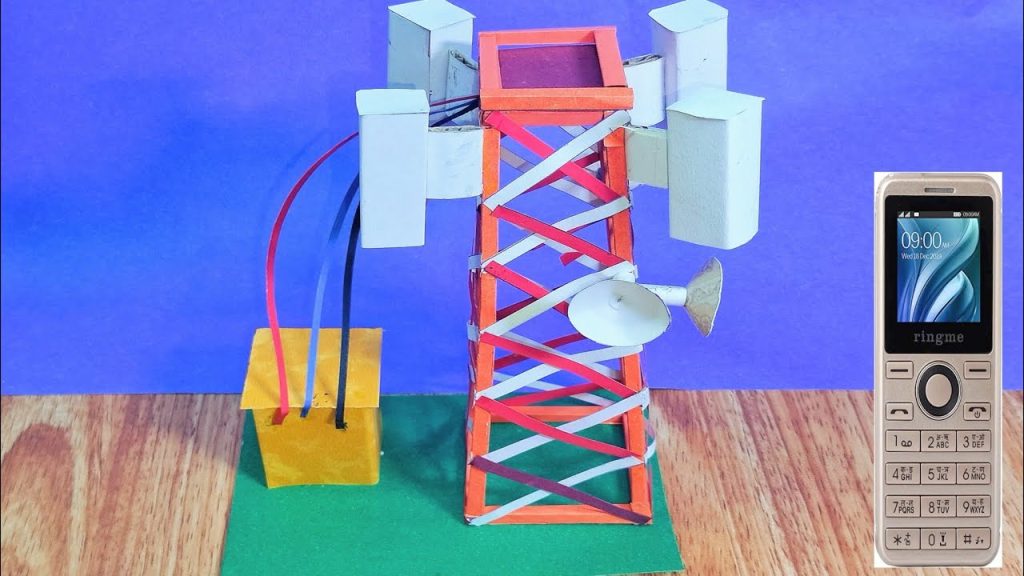
How to make a cell phone tower step by step is a topic that often comes up for educational projects, demonstrations, or general understanding of how mobile networks work. A real cell phone tower is a complex and highly regulated structure built by trained engineers, but the process can be explained in simple stages to help learners understand how towers are planned, constructed, and used. This overview focuses on the general steps involved rather than technical construction details, making it suitable for learning and informational purposes.
-
Understand what a cell phone tower does
Before learning how a cell phone tower is made, it is important to understand its purpose. A cell phone tower enables communication by transmitting and receiving signals between mobile devices and the network. Key functions include:
- Connecting mobile phones to nearby base stations
- Transmitting voice and data signals
- Covering a specific geographic area known as a cell
This understanding explains why tower placement and design are important.
-
Choose the tower type and design
Cell phone towers come in different designs depending on location, coverage needs, and environmental factors. Common tower types include:
- Lattice towers made of steel frameworks
- Monopole towers with a single vertical pole
- Rooftop towers mounted on buildings
The design affects height, strength, and signal range.
-
Select a suitable location
Location plays a major role in tower performance. Towers must be placed where they can provide wide and reliable coverage. Important considerations include:
- Distance from residential areas
- Line of sight for signal transmission
- Accessibility for maintenance
Site selection is usually guided by surveys and regulations.
-
Prepare the foundation
A strong foundation is essential for supporting the weight and height of a cell phone tower. The foundation process typically involves:
- Clearing and leveling the ground
- Digging deep support bases
- Using reinforced concrete for stability
The foundation ensures the tower remains upright and safe over time.
-
Assemble and erect the tower structure
Once the foundation is ready, the tower structure is assembled and raised. This stage requires specialized equipment and trained professionals. The process usually includes:
- Assembling tower sections on the ground
- Lifting sections using cranes
- Securing each section firmly
Proper assembly ensures the tower can withstand wind and weather.
-
Install antennas and transmission equipment
Antennas and signal equipment are what make the tower functional. These components are carefully positioned for maximum coverage. This stage includes:
- Mounting antennas at specific heights
- Installing transmitters and receivers
- Connecting power and communication cables
Correct installation ensures strong and reliable signals.
-
Connect the tower to the network
After physical installation, the tower is linked to the main communication network. This step involves:
- Connecting fiber or microwave links
- Testing signal strength and coverage
- Adjusting equipment for optimal performance
Network integration allows the tower to begin operation.
-
Test, monitor, and maintain the tower
Before full operation, the tower undergoes testing to ensure safety and performance. Ongoing maintenance is also required. This includes:
- Regular inspections
- Equipment upgrades
- Monitoring signal quality
Maintenance keeps the tower efficient and safe.
Also Read: How to Make a Cardboard Guitar