

How To Make A Drum With A Coffee Tin

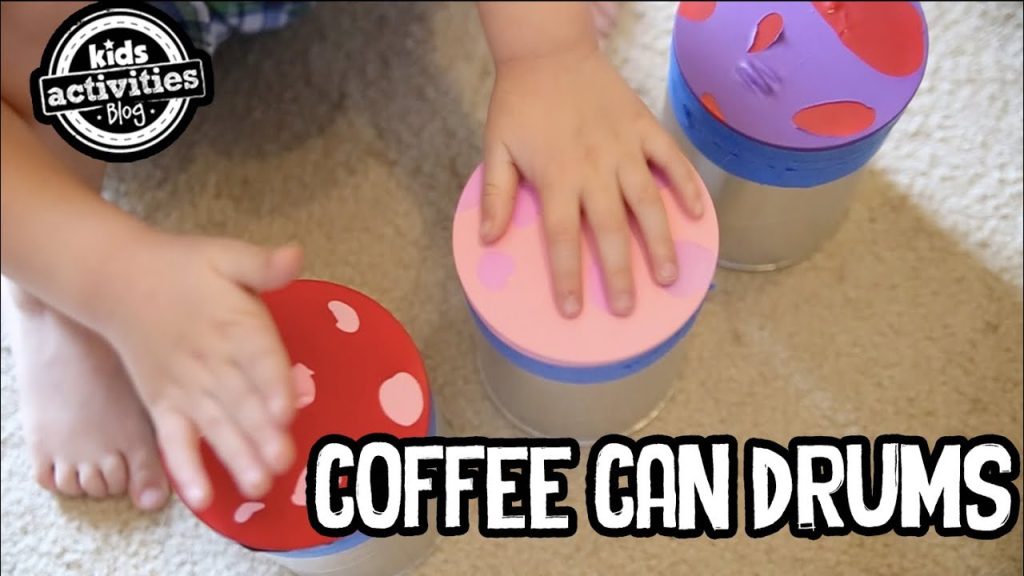
How To Make A Drum With A Coffee Tin
Making a drum using a coffee tin is a fun, creative project that’s great for kids, music lovers, or school assignments. With just a few materials, you can create a simple percussion instrument that produces a satisfying sound. It’s a hands-on way to recycle and explore rhythm at the same time. Here is how to make a drum with a coffee tin.
- Gather Your Materials
You’ll need an empty coffee tin with a plastic or metal lid, a balloon or sturdy paper, rubber bands or tape, scissors, and optional decorations like paint, markers, or stickers. If the tin doesn’t have a lid, the balloon will serve as the drum surface. - Clean and Dry the Tin
Make sure the coffee tin is clean and dry inside and out. Remove any leftover coffee grounds or labels. A dry surface helps the sound vibrate better and makes decorating easier. - Prepare the Drum Surface
If your tin has a plastic lid, it can act as the drum head. You can tap it directly with your hands or sticks. For a better sound, or if there’s no lid, stretch a balloon over the open end. Cut off the balloon’s narrow neck, then stretch the larger round part tightly across the top of the tin. - Secure the Drum Head
Once the balloon is stretched across the tin, hold it in place with a strong rubber band or tape. Make sure it’s tight and smooth. The tighter the surface, the better the sound when tapped. - Decorate Your Drum
Add personal touches by decorating the sides of the tin. Use coloured paper, paint, stickers, or draw patterns with markers. This not only makes the drum look great but turns it into a personalised musical instrument. - Make Drumsticks (Optional)
You can make simple drumsticks using wooden skewers with the sharp ends trimmed, pencils, or chopsticks. For softer beats, wrap a bit of cotton or sponge at one end and secure it with tape. - Play Your Drum
Tap the drumhead with your fingers or sticks. Try different rhythms, patterns, and strengths of tapping to create a variety of sounds. If you used a balloon, it may have a soft, bouncing tone; a plastic lid will make a sharper sound.
Also Read: How To Maintain Discipline In The Classroom