

How to Make a Frog Skeleton for School Project

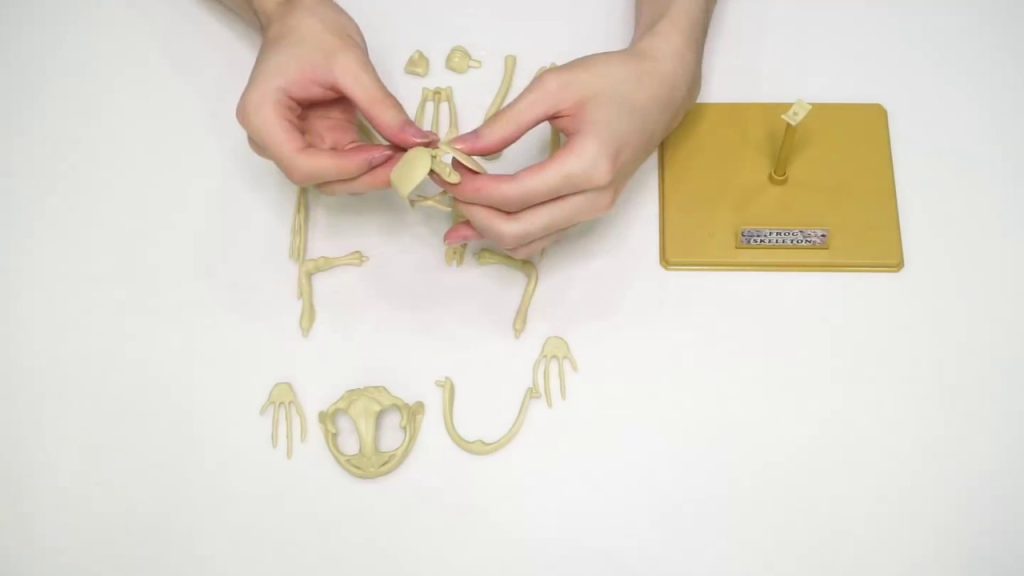
How to make a frog skeleton for school project is a common question for students who want to present animal anatomy in a clear and creative way. A frog skeleton model helps learners understand how a frog’s bones are arranged and how they support movement such as jumping and swimming. Using simple craft materials, you can create an accurate and educational frog skeleton suitable for science classes, exhibitions, or homework assignments.
-
Understand the basic structure of a frog skeleton
Before starting the project, it is important to know the main parts of a frog skeleton. A simple frog skeleton includes:
- Skull or head bones
- Backbone or vertebral column
- Forelimbs
- Hind limbs with long leg bones
- Pelvic and shoulder bones
Knowing these parts helps you place the materials correctly.
-
Gather the required materials
You can make a frog skeleton using affordable and easily available items. Common materials include:
- White drinking straws, toothpicks, or cotton buds
- Cardboard or chart paper
- Glue
- Scissors
- Pencil and ruler
Optional materials include markers for labeling.
-
Draw the frog outline
Lightly sketch a frog shape on the cardboard or chart paper. The outline should show:
- A broad head
- A short body
- Long hind legs bent outward
This outline acts as a guide for placing the bones.
-
Create the backbone and skull
Start with the main support structures. To do this:
- Cut a straight piece of straw or stick for the backbone
- Place it along the center of the body
- Use small curved pieces to form the skull shape
Allow the glue to hold firmly before moving on.
-
Make the forelimb bones
Frog forelimbs are shorter and support the body. To form them:
- Cut short straight pieces for the upper and lower arms
- Attach them on each side near the chest
- Angle them slightly outward
This shows proper limb placement.
-
Build the hind limb bones
Hind legs are the most noticeable part of a frog skeleton. To create them:
- Use longer pieces for the thigh and lower leg
- Bend the leg shape to show joints
- Add smaller pieces for feet and toes
Long hind limbs help explain jumping movement.
-
Add the pelvic and shoulder bones
These bones connect the limbs to the body. You can:
- Use small pieces arranged in a triangular shape for the pelvis
- Place curved pieces near the shoulders
These details improve accuracy.
-
Allow the skeleton to dry and label parts
Once all pieces are glued, allow the model to dry completely. After drying:
- Label major bones clearly
- Add a title and your name
Labeling helps teachers and classmates understand the model.
-
Present the frog skeleton neatly
Good presentation improves your project’s quality. You can:
- Mount the model on a display board
- Keep labels neat and readable
- Add brief explanations if required
A neat presentation leaves a strong impression.
Also Read: How to Make a File Smaller