

How to Make a Generator Silent

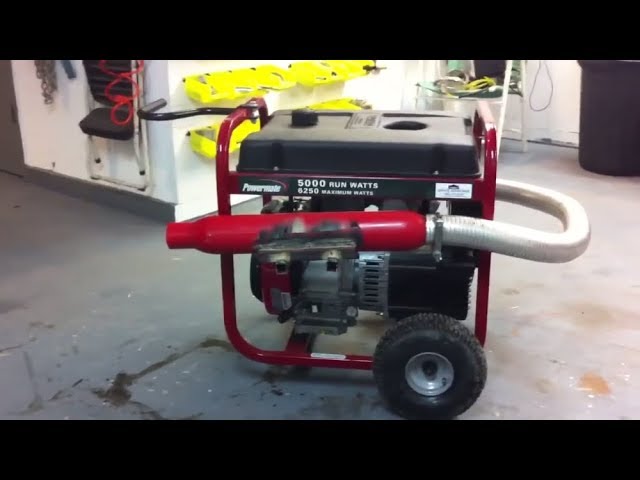
How to make a generator silent is a question many people ask when they are tired of loud generator noise disturbing their home, business, or neighbors. Generators are very useful during power outages, but their noise can be uncomfortable, stressful, and sometimes even restricted by local regulations. While it is not possible to make a generator completely silent, there are practical and effective ways to reduce its noise significantly and make it much quieter to operate.
-
Understand why generators are noisy
Before trying to reduce generator noise, it is important to understand where the sound comes from. Generator noise is mainly caused by:
- The engine running at high speed
- Vibration from moving parts
- Exhaust sound from the muffler
- The generator vibrating against the ground
Knowing the source of the noise helps you choose the best solution.
-
Place the generator on a soft surface
The surface under the generator plays a big role in how loud it sounds. Hard surfaces amplify vibration and noise. To reduce this:
- Place the generator on rubber mats
- Use thick wooden boards with foam underneath
- Avoid placing it directly on concrete
Soft surfaces absorb vibration and reduce noise levels.
-
Move the generator further away
Distance naturally reduces sound. The farther the generator is from people, the quieter it will seem. You can:
- Place the generator outside instead of indoors
- Keep it far from windows and doors
- Position it behind a wall or solid structure
Always ensure proper ventilation to avoid dangerous fumes.
-
Build a soundproof generator box
A soundproof box is one of the most effective ways to reduce generator noise. When building one:
- Use plywood or MDF boards
- Line the inside with foam, rubber, or acoustic material
- Leave openings for air circulation
The box should reduce noise without trapping heat.
-
Improve the generator muffler
The exhaust system contributes heavily to generator noise. Improving it can make a big difference. You can:
- Install a larger or better-quality muffler
- Add an exhaust silencer
- Extend the exhaust pipe away from people
Do not block the exhaust, as this can damage the generator.
-
Use sound barriers around the generator
Sound barriers help block and redirect noise. You can create barriers using:
- Wooden panels
- Cement blocks
- Thick boards lined with foam
Arrange the barriers around the generator while leaving space for airflow.
-
Maintain the generator regularly
A poorly maintained generator is usually louder than a well-maintained one. Regular maintenance helps reduce noise. Ensure that:
- Loose bolts and parts are tightened
- Worn-out components are replaced
- Oil levels are correct
A smooth-running engine produces less vibration and noise.
-
Use an inverter or silent generator
If noise is a long-term concern, upgrading may be the best option. Inverter generators are designed to run quietly. They:
- Produce less noise than conventional generators
- Adjust engine speed based on load
- Are suitable for home and office use
Although more expensive, they are much quieter.
-
Avoid overloading the generator
Overloading makes a generator work harder and louder. To prevent this:
- Only connect essential appliances
- Check the generator’s power rating
- Avoid running heavy equipment unnecessarily
Balanced loads keep noise levels lower.
Also Read: How to Make a File Smaller

