

How to Make a Lava Lamp

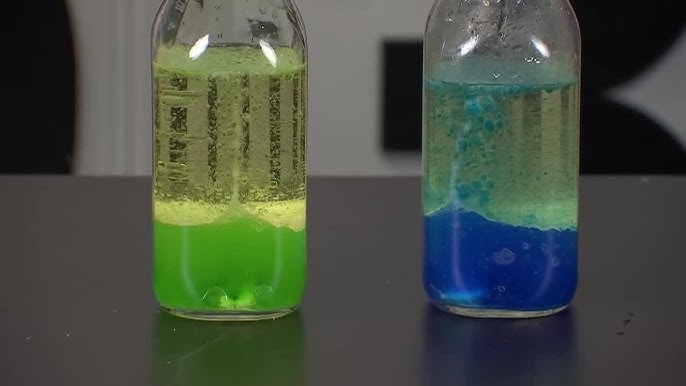
How to make a lava lamp is a fun and educational activity that combines creativity with simple science. A homemade lava lamp is popular for school experiments, home décor, and learning about liquid density and chemical reactions. Using everyday household items, you can create a colorful lava lamp that looks exciting and helps explain basic scientific concepts in an easy and practical way.
-
Understand how a lava lamp works
Before making a lava lamp, it helps to understand the idea behind it. A lava lamp works because different liquids have different densities and do not mix easily. The bubbling motion is caused by a reaction that produces gas. Key concepts include:
- Density differences between oil and water
- Chemical reactions that release gas
- Movement caused by rising and sinking bubbles
This understanding makes the project more educational.
-
Gather the required materials
Most lava lamp materials are easy to find at home. You will need:
- A clear bottle or glass jar
- Vegetable oil
- Water
- Food coloring
- Effervescent tablets or baking soda and vinegar
A clear container is important so the movement can be seen clearly.
-
Fill the container with oil
Start by pouring vegetable oil into the bottle or jar. Fill it about three-quarters full. The oil should be added first because:
- It is lighter than water
- It creates the main lava lamp effect
- It allows bubbles to move visibly
Let the oil settle before moving to the next step.
-
Add water carefully
Slowly pour water into the container until it is almost full. You will notice:
- Water sinks to the bottom
- Oil floats on top
- The two liquids do not mix
This separation is key to how the lava lamp works.
-
Add food coloring
Food coloring adds the bright lava lamp effect. To do this:
- Add a few drops of food coloring
- Watch the color sink through the oil
- See it mix only with the water layer
Choose bright colors like red, blue, or green for better visibility.
-
Create the bubbling effect
This step makes the lava lamp come alive. You can:
- Drop a small piece of an effervescent tablet into the jar
- Or add baking soda followed by a small amount of vinegar
Bubbles will form and carry colored water upward through the oil.
-
Observe the lava lamp motion
As the reaction continues, you will see:
- Colored bubbles rising and falling
- A flowing lava-like movement
- Gradual slowing as the reaction ends
This is the main visual effect of the lava lamp.
-
Repeat the reaction if needed
Once the bubbling stops, you can restart it. To do this:
- Add another small piece of tablet
- Or repeat the baking soda and vinegar process
This allows the lava lamp to be used multiple times.
-
Use the lava lamp for learning or display
Your homemade lava lamp can be used in different ways. You can:
- Present it as a science project
- Use it to explain density and reactions
- Display it as a decorative item
Always handle the container carefully and keep it sealed.
Also Read: How to Make a Generator Silent