

How to Make Jasmine Rice

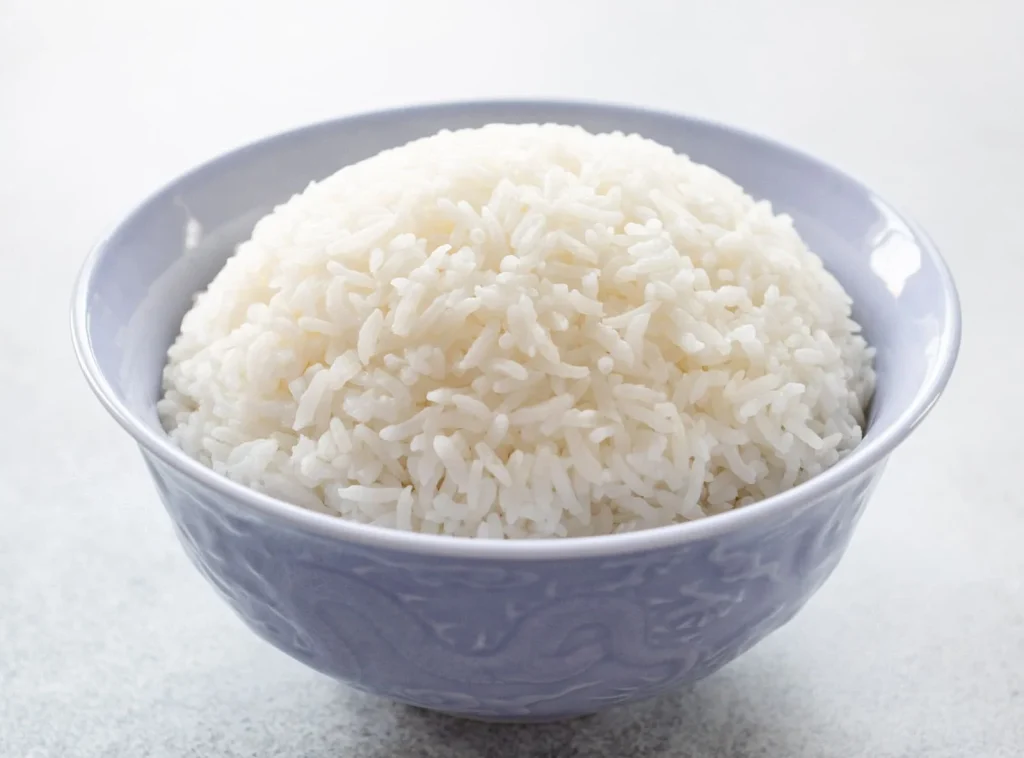
If you want soft, fragrant, and perfectly fluffy grains every time, learning how to make jasmine rice is an essential kitchen skill. Jasmine rice is a long-grain variety known for its delicate floral aroma and slightly sticky texture when cooked. Originally from Thailand, this rice has become popular worldwide and pairs beautifully with stir-fries, curries, grilled meats, and vegetable dishes.
Many people struggle with rice that turns out too mushy, too dry, or unevenly cooked. The secret to mastering jasmine rice lies in proper rinsing, accurate water measurement, and controlled heat. Once you understand these basics, you can consistently produce light, tender rice that enhances any meal.
-
Measure the Rice Correctly
Start by deciding how much rice you need. Jasmine rice expands during cooking, so one cup of uncooked rice usually serves two to three people.
Keep in mind:
- 1 cup of uncooked jasmine rice yields about 3 cups cooked
- Use a standard measuring cup for accuracy
- Adjust portions depending on the number of servings
Proper measurement ensures the right rice-to-water ratio.
-
Rinse the Rice Thoroughly
Rinsing jasmine rice removes excess surface starch. This step prevents the rice from becoming overly sticky or clumpy.
Place the rice in a bowl and cover it with cold water. Swirl it gently with your hand, then pour off the cloudy water. Repeat this process until the water runs mostly clear.
Rinsing helps:
- Improve texture
- Remove impurities
- Keep grains separate after cooking
Do not skip this step if you want fluffy results.
-
Use the Correct Water Ratio
For stovetop cooking, the standard ratio is:
- 1 cup jasmine rice
- 1½ cups water
Using too much water leads to mushy rice, while too little water leaves it undercooked. Jasmine rice requires slightly less water than regular long-grain white rice.
If you prefer softer rice, you can add an extra tablespoon of water. Small adjustments can make a noticeable difference.
-
Cook on the Stovetop
Place the rinsed rice and measured water into a pot. Cover with a tight-fitting lid.
Follow this method:
- Bring the water to a gentle boil over medium heat
- Once boiling, reduce the heat to low
- Cover and let it simmer for 12 to 15 minutes
- Avoid lifting the lid during cooking
Keeping the lid closed traps steam, which is essential for even cooking.
When the water has been absorbed and small steam holes appear on the surface, the rice is done.
-
Let It Rest Before Fluffing
After cooking, remove the pot from heat but keep the lid on. Let the rice rest for about 10 minutes. This resting period allows the moisture to redistribute evenly.
Once rested, use a fork to gently fluff the rice. Fluffing separates the grains and releases excess steam.
-
Alternative Method Using a Rice Cooker
If you have a rice cooker, the process becomes even easier.
Simply:
- Rinse the rice
- Add it to the cooker
- Pour in water using the same 1:1½ ratio
- Close the lid and press start
The cooker automatically adjusts temperature and cooking time. Once finished, allow the rice to sit for a few minutes before fluffing.
-
Tips for Perfect Jasmine Rice
Small details can improve your results.
Consider these helpful tips:
- Use a heavy-bottomed pot to prevent burning
- Do not stir the rice while it cooks
- Add a pinch of salt for subtle flavor
- For extra richness, replace a tablespoon of water with coconut milk
These adjustments enhance both taste and texture.
Also Read: How to Make Floor Polish