

How to Make Lasagne Sheets

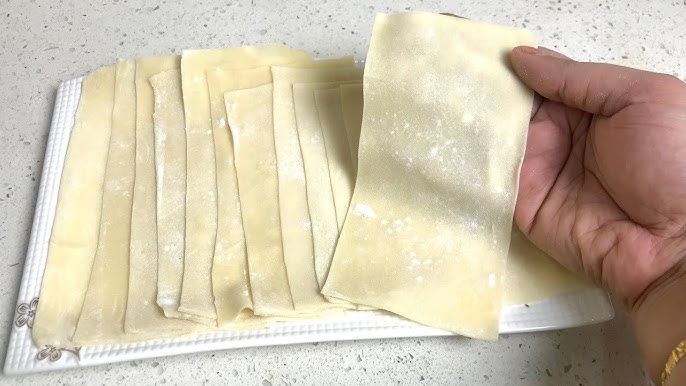
If you love homemade pasta dishes, learning how to make lasagne sheets from scratch can completely transform your cooking. Fresh pasta has a softer texture, richer flavor, and better structure than many store-bought options. When layered into a bubbling tray of lasagne, homemade sheets absorb sauce beautifully while maintaining a delicate bite.
Lasagne is strongly associated with Italy, particularly the region of Emilia-Romagna, where traditional pasta-making techniques have been passed down for generations. While dried sheets are convenient, making your own allows you to control thickness, ingredients, and freshness. The process is simple and requires only a few basic components.
-
Ingredients
Fresh pasta dough uses minimal ingredients, but quality matters.
You will need:
- 2 cups all-purpose flour or Italian “00” flour
- 3 large eggs
- ½ teaspoon salt
- A little extra flour for dusting
Some cooks add a teaspoon of olive oil, but traditional pasta dough relies mainly on flour and eggs for structure.
-
Form the Dough
Place the flour on a clean surface and create a well in the center. Crack the eggs into the well and add the salt.
Using a fork, gently beat the eggs while gradually pulling flour from the edges into the center. Continue mixing until the dough begins to come together.
Once it forms a rough mass, use your hands to combine everything into a single dough ball. If the dough feels too dry, add a few drops of water. If too sticky, sprinkle a small amount of flour.
-
Knead Until Smooth
Kneading develops gluten, which gives pasta its elasticity and strength.
Knead the dough firmly for about 8 to 10 minutes until it becomes:
- Smooth
- Elastic
- Slightly firm
- Not sticky
Press the dough with the heel of your hand, fold it over, and rotate it repeatedly. Proper kneading ensures your lasagne sheets will not tear easily.
-
Let the Dough Rest
Wrap the dough in plastic wrap or cover it with a clean cloth. Let it rest at room temperature for at least 30 minutes.
Resting allows:
- Gluten to relax
- Moisture to distribute evenly
- Easier rolling
Do not skip this step, as it improves texture and makes rolling much smoother.
-
Roll Out the Dough
Divide the dough into smaller portions for easier handling. Lightly flour your surface.
You can use:
- A rolling pin
- A pasta machine
Roll the dough into thin sheets, about 1 to 2 millimeters thick. Lasagne sheets should be thin but sturdy enough to hold sauce layers.
If using a pasta machine, gradually pass the dough through thinner settings until you reach the desired thickness.
-
Cut Into Sheets
Once rolled out, trim the dough into rectangular sheets that fit your baking dish.
Ensure the sheets are:
- Evenly shaped
- Large enough to cover layers
- Not overly thick
Lay them flat on a lightly floured surface to prevent sticking.
-
Pre-Cook if Necessary
Fresh lasagne sheets can often be used directly in your dish without boiling. However, if they are slightly thick, blanch them briefly in salted boiling water for about 30 seconds.
After blanching:
- Remove carefully
- Lay flat on a clean towel
- Avoid stacking while wet
This prevents sticking and tearing.
-
Store Properly
If not using immediately, dust the sheets lightly with flour and store them in the refrigerator for up to 24 hours. You can also freeze them by placing baking paper between each sheet.
Also Read: How to Make Flowers Out of Ribbon