

How to Make Soft Ice Blocks

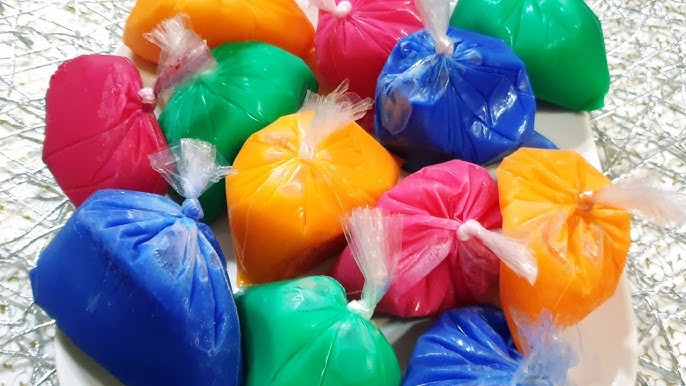
Learning how to make soft ice blocks is useful for keeping food and drinks cold in coolers, lunch boxes, or storage containers without the hardness and sharp edges of regular ice. Soft ice blocks are easier to handle, last longer than loose ice cubes, and melt more slowly when properly prepared. They are commonly used during picnics, road trips, camping, or when transporting perishable items.
Unlike standard ice cubes that freeze solid and brittle, soft ice blocks are slightly flexible and easier to break or mold. This effect is usually achieved by adjusting the freezing method or adding simple ingredients that change how water freezes. With a few household items, you can easily prepare soft ice blocks at home that work just as well as store-bought ice packs.
Below are practical methods and tips to help you understand how to make soft ice blocks effectively.
-
Materials Needed to Make Soft Ice Blocks
Before starting, gather the basic materials required for freezing the ice blocks.
Common items include:
- Clean water
- Plastic containers or freezer bags
- A freezer
- Salt or rubbing alcohol (optional)
- A sealable plastic bottle or ice tray
Using strong freezer bags or containers is important because the ice will expand slightly as it freezes.
-
Method One: Using Salt to Create Softer Ice
Salt lowers the freezing point of water, which can make ice slightly softer and less brittle.
Follow this approach:
- Fill a container or freezer bag with water
- Add a small pinch of salt and mix well
- Seal the container tightly
- Place it flat inside the freezer
The salt slightly alters the freezing process, producing ice that is not as rock-hard as regular frozen water. This type of soft ice block is useful in coolers because it stays cold while being easier to break if needed.
-
Method Two: Using Rubbing Alcohol for Flexible Ice Packs
Another effective way to make soft ice blocks is by combining water with rubbing alcohol. This mixture freezes into a slushy, flexible block rather than solid ice.
To prepare it:
- Mix two cups of water with one cup of rubbing alcohol
- Pour the mixture into a sealed freezer bag
- Remove excess air and seal the bag tightly
- Place it in the freezer for several hours
The result is a soft, gel-like ice block that remains flexible even when frozen. This method is commonly used to make reusable ice packs for injuries or cooling purposes.
-
Method Three: Making Large Ice Blocks for Coolers
If you want ice blocks that last longer in coolers, freezing larger containers of water is helpful.
You can do this by:
- Filling a plastic bottle or container with water
- Leaving a small space at the top for expansion
- Sealing it tightly
- Placing it in the freezer overnight
These blocks melt slower than ice cubes and help maintain cold temperatures for longer periods.
-
Tips for Better Soft Ice Blocks
When learning how to make soft ice blocks, a few simple tips can improve results and make the ice more effective.
Helpful tips include:
- Use distilled or filtered water for cleaner ice
- Freeze blocks in flat shapes for faster cooling
- Use thick freezer bags to prevent leaks
- Label alcohol-based ice packs so they are not used for drinking
Preparing several blocks at once also ensures you always have ice ready when needed.
Also Read: How to Make Salami

