

How to Make the World a Better Place

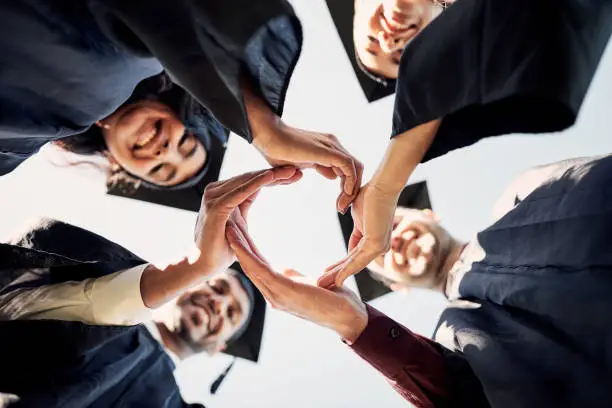
Learning how to make the world a better place begins with understanding that meaningful change often starts with small actions. While global challenges such as poverty, environmental damage, and inequality may seem overwhelming, individuals and communities can contribute to positive change through everyday decisions and responsible behavior. By practicing kindness, supporting others, and protecting the environment, people can collectively improve the quality of life for present and future generations.
Throughout history, many global organizations such as United Nations have worked to promote peace, development, and cooperation between nations. However, the responsibility for creating a better world does not rest only with institutions. Individuals also play a crucial role in shaping a more compassionate and sustainable society.
Below are practical ways that anyone can contribute to making the world a better place.
-
Practice Kindness and Respect
One of the simplest ways to improve the world is by treating others with kindness and respect. Positive interactions build stronger communities and create environments where people feel valued.
Simple actions include:
- Helping someone in need
- Listening to others with empathy
- Avoiding discrimination or harmful language
- Showing gratitude and appreciation
Even small gestures can have a powerful impact on someone’s day and encourage others to act in the same way.
-
Support Education and Knowledge
Education is a powerful tool for improving lives and creating opportunities. When people have access to learning, they gain skills that help them contribute positively to society.
Ways to support education include:
- Encouraging children to stay in school
- Sharing knowledge and mentoring others
- Supporting libraries and learning programs
- Promoting equal access to education
Educated communities are often better equipped to solve problems and improve their living conditions.
-
Protect the Environment
Taking care of the environment is essential for the well-being of the planet and future generations. Environmental protection helps maintain clean air, water, and natural resources.
Individuals can help by:
- Reducing waste and recycling materials
- Conserving water and electricity
- Planting trees and protecting green spaces
- Avoiding pollution whenever possible
These actions contribute to global sustainability efforts and help reduce environmental damage.
-
Volunteer and Help Your Community
Volunteering is another effective way to create positive change. By giving time and effort to community projects, people can support those who need assistance.
Examples of volunteer work include:
- Helping at local shelters or charities
- Participating in community clean-up activities
- Supporting health or food programs
- Assisting during emergencies or disasters
Volunteering strengthens communities and encourages cooperation among people.
-
Promote Peace and Understanding
Conflicts often arise from misunderstanding, intolerance, or lack of communication. Promoting peace and understanding between individuals and groups can reduce tension and build stronger relationships.
Important practices include:
- Respecting cultural and social differences
- Resolving disagreements peacefully
- Encouraging dialogue and cooperation
- Standing against violence and injustice
Peaceful societies are more stable and provide better opportunities for growth and development.
-
Use Resources Responsibly
Responsible use of resources ensures that future generations can also meet their needs. This idea is closely connected to the global goals promoted by organizations like the United Nations through sustainable development initiatives.
Individuals can practice responsible consumption by:
- Buying only what is necessary
- Supporting ethical and sustainable products
- Reducing food waste
- Reusing items whenever possible
Responsible consumption helps protect natural resources and reduces environmental impact.
Also Read: How to Make Tennis Biscuits Dessert