

How to Minimise Human-Wildlife Conflicts

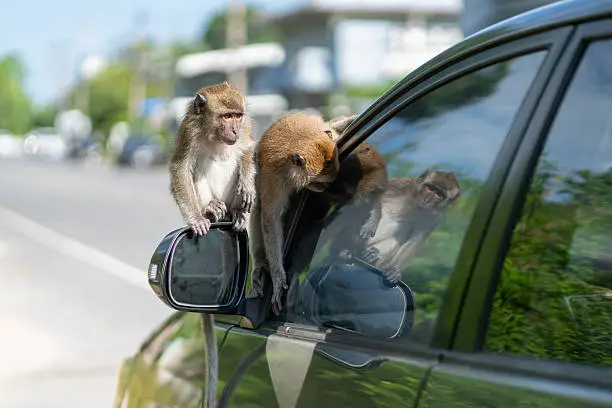
Knowing how to minimise human-wildlife conflicts is important for protecting both communities and wildlife. Human-wildlife conflict can occur when animals enter farms, homes, roads, or other areas where people live and work. Crop destruction, livestock losses, property damage, and threats to human safety can create tension between communities and wildlife. Effective prevention focuses on reducing situations that bring people and animals into dangerous contact.
-
Protect Crops From Wildlife
Farmers can use appropriate barriers and other methods to reduce the chances of wild animals entering crop fields.
Fencing, secure gates, and other locally suitable deterrents can help protect crops while reducing the need for harmful responses.
- Maintain suitable fencing
- Secure entry points
- Monitor areas regularly
- Use locally appropriate deterrents
-
Protect Livestock
Livestock can attract predators, particularly when animals are left unprotected at night.
Keeping livestock in secure enclosures and improving supervision can reduce attacks.
- Use secure livestock enclosures
- Keep vulnerable animals protected at night
- Repair damaged fences
- Improve supervision where necessary
-
Keep Food and Waste Secure
Wild animals can be attracted to food remains, rubbish, livestock feed, and other easily accessible sources of food.
Properly storing food and disposing of waste can discourage animals from entering residential areas.
- Secure rubbish containers
- Store food safely
- Avoid leaving food outside
- Dispose of waste properly
-
Avoid Feeding Wild Animals
Feeding wild animals can make them associate people and homes with food.
Animals that become accustomed to receiving food from humans may lose their natural fear and become more likely to approach people.
- Do not feed wild animals
- Keep food away from wildlife
- Discourage others from feeding animals
- Report repeated wildlife approaches where appropriate
-
Improve Community Awareness
People living near wildlife areas should understand animal behaviour and know how to respond when wildlife is encountered.
Community education can help residents recognise risks and avoid actions that could provoke animals.
- Teach residents about local wildlife
- Share information about animal behaviour
- Explain safe responses to encounters
- Encourage reporting of wildlife incidents
-
Use Early Warning Systems
Communities can use appropriate warning systems to identify wildlife approaching farms, homes, or other vulnerable areas.
Depending on the location, these may include community patrols, monitoring systems, lighting, or other approved methods.
- Monitor areas where wildlife frequently appears
- Share warnings with neighbours
- Report sightings promptly
- Use appropriate monitoring technology where available
-
Protect Wildlife Corridors
Development can restrict the natural movement of animals and increase encounters with people.
Protecting wildlife corridors and maintaining suitable natural habitats can allow animals to move between areas without passing through densely populated locations.
- Protect natural habitats
- Maintain wildlife corridors
- Avoid unnecessary development in important wildlife areas
- Support responsible land-use planning
-
Improve Road Safety Near Wildlife Areas
Roads passing through wildlife habitats can increase the risk of collisions between vehicles and animals.
Warning signs, appropriate speed limits, wildlife crossings, and public awareness can help reduce these incidents.
- Observe wildlife warning signs
- Reduce speed in wildlife areas
- Use designated wildlife crossings
- Avoid stopping unnecessarily near wild animals
-
Report Problem Animals Through the Proper Channels
If a wild animal repeatedly enters homes, farms, or other areas and poses a serious threat, contact the relevant wildlife authorities.
Avoid attempting to capture, injure, or kill the animal yourself.
- Report dangerous encounters
- Provide accurate information about the animal’s location
- Keep people away from the animal
- Follow instructions from wildlife authorities
-
Involve Local Communities in Conservation
Communities living alongside wildlife should be involved in decisions about conservation and conflict management.
Community-based conservation programmes can help residents understand the value of wildlife while developing practical solutions to local problems.
- Involve residents in conservation programmes
- Support responsible tourism where appropriate
- Encourage cooperation with wildlife authorities
- Develop local conflict-prevention strategies
-
Provide Support for Communities Affected by Wildlife
Where communities suffer repeated crop or livestock losses, appropriate compensation, insurance, or other support programmes can help reduce resentment towards wildlife.
Such programmes should be transparent and accessible to affected communities.
- Document wildlife-related losses
- Learn about available support programmes
- Encourage transparent reporting
- Support sustainable livelihoods
-
Avoid Retaliation Against Wildlife
Killing or harming wild animals may not solve the underlying problem and can negatively affect ecosystems.
Long-term solutions should focus on preventing animals from accessing food, livestock, crops, and other resources that bring them into conflict with people.
Also Read: How to Keep Short Hair Smart

