

How to Protect Your Home from Harsh Weather, Break-Ins, and Other Threats

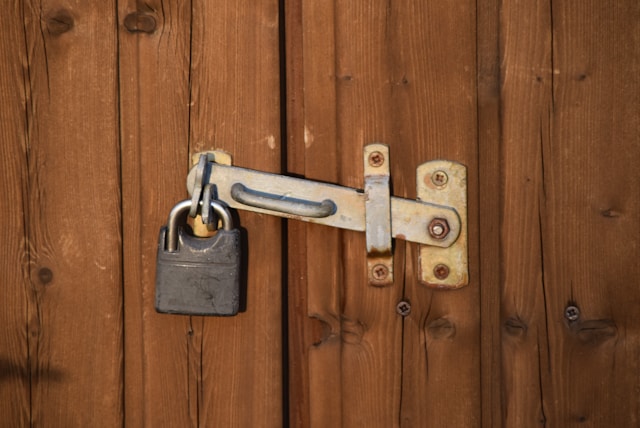
Old lock old wooden door
Your home is more than just a structure; it’s your refuge. Protecting it from unpredictable weather, intruders, and other risks is crucial to maintaining its safety and longevity. From reinforcing your roof against storms to securing doors and windows from potential break-ins, there are practical steps you can take to safeguard your property.
This guide covers essential strategies to shield your home from extreme weather, unwanted visitors, and everyday wear and tear.
1. Fortify Your Home Against Harsh Weather
Weather can be unpredictable, and depending on where you live, your home may be exposed to hurricanes, heavy snowfall, extreme heat, or severe thunderstorms. Preparing in advance can help minimize damage and costly repairs.
Strengthen Your Roof
Your roof is your first line of defense against the elements. Regular inspections can help identify loose shingles, leaks, or other vulnerabilities before they turn into major problems. If you live in an area prone to strong winds or heavy rainfall, consider upgrading to impact-resistant materials. Working with a metal roofing company can provide durable, long-lasting protection against severe weather conditions.
Secure Windows and Doors
High winds and hail can shatter glass, leaving your home exposed to rain, debris, and intruders. Reinforce windows with storm shutters or impact-resistant glass. For doors, install heavy-duty deadbolts and consider steel or fiberglass options that can better withstand force.
Improve Drainage and Landscaping
Flooding is a common issue in heavy rainstorms. Ensure your gutters and downspouts are clean and direct water away from your home’s foundation. If your property is prone to pooling water, consider installing a French drain or adjusting your landscaping to promote natural runoff.
Backup Power Source
A sudden storm can knock out power for hours or even days. A generator—whether portable or whole-house—ensures you can keep essential appliances running, including heating, cooling, and refrigeration.
2. Protect Your Home from Break-Ins
A secure home is less appealing to burglars. Simple upgrades can make a big difference in deterring unwanted visitors.
Upgrade Locks and Reinforce Entry Points
Standard locks aren’t always enough to keep intruders out. Install deadbolts, smart locks, and strike plates for extra security. Reinforce sliding doors with security bars, and add a peephole or doorbell camera to monitor visitors before opening the door.
Install a Home Security System
Modern security systems go beyond basic alarms. Motion-sensing lights, surveillance cameras, and smart home technology allow homeowners to monitor their property remotely. Many systems include mobile alerts, notifying you of any suspicious activity.
Maintain Outdoor Visibility
Burglars often target homes with dark corners and overgrown landscaping. Trim bushes and trees near windows and doors, and install motion-activated lights around entry points. A well-lit home is far less inviting to criminals.
Make It Look Like Someone Is Always Home
If you’re away for an extended period, take steps to make your home appear occupied. Use smart lights on timers, pause mail and package deliveries, and ask a neighbor to check in. Burglars tend to avoid homes that appear actively lived in.
3. Prevent Common Household Risks
Beyond weather and security concerns, everyday hazards like fire, water leaks, and mold can threaten your home’s safety. Taking preventative steps can save time, money, and stress in the long run.
Fire Safety Measures
House fires can be devastating. Reduce your risk by installing smoke detectors in key areas, testing them regularly, and keeping fire extinguishers accessible. Avoid overloading electrical outlets, and if you have a fireplace, clean the chimney annually to prevent buildup.
Water Damage Prevention
Small leaks can lead to significant water damage if left unchecked. Inspect pipes, appliances, and your roof for leaks regularly. Consider installing water sensors in basements, laundry rooms, and under sinks to detect leaks early.
Pest Control Strategies
Rodents, termites, and other pests can cause damage and create health hazards. Keep your home pest-free by sealing cracks, storing food properly, and maintaining a clean environment. If you suspect an infestation, act quickly to prevent further damage.
4. Invest in Home Insurance and Emergency Planning
Even with the best preventative measures, unexpected events can still occur. Having a solid insurance plan and an emergency strategy in place ensures you’re prepared.
Review Your Home Insurance Coverage
Not all homeowners’ insurance policies cover extreme weather damage or break-ins. Review your policy carefully and consider adding flood or hurricane coverage if you live in a high-risk area. A comprehensive policy can save you thousands in repairs.
Create an Emergency Plan
Discuss emergency procedures with your family. Know where to go in case of a fire, flood, or severe weather event. Keep important documents, emergency contacts, and essential supplies in an easily accessible location.
For additional guidance on securing your home, organizations like Ready.gov provide resources and emergency preparedness tips.
Conclusion
Protecting your home from harsh weather, break-ins, and everyday hazards doesn’t have to be overwhelming. By taking proactive measures—such as fortifying your roof, securing entry points, installing a security system, and maintaining a home emergency plan—you can create a safer environment for you and your family.
A little preparation today can prevent major issues tomorrow. Investing in home security, weatherproofing, and routine maintenance ensures your home remains a strong, secure haven for years to come.

