

How to Safely Operate an Overhead Crane

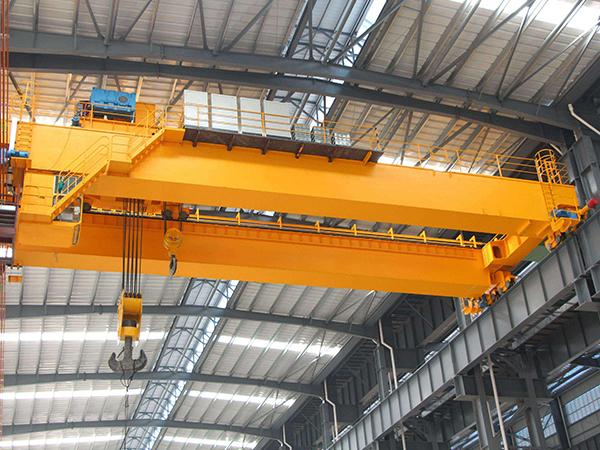
How to Safely Operate an Overhead Crane
Overhead cranes are essential industrial lifting equipment, and their proper operation directly impacts both personnel safety and equipment efficiency. This article systematically introduces the safe operation methods for overhead cranes, covering operational guidelines, hoisting mechanism operation principles, pre-operation preparations, safety precautions during operation, and post-operation measures.
General Operating Guidelines for Overhead Crane Operators
- Operators must be familiar with the crane’s structure, performance, working principle, and technical parameters. They should also understand the safety devices’ functions and proper operating methods. Apprentices or trainees must operate the crane under the supervision of a qualified operator, and solo operation is prohibited.
- Before powering up the crane, the operator should sound a bell for 3 to 5 seconds, confirm safety, and then follow the correct sequence to energize the crane. Safety devices must be checked, and operation with hidden hazards is strictly prohibited.
- During operation, operators should look around to ensure awareness of other cranes on the same track and the surrounding personnel. High-speed operation, collisions, and passing over important equipment or personnel are prohibited. If there are people or equipment in the path, the operator must sound a warning signal before proceeding.
- Operators have the right to refuse any illegal instructions, including refusing to lift if there are conflicting commands. However, emergency stop signals from any individual must be followed. The “Ten Prohibitions” rule must be strictly enforced.
- Before lifting, the operator should raise the load about 200mm to test the brake’s reliability. Lifting is only permitted when the load is more than 2 meters above the ground or 0.5 meters above any obstacles.
- When approaching the endpoint, both the main and trolley cranes should move slowly. Colliding with the safety stop block, reversing the crane’s direction abruptly, or using the limit device to stop the crane are prohibited.
- Lifting of flammable or explosive materials is strictly prohibited. Oxygen and acetylene bottles must be lifted with special lifting cages, and mixed loads should not be lifted together.
- During maintenance, the crane should be parked in a safe position, and the operator must follow the maintenance personnel’s instructions. Unauthorized disconnection of the power supply is forbidden. The operator must confirm the site is clear before initiating test runs.
- In case of power failure or a major accident, the operator should immediately stop the crane and notify the shift supervisor. Leaving the site is prohibited, and the operator must wait for further instructions.
- Personnel must communicate with the crane operator before boarding or disembarking the crane. The crane should be stationary before anyone enters or exits. It is prohibited to forcefully climb onto the crane or cross over vehicles.
- A thorough handover of the shift should take place, confirming the equipment’s operational status and signing off after both parties agree. The incoming operator should not start the shift without the proper handover.
The “Ten Prohibitions” of Overhead Crane Operation
- Do not lift if the command signal is unclear or illegal.
- Do not lift if the load is overloaded or its weight is unclear, such as when the load exceeds the 5-ton capacity of a 5t overhead crane.
- Do not lift if the load is improperly secured or tilted.
- Do not lift if there are people or floating objects above the load.
- Do not lift if the safety devices are malfunctioning.
- Do not lift if the load is buried underground.
- Do not lift in poor lighting conditions or when visibility is unclear.
- Do not lift if the load has sharp edges without protective measures.
- Do not lift if pulling or dragging the load in a crooked or skewed manner.
- Do not lift in unclear or dangerous conditions.
Hoisting Mechanism Operation Principles and Safety Techniques
- Hook Alignment: Before lifting, ensure that the hook is aligned with the center of gravity of the load. Adjust the trolley and hoist to center the load by moving the trolley and small trolley both horizontally and vertically.
- Smooth Lifting: After the hoisting rope is taut, check the load and surroundings. Lift the load slowly at first, then gradually increase the speed once the load is clear of any obstacles. Sudden starts or high-speed lifting are prohibited to avoid collisions or snapping the wire rope.
- Lifting Height: The load should be lifted at least 0.5 meters above the highest ground obstacle. It is prohibited to pass the load over people or equipment. If passing above personnel is necessary, a warning signal must be issued, and all personnel must clear the area before proceeding.
- Avoid Using Limiters for Power Off: The limit switch should not be used as an emergency stop for the power supply, and it is prohibited to cut off power while the motor is running under load.
- Placing the Load: When lowering the load, ensure it is aligned with the designated drop point. Continue lowering slowly as it approaches the ground. Do not release the load or disconnect the hook until the load is stable and the signal to release the hook is received.
Pre-Operation Preparations
- Inspect the crane’s appearance and structure for any damage, and report any anomalies promptly for repair.
- Ensure the electrical system and control system are stable and reliable.
- Verify that safety devices such as limit switches and overload protectors are functioning properly.
- Check that all working mechanisms (main crane, trolley, hoisting mechanisms) operate smoothly.
- Confirm that safety labels and signs are intact and clearly visible. Update or add signs if necessary.
- Make sure that personnel are cleared from the operational area and that warning signs are in place.
Safety Precautions During Operation
- Operators must hold the proper certifications and be familiar with the crane’s structure and principles.
- Always wear appropriate personal protective equipment, such as helmets and non-slip shoes.
- Do not carry flammable, explosive, or toxic materials during operation, and keep the work area clean and organized.
- Strictly follow the operating procedures and refrain from exceeding the crane’s rated load or operating in an unsafe manner.
- Confirm the weight and lifting points of the load and use suitable lifting equipment.
- Stay focused during operation; avoid chatting, distractions, or multitasking.
- Maintain good communication with the signal person to ensure accurate and safe crane movements.
- Do not adjust limit switches or ignore overload alarms during operation.
- The crane should not be handed over to other personnel without proper authorization. The operator is responsible for the operation and its outcome.
Post-Operation Safety Measures
- Immediately cut off the power supply after completing the operation.
- Return the crane to its designated position, ensuring it remains clean and orderly.
- Keep maintenance records, promptly replace worn-out parts, and report any issues.
- Any operational accidents or issues must be reported immediately, and investigations should be conducted to prevent recurrence.
Conclusion
The safe operation of overhead cranes is crucial to prevent accidents and ensure the safety of both personnel and equipment. Strict adherence to operational guidelines, a strong sense of responsibility, and attention to operational details are essential duties for every overhead crane operator.

