

How To Turn On A Generator

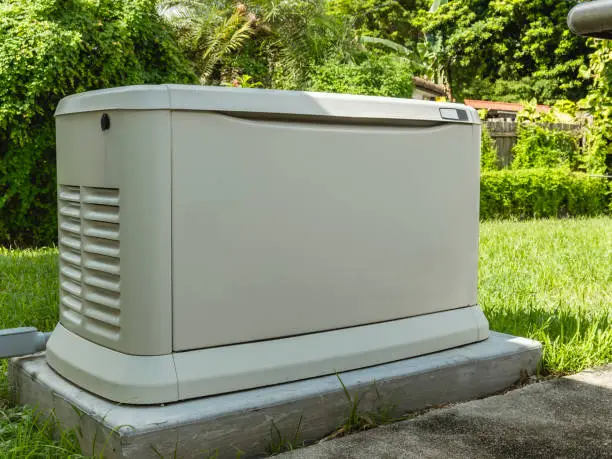
A generator is a useful backup power source during blackouts or when electricity is unavailable. Knowing how to switch it on safely ensures you get reliable power without damaging the machine or risking accidents. Whether you are using a portable or standby generator, the process is simple once you follow the right steps. Here is how to turn on a generator.
- Check the Fuel and Oil Levels
Before turning on the generator, make sure there is enough fuel and the oil level is adequate. Running a generator without oil can damage the engine, while low fuel may cause it to shut down unexpectedly.
- Place the Generator in a Safe Location
Set the generator on a flat surface outdoors, away from doors and windows. Proper ventilation is important to prevent dangerous carbon monoxide buildup. Never use a generator inside the house or garage.
- Disconnect All Electrical Loads
Ensure that no appliances or cables are plugged into the generator before starting it. This prevents overloading the machine during startup.
- Switch On the Fuel Valve
Most generators have a fuel valve that controls the flow of petrol or diesel to the engine. Turn it to the “On” position to allow fuel flow.
- Turn On the Choke
If the engine is cold, set the choke lever to the “On” or “Closed” position. This helps the engine start smoothly. Once the generator is running, move the choke back to “Off” or “Open.”
- Start the Engine
Depending on the model, pull the recoil starter (for manual generators) or press the electric start button if your generator has one. The engine should start running after a few attempts.
- Plug In Appliances Safely
Once the generator is running steadily, plug in your appliances or connect it to your transfer switch if powering your home. Always avoid overloading the generator.
- Monitor While Running
Keep an eye on fuel levels and avoid running the generator for excessively long periods without a break. Regular checks help maintain safety and efficiency.
Also Read: How To Trade Online

