

How To Use Power Inverter At Home

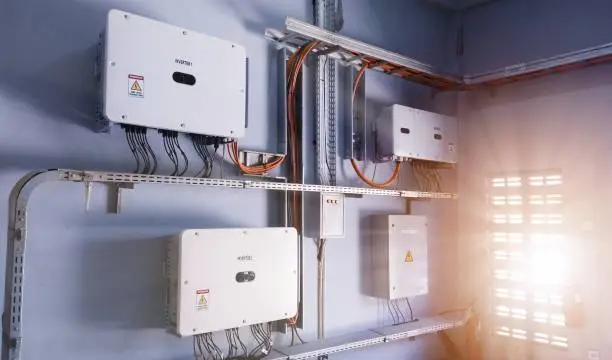
A power inverter is a useful device that converts direct current (DC) from a battery into alternating current (AC), which is the type of electricity most home appliances use. It becomes handy during power outages or in areas with unreliable electricity supply. Knowing how to properly use a power inverter ensures safety, efficiency, and longer life for both the inverter and your appliances. Here is how to use power inverter at home.
- Understand the Basics of a Power Inverter
Before using a power inverter, familiarize yourself with how it works. It draws power from a battery, usually 12V or 24V, and converts it to AC to run lights, TVs, computers, or small kitchen appliances. Larger inverters can even power fridges and pumps, depending on their capacity.
- Choose the Right Inverter Size
Inverters come in different sizes measured in watts. To select the right one, calculate the total wattage of the devices you want to power. For example, a 300W inverter may run a laptop and light bulbs, while a 2000W inverter can support larger appliances. Always choose an inverter slightly bigger than your needs.
- Connect the Inverter to a Battery
A power inverter does not work on its own; it needs a battery. Use strong cables to connect the inverter to the battery terminals—red cable to positive and black cable to negative. Make sure the connections are tight to avoid sparking or overheating.
- Position the Inverter Properly
Place the inverter in a cool, dry, and well-ventilated area. Avoid covering it or placing it near heat sources. Good airflow prevents overheating and extends its life.
- Switch On the Inverter
Once connected, switch on the inverter. It will begin converting DC power from the battery to AC power that you can use at home. Most inverters have an indicator light or digital display to show that they are working.
- Plug in Your Appliances
Connect your home devices to the inverter using the AC outlets provided. Start with low-power items like lights and gradually add others. Avoid plugging in heavy appliances such as air conditioners or heaters unless your inverter has a high wattage rating.
- Monitor Battery Usage
The inverter depends on battery power, so keep track of how much charge is left. Over-draining the battery can damage it. If possible, use a deep-cycle battery designed for long discharges. Recharge the battery using electricity, a solar panel, or a generator when needed.
- Practice Safety Measures
Never overload the inverter with more devices than it can handle. Keep liquids away, and ensure children do not tamper with it. Turn off the inverter when not in use to save battery power.
- Maintain Regularly
Check the cables and terminals often for corrosion or loose connections. Clean dust around the inverter and ensure fans are working well. Proper maintenance ensures reliable performance during blackouts.
Also Read: How To Use Meat Tenderiser