How to Wash Rust Off Metal

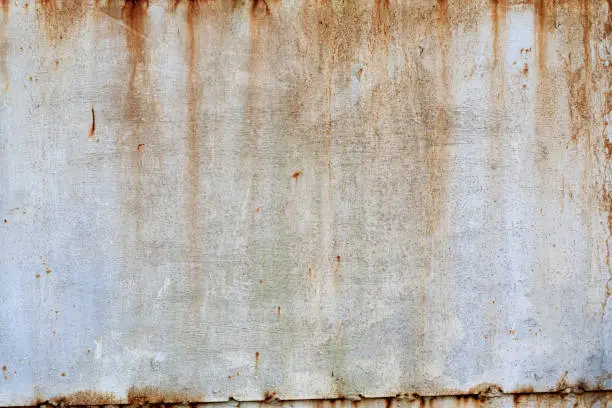
Knowing how to wash rust off metal can help you restore rusty tools, gates, metal furniture, cookware, car parts, and other metal surfaces without spending money on expensive cleaning products. Rust forms when metal reacts with moisture and oxygen, leaving behind reddish-brown stains that can weaken and damage the surface over time. Fortunately, you can remove rust using simple household products such as white vinegar, baking soda, lemon juice, salt, and a wire brush.
-
Identify the Rusty Metal Surface
Before washing rust off metal, inspect the affected area to determine how severe the corrosion is. Light rust usually appears as orange or brown stains, while severe rust may cause the metal to become rough, flaky, or weakened. Understanding the condition of the metal helps you choose the appropriate cleaning method without causing unnecessary damage.
-
Remove Loose Rust and Dirt
Use a dry cloth, stiff brush, steel wool, or sandpaper to remove loose rust, dust, and debris from the metal. Scrub gently, especially if the metal has a painted, polished, or coated surface. Removing loose rust first makes it easier for cleaning solutions to reach the remaining corrosion.
-
Use White Vinegar to Dissolve Rust
White vinegar is one of the easiest household products to use when removing rust from metal. For small metal objects, place them in a container filled with white vinegar and allow them to soak for several hours, depending on the amount of rust. For larger metal surfaces, soak a cloth in vinegar and place it over the rusty area. Scrub the metal afterward using a brush to loosen the remaining rust.
-
Wash Metal Using Baking Soda
Baking soda can help remove light rust and loosen dirt from metal surfaces. Mix baking soda with a small amount of water to create a thick paste. Apply the paste to the rusty area and leave it for about 30 minutes before scrubbing with a brush or sponge. Rinse the metal thoroughly with clean water to remove the residue.
-
Use Lemon Juice and Salt
Lemon juice contains natural acids that can help break down rust, while salt provides mild abrasive action. Sprinkle salt over the rusty surface and squeeze lemon juice onto it. Leave the mixture for approximately 30 minutes to one hour, then scrub using a brush or rough cloth. Rinse the metal with clean water and dry it thoroughly.
-
Scrub the Metal Thoroughly
After applying your chosen rust-removal solution, scrub the surface using a wire brush, steel wool, or abrasive sponge. Pay attention to corners, grooves, joints, and other areas where rust may remain trapped. For stubborn rust, repeat the cleaning process until the surface is free from visible corrosion.
-
Rinse and Dry the Metal Completely
Once the rust has been removed, rinse the metal with clean water to eliminate any remaining vinegar, lemon juice, baking soda, or loosened rust particles. Use a clean, dry towel to wipe the surface and allow it to air-dry completely. Leaving metal wet can encourage rust to form again, especially when exposed to moisture.
-
Apply Oil or Protective Coating
To prevent rust from returning, apply a thin layer of protective oil, metal polish, rust-resistant paint, or another suitable protective coating. Metal tools can be coated with light machine oil, while outdoor metal surfaces may benefit from primer and rust-resistant paint. Keep cleaned metal away from excessive moisture and store tools in dry conditions.
Also Read: How to Wash Your Hands Properly