How to Wash Your Hands Properly

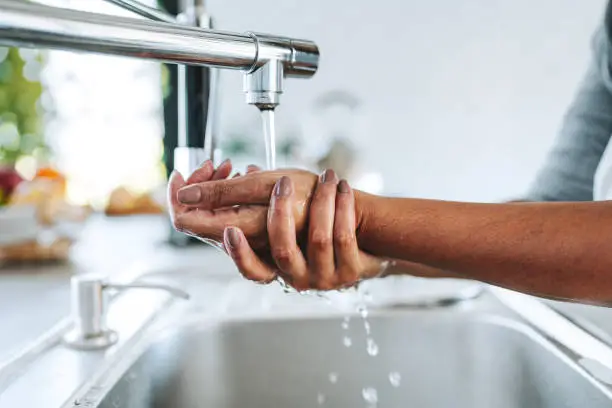
Knowing how to wash your hands properly is one of the most effective ways to prevent the spread of germs, bacteria, viruses, and infections. Throughout the day, your hands come into contact with money, phones, door handles, food, surfaces, and other objects that may carry harmful microorganisms. Washing your hands with soap and clean running water helps remove dirt, oils, and germs that can enter your body when you touch your face, eat, or prepare food. Proper handwashing is an essential hygiene practice that protects you and the people around you.
-
Wet Your Hands with Clean Running Water
Start by turning on a clean water tap and wetting your hands thoroughly with clean running water. Use lukewarm or cold water, ensuring that your palms, the backs of your hands, fingers, and wrists are wet.
Water helps loosen dirt and prepares your hands for cleaning. Avoid touching the sink unnecessarily after wetting your hands, especially if it is visibly dirty.
-
Apply Soap to Your Hands
Apply enough soap to cover all surfaces of your hands. You can use liquid soap or bar soap, provided it is clean and suitable for handwashing.
Soap helps break down grease, oils, dirt, and microorganisms on your skin, making them easier to remove during rinsing. Do not rely on water alone when washing your hands because soap makes the cleaning process more effective.
-
Rub Your Palms Together
Rub your palms together firmly to spread the soap and create a lather. Continue rubbing for several seconds to ensure that both palms are properly cleaned.
This helps remove dirt, grease, and germs that may be present on the surfaces of your hands.
-
Clean the Backs of Your Hands
Place one palm over the back of the opposite hand and rub between the fingers. Repeat the process with the other hand.
The backs of your hands are often overlooked during washing, yet they can collect dirt and germs through contact with different surfaces.
-
Wash Between Your Fingers
Interlace your fingers and rub them together to clean the spaces between them. Move your fingers back and forth to ensure that soap reaches all the areas between your fingers.
These spaces can easily trap sweat, dirt, and microorganisms, particularly after handling food, working outdoors, or touching contaminated surfaces.
-
Clean Your Thumbs and Fingertips
Wrap your opposite hand around each thumb and rub it in a circular motion. Repeat this process for both thumbs.
Next, rub your fingertips against the opposite palm using circular movements. Pay attention to your fingernails, nail edges, and fingertips because these areas frequently come into contact with food, objects, and surfaces.
If your fingernails are long, use a clean nail brush when necessary to remove dirt underneath them.
-
Continue Washing for at Least 20 Seconds
Scrub all parts of your hands with soap for at least 20 seconds. This ensures that you give enough attention to your palms, backs of hands, fingers, thumbs, fingertips, and wrists.
You can estimate 20 seconds by humming the “Happy Birthday” song twice. Avoid rushing the process because briefly rubbing your hands with soap may not remove dirt and germs effectively.
-
Rinse Your Hands Thoroughly
Place your hands under clean running water and rinse away all the soap. Rub your hands gently as the water flows over them to remove remaining dirt and soap residue.
Ensure that your hands are completely rinsed, including between your fingers and around your wrists.
-
Dry Your Hands Properly
Use a clean towel, disposable paper towel, or an air dryer to dry your hands thoroughly. Avoid wiping your hands on dirty clothing because this may transfer germs back onto your skin.
If you are using a public washroom, a disposable paper towel can also help you turn off a tap or open a door when the surfaces may be contaminated.
-
Wash Your Hands at the Right Times
Handwashing is particularly important before preparing or eating food, after using the toilet, after changing diapers, after coughing or sneezing, after handling rubbish, after touching animals, and after caring for someone who is sick.
You should also wash your hands whenever they are visibly dirty and after returning home from public places.
Also Read: How to Wash Loose Coloured Clothes