


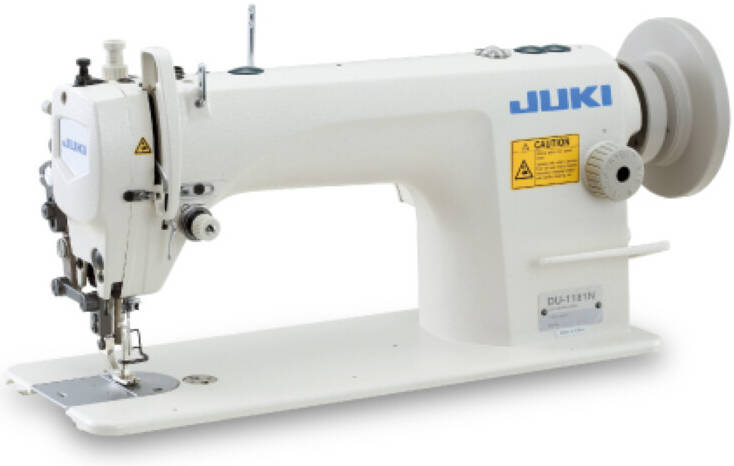
In the world of garment production, upholstery, and professional tailoring, equipment is not just a tool—it’s a partner in daily work. That’s exactly why the industrial sewing machine JUKI has earned such a strong reputation worldwide. Produced by JUKI, these machines are designed for people who sew hour after hour and need results they can trust.
Unlike hobby or household machines, a sewing machine JUKI industrial is engineered for real production environments. From small tailoring studios to large factories, JUKI machines are chosen because they simply keep working—smoothly, accurately, and consistently.
Designed for Professional Use, Not Occasional Sewing
A professional sewing machine JUKI feels different the moment you start sewing. The machine runs steadily, the stitches stay even at high speed, and the motor doesn’t struggle with thick or layered materials. This is why JUKI industrial sewing machines are commonly found in:
- Garment manufacturing units
- Fashion design studios
- Upholstery and furniture workshops
- Leather goods and denim production
For businesses that depend on efficiency, a JUKI commercial sewing machine helps reduce downtime and operator fatigue, while improving overall stitch quality.
Technology That Supports the Operator
Modern JUKI industrial sewing machines are not just fast—they’re smart. Many models come equipped with automatic features that make daily work easier:
- Automatic thread trimming for cleaner finishes
- Preset stitch patterns for consistency
- Servo motors for energy savings and quiet operation
- Smooth fabric feeding for delicate or heavy materials
An advanced JUKI industrial automatic sewing machine allows operators to focus on craftsmanship instead of constant adjustments, which is especially valuable in high-volume production.
Models and Price Considerations
When customers research the price of JUKI industrial sewing machines, they often discover a wide range of options. Basic lockstitch models are ideal for workshops just starting out, while advanced automated machines suit large-scale operations. The JUKI sewing machine price depends on:
- Machine type (lockstitch, overlock, flatlock, etc.)
- Level of automation
- Motor technology and control panel features
Because of this variety, many buyers compare JUKI sewing machines prices before deciding which model best fits their production needs and budget.
Buying with Confidence
If you’re planning to buy a JUKI industrial sewing machine, purchasing from an authorized dealer is essential. This ensures you receive an original JUKI sewing machine, proper installation, and access to spare parts and service. Whether you’re looking for a JUKI sewing machine for sale locally or through a trusted supplier, after-sales support is just as important as the machine itself.
Many professionals prefer new JUKI industrial sewing machines because they offer the latest technology, better efficiency, and long-term reliability—qualities that quickly justify the investment.
More Than a Machine—A Long-Term Investment
What truly sets JUKI apart is longevity. It’s common to find a JUKI sewing machine still running smoothly after years of daily use. For professionals, that reliability translates into stable production schedules, consistent quality, and satisfied customers.
In short, choosing an industrial sewing machine JUKI is not just about speed or features—it’s about peace of mind. When your business depends on every stitch, JUKI delivers the confidence that your machine will keep up with your ambition.
Email your news TIPS to Editor@Kahawatungu.com — this is our only official communication channel
