

Inside a Complete Lumber Yard: Products, Support, and Expertise

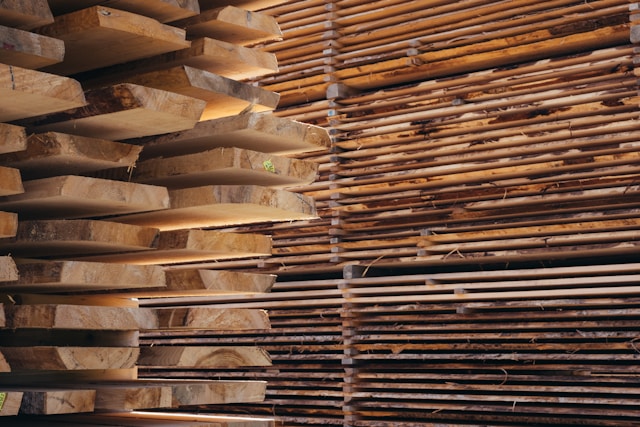
Inside a Complete Lumber Yard
A complete lumber yard brings order to a job before the first board is cut. Builders need correct materials, reliable timing, and guidance from people who understand how structures go together. Homeowners need plain explanations and dependable choices. From framing lumber to doors, windows, decking, panels, trim, and hardware, a well-run yard helps each project move with fewer surprises and better control.
Local Supply Matters
For building activity across northeastern Oklahoma, a lumber yard near Tulsa supports material planning tied to regional codes, weather exposure, delivery distance, and common construction practices. Local supply knowledge helps crews prepare for heat, wind, moisture, and scheduling pressure. It also keeps orders focused on products that contractors already know and trust.
Core Lumber Products
Framing material sets the strength and shape of most structures. Stock often includes Douglas fir, Southern Yellow Pine, treated boards, engineered wood, plywood, pine, and oriented strand board. Selection should account for span, load, grade, moisture exposure, and fastening method. Good guidance prevents costly waste and helps crews buy what the job actually requires.
Panels and Sheet Goods
Panels do much of the hidden structural work. Plywood and oriented strand board support roofs, walls, subfloors, bracing, and sheathing. Thickness, exposure rating, edge profile, and span rating all affect performance. Organized storage matters as well. Straight stacks, readable labels, and dry handling help crews move faster when pickup windows are tight.
Exterior Materials
Exterior products protect a structure from weather, impact, and long-term wear. Siding, trim, decking, fencing, roofing, cement products, and exterior doors must be chosen with exposure in mind. Color, profile, substrate, coating, and installation method should work together. Careful coordination reduces mismatched pieces, delayed crews, and extra trips after work has started.
Interior Finish Products
Interior materials shape how a finished space looks, feels, and functions. Drywall, insulation, molding, doors, cabinets, closet systems, hardware, and tools all need accurate counts. Buying related items from a single source can reduce missed parts. It also helps installers keep momentum because hinges, trim lengths, fasteners, and panels arrive with fewer gaps.
Doors and Windows
Doors and windows require careful measurement before ordering. Width, height, jamb depth, swing direction, glass package, finish, and energy performance all affect fit. Options may include steel, fiberglass, wood, storm, patio, and French doors. Window selections can include vinyl, wood, or fiberglass units, depending on budget, opening size, and thermal needs.
Estimating Support
Estimating turns drawings into practical purchasing decisions. A good takeoff identifies framing counts, panel quantities, trim footage, connectors, and staged delivery needs. Accurate lists reduce overbuying, emergency orders, and budget strain. They also help builders discuss scope with clients using numbers that reflect the actual project, not rough guesswork.
Delivery and Pickup
Delivery quality affects labor productivity. Materials should arrive when crews can receive them, then be placed where handling stays efficient. Organized dispatch helps coordinate truck access, load order, site conditions, and placement instructions. Pickup still matters for smaller orders, repairs, and urgent needs. Both options support a better rhythm on the job site.
Special Orders
Some projects call for sizes, species, colors, profiles, or product lines that are not stocked every day. Special orders cover those needs. They may include custom doors, window units, molding patterns, decking systems, cabinet pieces, or selected hardware. Clear lead times, written approvals, and substitution notes prevent confusion before deadlines become urgent.
Billing Clarity
Construction billing needs accuracy because material orders often change. Clear invoices help contractors compare quotes, deliveries, backorders, returns, and credits. Timely statements also make client updates easier. When builders handle order records carefully, they spend less time sorting paperwork and more time managing labor, schedule, and quality in the field.
Product Knowledge
Experienced yard staff can spot issues before they reach the jobsite. They may explain grade differences, treated lumber use, connector compatibility, engineered wood limits, and moisture concerns. That advice matters because every project balances cost, schedule, strength, appearance, and durability. Practical product knowledge helps buyers make decisions with fewer corrections later.
Contractor Support
Professional builders need consistent systems. Credit accounts, dependable stock, clear quotes, packaged orders, and steady communication all matter across repeated jobs. Larger crews may need staged loads for multiple sites. Remodelers may need fast answers and flexible pickup. A complete yard supports both groups by making material flow predictable.
Homeowner Support
Homeowners often face unfamiliar choices during major improvements. Decking, fencing, roofing, insulation, doors, cabinets, and hardware often involve trade-offs. Helpful staff explain cost, upkeep, durability, finish, and installation basics in plain language. That support lets families choose materials with confidence, especially when a project affects daily comfort and long-term property value.
Conclusion
A full-service lumber yard plays a practical role in successful building work. Its value comes from deep product selection, accurate estimating, dependable delivery, clear billing, and informed support. Lumber, panels, doors, windows, finishes, hardware, and special orders all perform better when chosen with care. With the right supply partner, construction feels less fragmented and much easier to manage.