


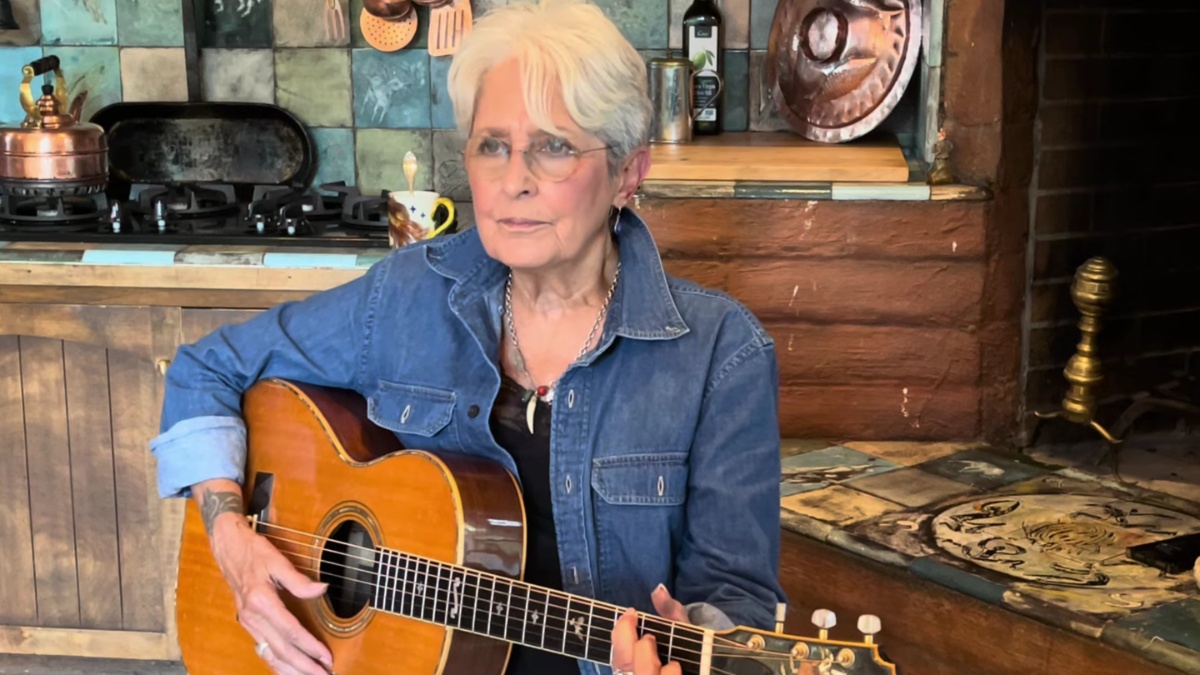
Joan Baez is an American folk singer, songwriter, and activist whose career has spanned over six decades.
Born on January 9, 1941, in Staten Island, New York, she emerged as a leading voice in the 1960s folk music revival, known for her pure, crystalline soprano and unwavering commitment to social justice.
Baez’s music often blended traditional folk ballads with contemporary songs, addressing themes of peace, civil rights, and human dignity.
Beyond her musical contributions, she is recognized for her activism, marching alongside Martin Luther King Jr., protesting the Vietnam War, and advocating for causes like environmental justice and nonviolence.
Siblings
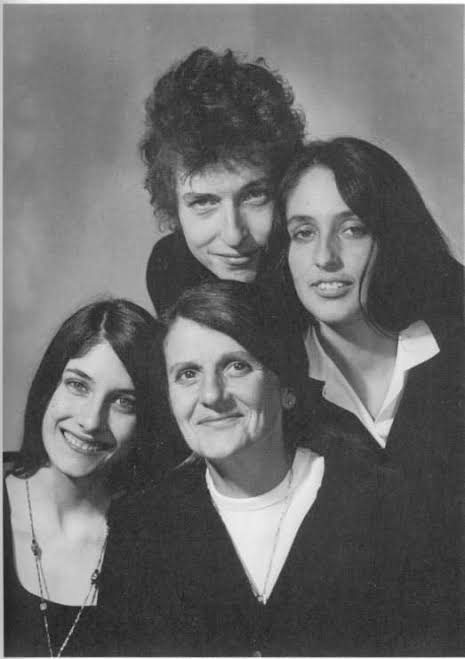
Joan is the second of three daughters. Her older sister, Pauline Baez, was born in 1938 and pursued a quieter life, largely staying out of the public eye.
Pauline married artist Brice Marden in 1960, and the couple had a daughter, Mirabelle, before divorcing. Pauline later worked in education and community organizing but passed away in 2016.
Joan’s younger sister, Mimi Baez Fariña, born in 1945, was also a musician and activist.
Mimi performed as part of a folk duo with her husband, Richard Fariña, until his tragic death in a motorcycle accident in 1966.
Mimi continued her work in music and founded Bread and Roses, a nonprofit that brings free live performances to people in institutions like prisons and hospitals.
Mimi died in 2001 of cancer.
Also Read: Chad Michael Murray Siblings: A Closer Look at the Actor’s Family Tree
Career
Baez’s career began in the late 1950s when she performed at the Club 47 in Cambridge, Massachusetts, captivating audiences with her emotive voice and guitar.
Her self-titled debut album, released in 1960, featured traditional folk songs and established her as a folk music prodigy.
Throughout the 1960s, she released a string of albums, including Joan Baez, Vol. 2 and In Concert, blending folk standards with songs by emerging songwriters like Bob Dylan, whom she helped introduce to wider audiences.
Her performances at the Newport Folk Festival and her presence at civil rights marches cemented her as a cultural force.
Over the decades, Baez evolved musically, incorporating rock, pop, and country elements, as seen in albums like Diamonds & Rust (1975), which featured her iconic title track.
She continued to tour and record into the 21st century, with her final studio album, Whistle Down the Wind (2018), marking a reflective capstone to her career.
Baez also painted, wrote memoirs, and remained active in global human rights causes, maintaining her relevance as an artist and advocate.
Accolades
Baez received the Grammy Lifetime Achievement Award in 2007, recognizing her impact on folk music and culture.
In 2017, she was inducted into the Rock and Roll Hall of Fame, celebrated for her role in shaping modern music and her fearless activism.
Baez has also been awarded the Kennedy Center Honors in 2021 for her lifetime contributions to American culture.
Internationally, she received the Legion of Honor from France in 2011 for her human rights work.
Email your news TIPS to Editor@Kahawatungu.com — this is our only official communication channel
