

Kenya Certified By WHO For Eliminating Sleeping Sickness As A Public Health Problem

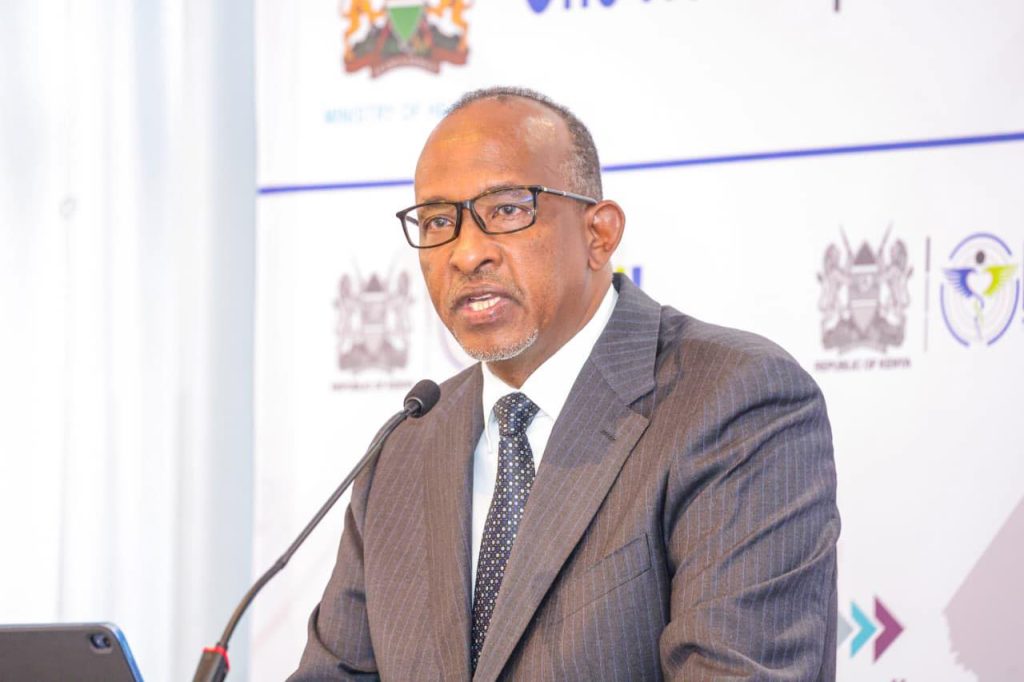
Kenya has achieved a major health milestone after the World Health Organization (WHO) confirmed the country has eliminated Human African Trypanosomiasis (HAT)—commonly known as sleeping sickness—as a public health problem.
This marks the end of a disease that has threatened communities for more than a century, especially in Busia, Bungoma, Siaya, Homa Bay, Migori, and Narok counties, where over seven million people were once at risk. The first recorded case was in 1901, and the first documented diagnosis in Samia was in 1942.
Speaking at a ceremony themed “One Health | One Fight | Towards a Sleeping Sickness-Free Kenya”, Health Cabinet Secretary Aden Duale said the achievement shows the power of strong policy, community involvement, and effective disease control.
“This milestone, over a century since the first case, reflects the success of bold policies, committed health workers, and the vigilance of communities,” he said. “With no local cases since 2009, WHO’s recognition confirms our progress towards Universal Health Coverage and strong disease surveillance.”
Duale praised the work of health workers, the national expert committee, livestock and wildlife sectors, WHO, the Pan African Tsetse and Trypanosomiasis Eradication Campaign (PATTEC), and local communities.
He called for continued efforts to prevent the disease from returning, including strong surveillance, early detection, community education, and integration of HAT services into primary health care.
The CS linked the milestone to Kenya’s broader health security goals, saying the systems used to fight sleeping sickness will now help prepare for future threats such as outbreaks, cross-border health crises, and pandemics.
Kenya is also investing in the National Public Health Institute (NPHI) to improve surveillance and rapid response, and is participating in global talks on the Pandemic Treaty.
“Through these investments and our active role in global health discussions, we are ready to detect, respond to, and prevent future health threats,” Duale said.

