

Kenya confirms ninth Ebola case as 134 contacts are traced

Kenya confirms third Ebola case as 127 contacts quarantined
Kenya has confirmed one additional case of Bundibugyo virus disease, bringing the total number of confirmed Ebola cases to nine, with the Ministry of Health reporting no evidence of transmission beyond a single known cluster.
In an update issued on Monday, October 20, Director-General for Health Dr Patrick Amoth said the latest patient, a 24-year-old man and close family member of the index case, tested positive on October 19 after developing symptoms while in quarantine.
The patient was isolated at the first sign of illness, tested and immediately started on treatment following confirmation of the infection.
The first patient died, while the remaining eight are receiving supportive care and are reported to be stable and responding well to treatment.
The Ministry said it had also received 500 doses of medicines to support the management of confirmed cases, thanking development partners for their continued support.
Contact tracing reaches 99.3 per cent
Contact tracing efforts have intensified as health officials continue identifying and monitoring people who may have been exposed to the virus.
According to Dr Amoth, 134 of the 135 identified contacts have been traced and quarantined, representing 99.3 per cent coverage.
The ministry attributed the progress to the efforts of national and county surveillance teams, cooperation from affected families and communities, and support from development partners.
Officials said the number of contacts has continued to increase as new cases are confirmed and their close contacts are added to the monitoring list.
Despite the additional case, the ministry maintained that all nine infections are linked to the same cluster, with no evidence of transmission outside the group.
Hospitals and counties receive emergency supplies
The government has distributed emergency supplies to 12 very high-risk counties and 16 high-risk counties to strengthen preparedness and response.
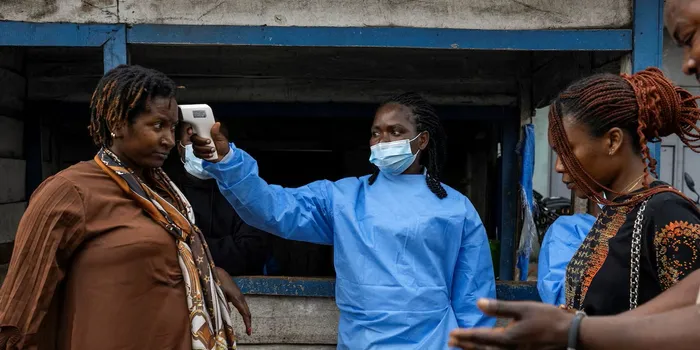
The supplies include personal protective equipment such as gowns, gloves, face shields and boots, alongside sample collection and transportation kits, diagnostic kits and thermometers.
The equipment is intended to help county rapid response teams promptly detect, isolate and safely test suspected cases.
The ministry has also established a dedicated laboratory at the Kenyatta National Hospital Infectious Disease Unit to handle routine tests for patients receiving Ebola care.
The move is intended to prevent Ebola-related testing from overwhelming or contaminating the hospital’s main laboratory, allowing other diagnostic services to continue without disruption.
Health officials said infection prevention and control measures in quarantine and treatment centres are under continuous assessment, with gaps addressed as they arise.
The ministry further reported no transmission within quarantine facilities and said healthcare workers caring for patients were adequately protected.
Kenya rules out travel restrictions
The government said Kenya remains open, with no restrictions imposed on travel, trade or public gatherings as a result of the outbreak.
Kenyans have been urged to follow official health guidance and report suspected symptoms, including fever, unusual tiredness, muscle or joint pain, sore throat, vomiting, diarrhoea or unexplained bleeding.
Anyone experiencing the symptoms, or who knows someone who may be affected, has been advised to seek help at the nearest health facility or call the toll-free number 719.
First contacts set to leave quarantine
The ministry said contacts who entered quarantine on October 6 and remain symptom-free are expected to complete their 21-day monitoring period and begin returning home from October 25.
Dr Amoth appealed to communities to receive those completing quarantine without stigma, noting that people who have completed the required 21-day period without developing symptoms pose no risk of infection from that exposure.
He thanked the affected individuals and their families for their patience and cooperation, describing their participation as an important contribution to protecting their communities and the country.
The Ministry of Health said the response remains focused on containing the outbreak and preventing further transmission, expressing confidence that sustained cooperation will help bring the outbreak to an end.

