

Kenya Moves To Strengthen Health Supply Chain For Self-Reliance

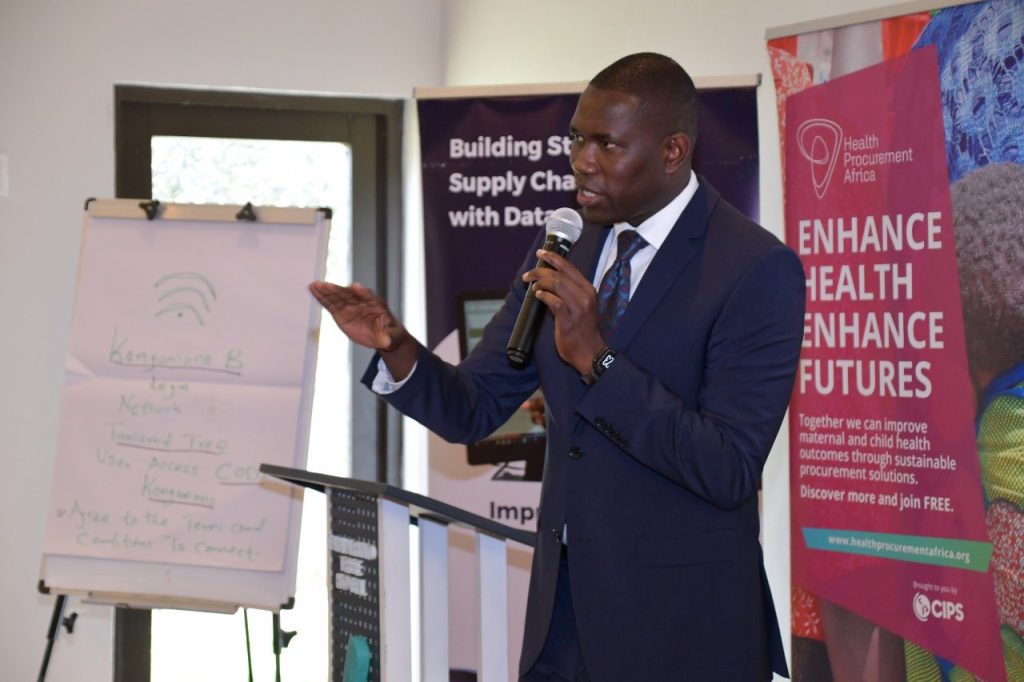
The government has announced new measures to strengthen Kenya’s health products and technologies (HPT) supply chain with a focus on self-reliance, sustainability, and efficiency.
Speaking at a high-level forum on health supply chains, themed “A Shift Towards Self-Reliance and Sustainability in Health Products and Technologies Supply Chain in Response to the Evolving Funding Environment,” the Principal Secretary for Medical Services, Dr. Ouma Oluga, outlined three main priorities.
These include improving procurement, warehousing, and last-mile delivery systems; reshaping the Kenya Medical Supplies Authority (KEMSA) to make distribution more efficient; and reducing the cost of medicines by expanding local pharmaceutical and medical technologies manufacturing.
Dr. Oluga said these steps are necessary as Kenya faces growing demand for health services, changes in global funding, and rising costs of medicines.
“Building self-reliance in health supply chains is not only a strategic necessity but a moral obligation. We must invest in local capacity, innovation, and partnerships to ensure every Kenyan has uninterrupted access to essential medicines and technologies,” he said.
During the forum, Dr. Oluga also launched the Standard Operating Procedures (SOPs) for Health Products and Technologies, which will streamline processes, strengthen accountability, and boost efficiency across the supply chain. He was joined by John Karani, Chair of the Kenya Institute of Supplies Management, and Dr. Tom Menge, Acting Head of the HPTs Directorate at the Ministry of Health.
The government is also rolling out digital supply chain systems through the Digital Health Agency to improve accountability, forecasting, and timely restocking. Dr. Oluga noted that Kenya is exploring public–private partnerships in warehousing and distribution, while pursuing pooled procurement to negotiate better prices.
“Strengthening local manufacturing is a central priority to reduce import dependency and promote economic growth,” he said.

