

Kenya Reaffirms Commitment To Ending Malaria At TICAD9

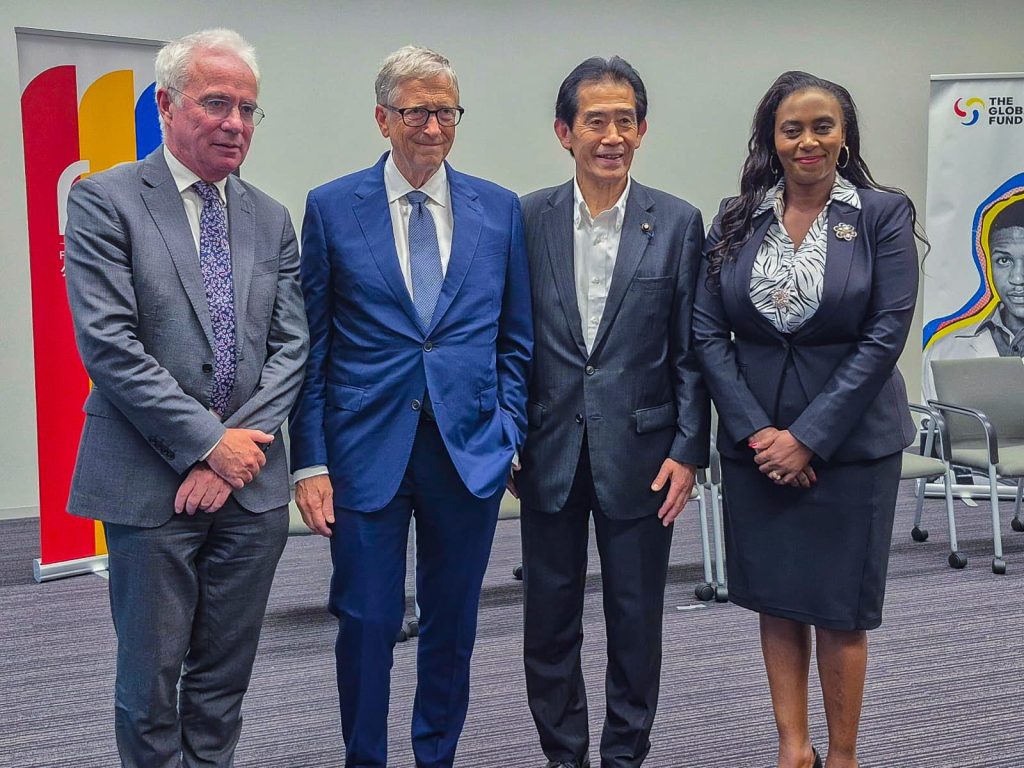
Kenya has reiterated its pledge to eliminate malaria and push Africa closer to a malaria-free future during the ongoing Tokyo International Conference on African Development (TICAD9).
Principal Secretary for Public Health, Mary Muthoni, outlined Kenya’s roadmap anchored on prevention and vector control, rapid diagnosis and treatment, robust surveillance, data-driven decision-making, and strong community engagement supported by resilient health systems.
“Innovation, technology transfer, and strong partnerships are the catalysts that will help us consign malaria to history. With Japanese innovation and African leadership, a malaria-free continent is within our reach,” she said.
Muthoni called for long-term, outcome-focused investments, capacity building, and strengthened surveillance and governance to sustain progress and ensure no one is left behind in the fight against malaria.
Health Cabinet Secretary Aden Duale also stressed the urgent need for sustainable health financing in Africa during a side event at TICAD9. He cautioned against Africa’s over-reliance on external aid, noting the need for innovative, country-owned financing models guided by the African Union’s Agenda 2063 and the African Health Strategy 2016–2030.
Sharing Kenya’s reforms, Duale said the country is focusing on three pillars: domestic resource mobilization, universal health coverage, and public–private partnerships.
He emphasized that sustainable health financing must be driven by greater domestic investment, innovative financing mechanisms, regional solidarity, accountability, and efficiency.
Calling for action beyond intent, Duale proposed Africa–Japan health financing accelerators to tap into Japan’s experience in universal health coverage. He noted that “sustainable health financing is both a moral and political imperative, vital for Africa’s health, security, and shared prosperity.”
Meanwhile, Kenya has reported strong progress in reducing infectious diseases. According to the Ministry of Health, more than 1.36 million people living with HIV are now on life-saving treatment—representing 98% of those diagnosed. Mother-to-child transmission of HIV has dropped from 14 percent to 7.2 percent in five years.
Malaria cases have also declined sharply since 2018, with a 30% drop in prevalence and a 40% reduction in malaria-related deaths between 2022 and 2023. This progress has been largely attributed to the distribution of over 45 million insecticide-treated mosquito nets nationwide.
Tuberculosis cases have decreased by more than a third since 2015, with the national treatment success rate now at 89%.
These achievements were highlighted during a pre-TICAD9 roundtable meeting between Kenyan officials and Japanese parliamentarians, attended by PS Muthoni and Director General for Health, Dr. Patrick Amoth.
“Our progress against HIV, TB, and malaria demonstrates what is possible when global solidarity meets national leadership. We must renew our commitment through co-investment, technology transfer, and sustained partnerships. We need concerted efforts for a future free from infectious diseases and Universal Health Coverage,” said Muthoni.

