

Kenya Records Sixth Ebola Recovery as One Patient Remains Under Treatment

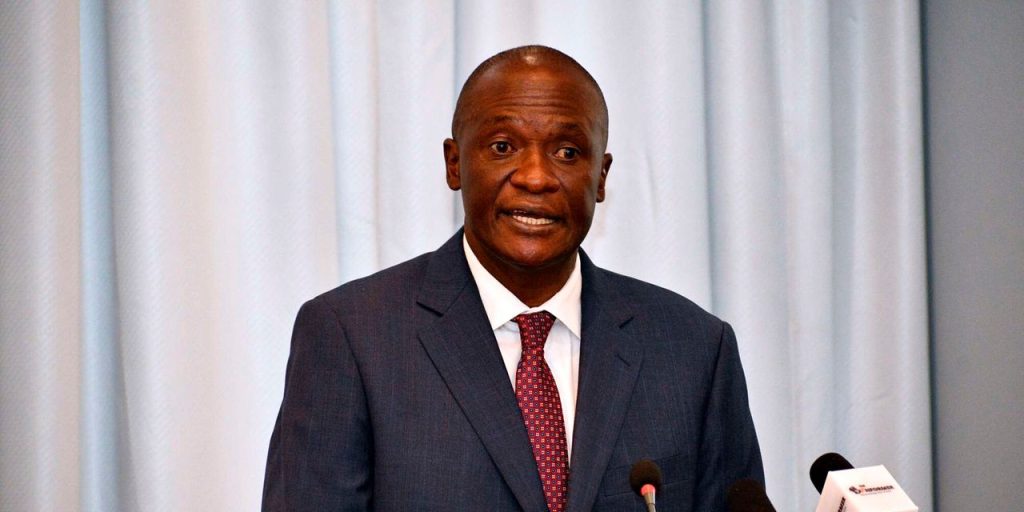
Ministry of Health (MoH), Acting Director General for Health Dr. Patrick Amoth makes his remarks during the launch of the Suicide Prevention Strategy at the Radisson Blu Hotel on August 2, 2022. The strategy launched will provide a framework for interventions to reduce the suicide mortality in the country as reported cases have been on an increase in the past few years. Picture by Francis Nderitu
Kenya has recorded another recovery from the Ebola outbreak, with only one patient remaining under treatment, the Ministry of Health has announced.
The latest development comes 32 days after the country confirmed its first imported case of Ebola, specifically the Bundibugyo virus disease, on October 6, 2026.
In a statement, Director-General for Health Dr Patrick Amoth said the sixth male patient had recovered after testing negative for the virus and meeting all the required criteria for discharge.
The patient was scheduled to be discharged on Friday, November 6, leaving only one person under medical care and close monitoring.
Amoth said no new case had been reported for 18 days, with the last confirmed infection recorded on October 19. The total number of confirmed cases remains nine, all linked to one known chain of transmission.
He added that there had been no community transmission, with all people who developed the disease after the initial case having already been under quarantine.
According to the Ministry, 66 contacts have completed the mandatory 21-day monitoring period and returned home, while the remaining 52 are expected to complete quarantine by November 11.
Amoth attributed the progress to the public health measures implemented to contain the outbreak, including early detection, isolation and treatment of patients, contact tracing, protection of health workers and safe burials.
“These results did not happen by chance. Kenya followed the proven steps that stop Ebola: find every case early, isolate and treat the sick, trace and monitor everyone they came into contact with, protect health workers, and bury the dead safely and with dignity,” Amoth said.
He noted that the outbreak would only be declared over after the last patient had been discharged from the treatment centre free of the virus, triggering a 42-day countdown.
The period is twice the maximum incubation period of the disease. If no new case is recorded during the 42 days, Kenya will officially declare the outbreak over in line with internationally agreed procedures.
Amoth, however, cautioned Kenyans against relaxing their vigilance, saying the country must maintain preventive measures until it is officially declared Ebola-free.
The Ministry thanked health workers, including doctors, nurses, laboratory personnel, surveillance teams and burial teams, for their role in managing the outbreak.
It also recognised the contributions of Community Health Promoters, Public Health Officers, county governments, Kenyatta National Hospital, The Nairobi Hospital, security agencies, religious and community leaders, and the media.
The government further acknowledged the support of international partners, including the World Health Organization (WHO), Africa Centres for Disease Control and Prevention (Africa CDC), UNICEF, the Intergovernmental Authority on Development (IGAD) and friendly governments.
Amoth also urged Kenyans to remain alert and report suspected cases, warning against discrimination towards recovered patients and people who had completed quarantine.
He advised the public to watch out for Ebola symptoms, including fever, weakness, muscle pain, vomiting, diarrhoea and unexplained bleeding, and seek medical attention promptly.
Kenyans were also urged to report sick people or unexplained deaths in their communities, avoid contact with the blood and other body fluids of sick people, and refrain from touching bodies of people who have died from unexplained illnesses.
Other preventive measures include regular handwashing with soap and water and avoiding the handling of sick or dead wild animals and their meat.
The Ministry said Ebola remained active in the region, warning that outbreaks in neighbouring countries could spread across borders.
Kenya will therefore continue screening travellers at all 26 points of entry. More than 760,000 travellers have been screened since the outbreak response began.
The government will also maintain emergency operations centres and rapid response teams in all counties to ensure suspected cases are identified and handled promptly.
Travellers have been asked to complete the electronic traveller surveillance form through the UHAI Chatbot before arrival, provide accurate information about any symptoms and report illness within 21 days of entering the country.
Health workers have also been directed to ask patients presenting with fever about their travel and contact histories while maintaining infection prevention and control measures.
Amoth said Kenya would continue working with neighbouring countries, the East African Community and Africa CDC to strengthen regional preparedness and prevent further transmission.
Despite the outbreak, the government said Kenya remained open, with no restrictions on travel, trade or public gatherings.
Members of the public can report suspected Ebola cases or seek information by calling the toll-free number 719 or using the Jali WhatsApp chatbot on 0700 719 719.
“We are close to the finish line. Let us stay alert, report early and keep working together until Kenya is declared Ebola-free and stays that way,” Amoth said.

