

Kenya Sets Up Ebola Isolation Centres

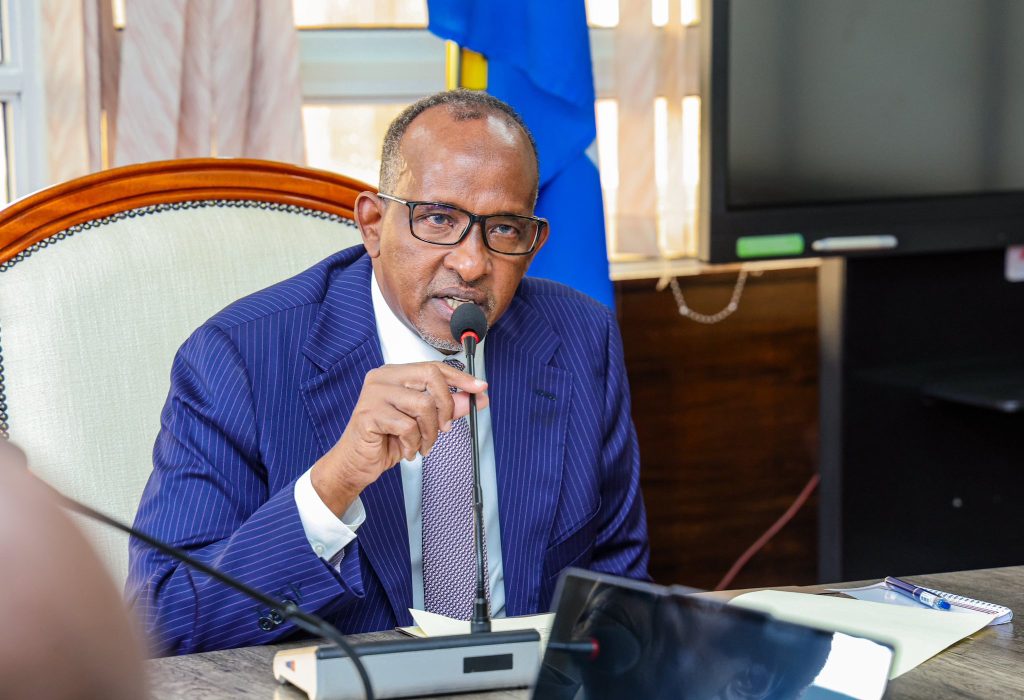
The government has established specialised Ebola isolation and treatment facilities at key hospitals across the country as part of efforts to strengthen Kenya’s preparedness against potential outbreaks, Health Cabinet Secretary Aden Duale has announced.
In a statement issued on Saturday, Duale said the ongoing Ebola outbreak in the Democratic Republic of Congo (DRC) serves as a reminder that infectious diseases can easily cross borders, requiring Kenya to remain vigilant.
Duale said the ongoing Ebola outbreak in the Democratic Republic of Congo is a reminder that infectious diseases do not respect national borders
He said as a regional hub for trade, travel, and commerce, Kenya must remain prepared to prevent, detect, and respond to public health threats before they reach our communities.
The Health CS said the government has moved beyond border screening and invested in preparedness systems to ensure the country can respond quickly should an Ebola case be detected.
“To strengthen this preparedness, the Government has established several dedicated isolation and treatment facilities, including specialized units at Kenyatta National Hospital, the Kenya National Police Hospital, and Moi Teaching and Referral Hospital,” he said.
According to Duale, additional response sites have also been identified in more than 10 high-risk border counties to facilitate a rapid and coordinated response in the event of an outbreak.
The government is also partnering with the United States to establish a similar facility at a military installation in Laikipia County. The project is expected to enhance disease surveillance, isolation capacity, emergency preparedness exercises and access to critical medical supplies.
The CS said the partnership further supports enhanced surveillance, diagnostic capacity, emergency preparedness exercises, critical medical supplies, and rapid response capabilities.
Duale noted that the investments would not only strengthen Kenya’s response to Ebola but also improve the country’s overall health security infrastructure.
“These investments will strengthen Kenya’s health security by improving laboratory capacity, healthcare infrastructure, disease surveillance, emergency response systems, supply chains, and workforce readiness beyond the current Ebola threat,” he said.
The Health CS pointed to lessons learned during the COVID-19 pandemic, when regional health facilities established with international support played a critical role in emergency response efforts.
“By strengthening critical health systems today, these investments will leave Kenya better prepared for future outbreaks and other public health challenges,” Duale said.

