

Kenya to Import 1 Million Bags of Maize as Deficit Forecast Hits 5.4 Million

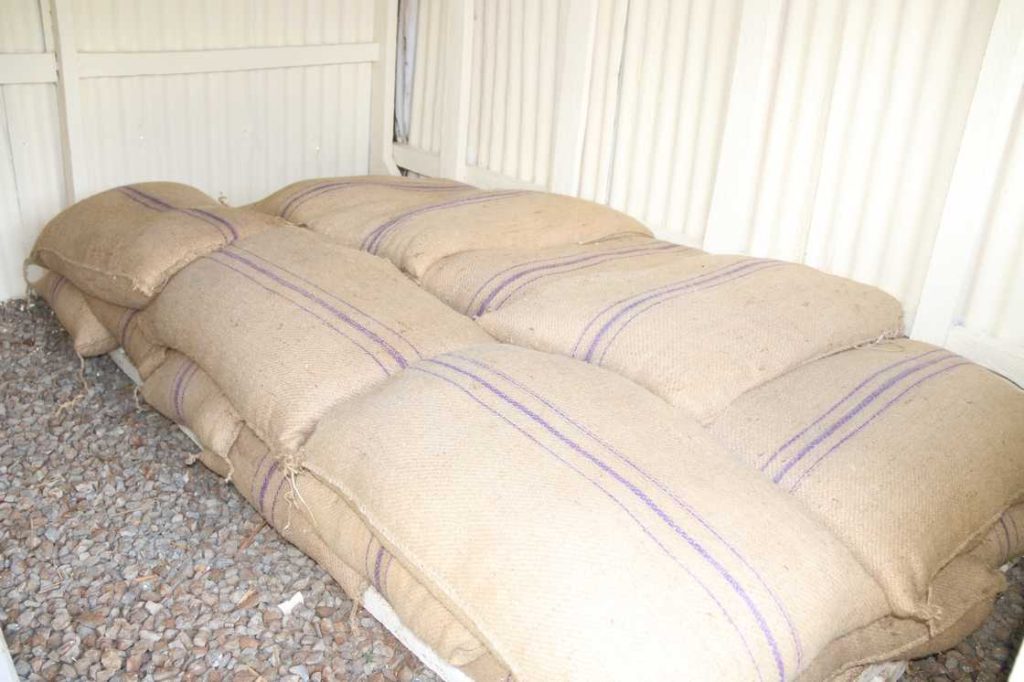
The Kenyan government is set to import one million 90-kilogram bags of maize to boost the country’s strategic reserves amid growing concerns over a looming supply shortage.
Agriculture Cabinet Secretary Mutahi Kagwe said the consignment will be directed to the national strategic reserves as the government moves to cushion the country against an anticipated maize deficit.
Kagwe projected that Kenya could face a shortage of 5.4 million bags of maize by the end of next month, raising concerns over food security and the potential impact on prices.
The anticipated deficit comes after depressed rainfall in some of the country’s major maize-growing regions, particularly the North Rift, where farmers have reported crops withering in the fields.
The poor weather has raised fears of significant losses for farmers, with the damage potentially running into billions of shillings if the situation persists.
Kenya consumes between 50 million and 60 million 90-kilogram bags of maize annually, making the crop one of the country’s most important food staples.
However, local production remains below national demand, with farmers producing between 34 million and 42 million bags in a typical year.
The country’s high maize consumption is partly attributed to a per capita consumption rate of about 103 kilogrammes, increasing pressure on local supplies and forcing Kenya to rely on imports whenever domestic production falls short.
The government’s decision to import additional maize is therefore expected to help bridge the immediate supply gap and strengthen the strategic reserves ahead of a potentially difficult period for consumers.
The situation could become more challenging if weather conditions deteriorate further in the coming months.
Experts have warned of the possibility of an El Niño phenomenon, which could bring heavy rainfall and flooding in parts of the country. Such conditions could cause further damage to crops, particularly in areas already affected by erratic weather.
The government will therefore face the challenge of balancing maize imports with the need to protect local farmers from market disruptions while ensuring adequate supplies for consumers.
A shortage of maize could also push up prices, particularly if demand continues to outpace available supplies.
The price of a 90-kilogram bag of maize currently ranges between Sh3,000 and Sh4,500 in Kenya, depending on the market and prevailing supply conditions.
However, prices could rise if production declines further and the anticipated deficit widens.
Kenya last experienced exceptionally high maize prices in 2022, when the cost of a 90-kilogram bag reached about Sh6,000.
The surge at the time was attributed to severe drought, inadequate supplies and high agricultural input costs, which affected both production and availability.
The latest import plan is expected to provide some relief by increasing government-held stocks and ensuring the country has adequate reserves in case local supplies fall below consumption requirements.

