

KICD cites policy, funding and legal gaps as key challenges in delivering its mandate

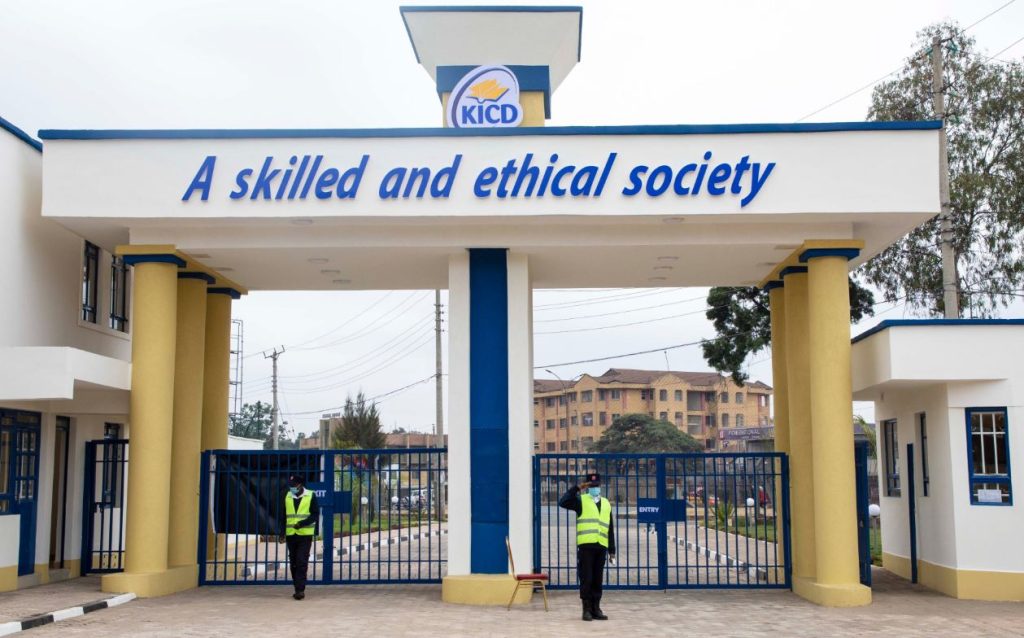
The Kenya Institute of Curriculum Development (KICD) has identified policy, financial and legislative gaps as some of the major challenges affecting the effective implementation of its mandate.
Appearing before the National Assembly Departmental Committee on Education, KICD Chief Executive Officer Prof. Charles Ong’ondo said the institute requires a clear government policy on the disbursement of funds for the procurement of textbooks for public schools.
Prof. Ong’ondo told the committee that the lack of such a policy has contributed to a pending bill of Sh9 billion, affecting the supply of learning materials.
“The Institute needs a policy so that we can distribute textbooks,” he said.
Members of the committee sought clarification on how textbook procurement funds are allocated, the institutions responsible for the allocations, and whether KICD had developed the proposed policy framework.
In response, Prof. Ong’ondo explained that KICD’s mandate is limited to the evaluation and approval of textbooks, while the Ministry of Education is responsible for their procurement and distribution to schools.
He added that KICD has already prepared policy proposals and submitted them to the Ministry for consideration.
The committee, chaired by Vice Chairperson and Kabondo Kasipul MP Eve Obara, also held separate meetings with the Kenya Institute of Special Education (KISE) and the Centre for Mathematics, Science and Technology Education in Africa (CEMASTEA).
The sessions focused on reviewing the implementation status of the institutions’ 2025/26 financial year budgets and assessing progress in delivering their respective mandates.

