

Kindiki Defends Fuel Pricing Formula as Govt Rules Out Deeper Cuts Beyond Sh10 Reduction

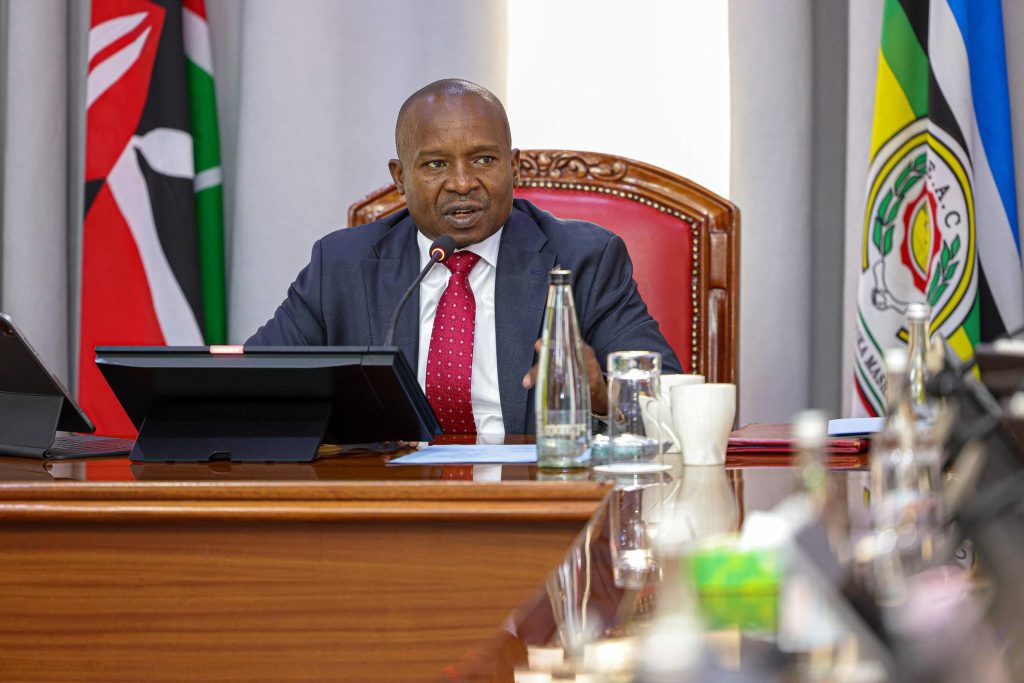
Deputy President Kithure Kindiki
Deputy President Kithure Kindiki has explained why the government is unable to reduce fuel prices beyond Sh10 per litre, even as pressure mounts from public transport operators demanding steeper cuts to ease the cost of living.
His remarks come amid an ongoing transport strike, despite the Energy and Petroleum Regulatory Authority (EPRA) revising fuel prices following a six-hour consultative meeting with stakeholders in the public transport sector.
Under the latest review covering the period from May 19 to June 14, 2026, diesel prices were reduced by Sh10.06 per litre, super petrol remained unchanged at Sh214.25, while kerosene increased by Sh38.60 per litre.
In Nairobi, diesel will now retail at Sh232.86 per litre, kerosene at Sh191.38, while petrol prices remain steady for the next 25 days.
EPRA said the adjustments followed concerns raised by transport operators over widening price gaps between diesel and kerosene, which authorities fear could encourage fuel adulteration.
“The Authority has recalculated the maximum retail pump prices that will be in force from May 19, 2026 to June 14, 2026 following a petition by public transport sector operators on the need to minimise the risk of motor fuel adulteration,” EPRA said in its statement.
Transport operators had pushed for a reduction of at least Sh40 per litre in diesel prices, arguing that recent increases had made operations unsustainable.
However, Kindiki defended the government’s position, saying global fuel prices have been driven up by the ongoing geopolitical tensions linked to the US, Israel and Iran conflict, which has disrupted freight, insurance and logistics costs.
“The sharp increase in fuel prices around the world has resulted from the US/Israel and Iran war which has led to escalation of fuel costs, freight, insurance and logistics,” Kindiki said in a statement on social media.
He added that the government has already implemented several mitigation measures, including a reduction of VAT on fuel from 16 percent and the use of Sh12 billion in subsidies over the past two months to cushion consumers.
“The Government is committed to cushioning the people of Kenya by mitigating the effects of this crisis,” he said, adding that additional subsidies will be considered depending on future market conditions.
Kindiki noted that the Sh10 reduction in diesel prices reflects ongoing engagement between the government and stakeholders aimed at stabilising the sector.
“Effective today, the price of diesel has been reduced by Sh10 per litre as a sign of Government commitment to continuous engagement with stakeholders to achieve a sustainable management of the global fuel price spike,” he said.
He further cautioned against continued protests and acts of violence, warning that criminal activities during demonstrations would not be tolerated.
“The use of violence, brazen armed robberies, arson and destruction of public and private property by criminal groups threatens our national interests and jeopardises the future of our nation,” he said.
Kindiki added that individuals who support criminal conduct under the guise of protest “do not deserve the privilege of leadership at any level.”