

Kindiki tells youth to demand better governance, avoid violence

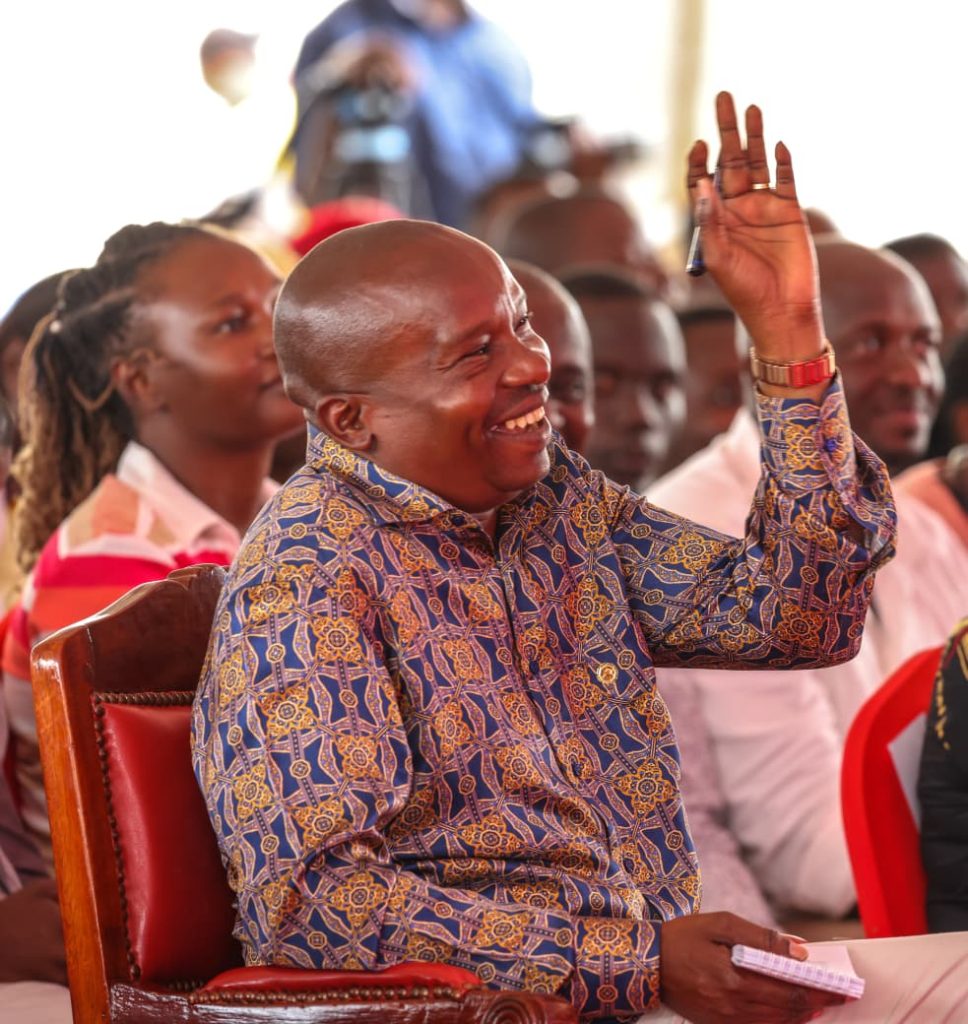
Deputy President Kithure Kindiki addresses youth at the launch of International Youth Week at Pwani University, Kilifi County, reaffirming the government's commitment to engaging young people as key drivers of Kenya's development
Deputy President Kithure Kindiki challenged the youth to continue asking hard questions on the country’s governance, assuring them of a proactive response to their concerns.
The DP urged them to avoid violence and exploitation by those seeking to undermine the country.
Prof. Kindiki was speaking when he engaged with youth leaders, artists, content creators and musicians from Embu County at home in Irunduni, Tharaka Nithi County, where he assured them that the Kenya Kwanza administration is deliberately finding solutions to the challenges facing the youth, including unemployment, which remains a stumbling block to the country’s progress.
He said that the government has come up with some programs to reduce the number of jobless young people, including Kazi Kwa Ground initiative, The Kazi Mtandaoni, Kazi Majuu among others, to tackle unemployment in Kenya.
The DP said in preparation for the job market, the administration has overhauled the education system from the bottom in order to align it with the present challenges and needs including reviewing the university funding model to make it more accommodating.
[02/09, 19:43] Cyrus Ombati Star: Uganda opposition leader Besigye boycotts treason trial
Ugandan opposition leader Kizza Besigye boycotted the start of his long-delayed treason trial on Monday, accusing the judge of bias, one of his lawyers said.
Besigye, 69, is a leading opponent of President Yoweri Museveni — in power for nearly 40 years — having unsuccessfully challenged him in four elections.
He was abducted in Kenya in November and returned to Uganda where he faces the death penalty for treason, charges widely condemned by international rights groups.
His trial was due to start on Monday, but he and his co-accused, Obeid Lutale, “refused to appear in court… because they believe they will not get a fair hearing,” one of his lawyers, Erias Lukwago, told AFP.
“The two have applied to the court to have Judge Emmanuel Baguma recuse himself from the case but he has refused and they have taken a decision not to appear before him until another judge is appointed,” he added.
The defendants say the judge is biased because he refused to grant them bail.
The legal limit for detention without trial in Uganda is six months, but the judge last month ruled that the clock only started in February when their charges were read, rather than the moment when Besigye was abducted and moved to a military prison.
Their lawyer earlier labelled the ruling “absurd”.
Rights groups have linked Besigye’s abduction and trial to January’s election when Museveni, 80, will seek another term in office.
In June, Besigye’s wife, UNAIDS executive director Winnie Byanyima, said he was being detained “for political reasons” under “inhumane” conditions.
Besigye’s case was initially tried as a court martial but later moved to a civilian court after the Supreme Court ruled it was unconstitutional to try civilians in military courts.
However, Museveni later signed a new law reinstating military trials for civilians under “exceptional circumstances”.