


The Kenya National Commission on Human Rights (KNCHR) has announced the start of a process to develop a national framework for compensation and reparations for victims of human rights violations in the country.
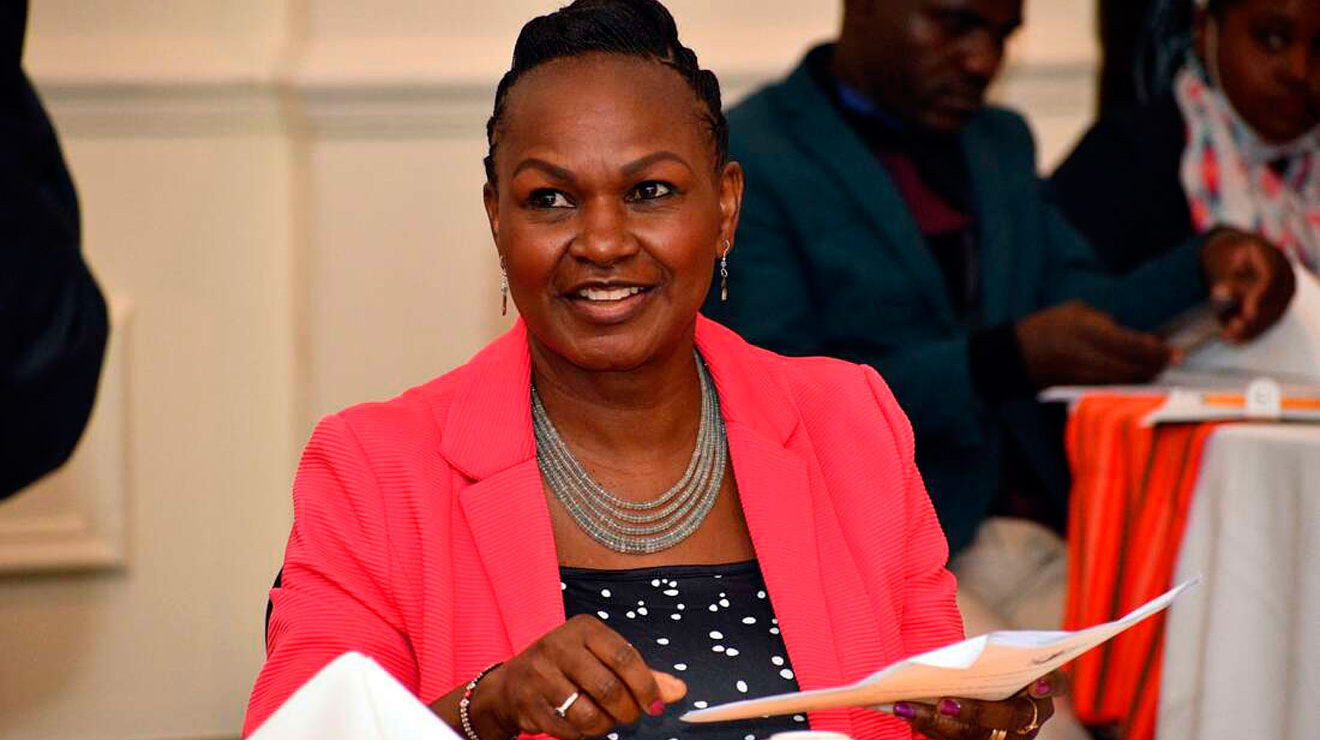
In a statement issued by chairperson Claris Ogangah, the commission said it has already initiated internal technical work, begun mapping areas most affected by protest-related and other human rights violations, and started engaging key stakeholders.
According to KNCHR, the process aims to establish a transparent, accountable and comprehensive reparations programme to support victims and survivors.
The initiative follows a landmark ruling by the High Court of Kenya delivered in Kerugoya on December 4, 2025, in Petition E010 of 2025 (consolidated). The judgment affirmed KNCHR’s constitutional mandate under Article 59 of the Constitution and the KNCHR Act, 2011 to design a reparations framework for victims of human rights violations.
The move also comes after a Presidential Proclamation and Gazette Notice issued on March 6, 2026, requiring the commission to submit a report containing the framework within 60 days, pursuant to Article 254(2) of the Constitution.
KNCHR acknowledged the pain, loss and anxiety experienced by victims and their families, noting that the delay in providing reparations has caused public concern.
However, the commission emphasized that financial compensation alone is not sufficient, noting that a comprehensive reparations programme should also include restitution, rehabilitation, satisfaction and guarantees of non-repetition.
Restitution focuses on restoring victims’ rights and status where possible, while rehabilitation includes medical and psychosocial support. Satisfaction measures may include official acknowledgement, apologies, memorialisation and truth-telling, while guarantees of non-repetition involve institutional reforms aimed at preventing future violations.
The commission said it has adopted a roadmap for developing both a Reparations Policy and a Reparations Bill, which will guide the long-term implementation of the programme.
As part of the process, KNCHR will establish technical committees bringing together commissioners and staff, relevant state institutions, independent oversight bodies, civil society organisations and representatives of victims and survivors.
Once completed, the commission will submit its report to the President in accordance with Article 254(2) of the Constitution and Section 53(3) of the KNCHR Act.
The commission said the process will be guided by national values and principles of governance, including public participation, and promised to keep the public informed through media briefings, public notices and community forums.
KNCHR also urged Parliament and the National Treasury to approve and release the necessary funding to facilitate the process.
At the same time, the commission called on victims of human rights violations, including those affected during protests and demonstrations, to submit their cases and supporting documentation for verification by April 3, 2026.
Victims are required to provide documents such as P3 forms, medical reports, police OB reports and post-mortem reports where applicable.
Reports can be submitted through SMS (22359), email (reparations@knchr.org), telephone (0203969000), mobile (0726610159), WhatsApp or the toll-free line 0800 720 627.

Email your news TIPS to Editor@Kahawatungu.com — this is our only official communication channel
